German History Uncovered: Museums That Tell the Full Story
 This photo was taken by Markus Winkler on Pexels.
Welcome to the heart of Germany, where every stone whispers a tale and every exhibit holds a piece of our complex past. As your local guide, I invite you to step beyond the postcards of castles and beer gardens to explore the profound narratives that have shaped this nation. From the opulent halls of Prussian kings to the haunting remnants of divided cities, our museums offer more than just artifacts; they provide a deep dive into the triumphs, tragedies, and resilience of the German people. Join us as we uncover the full story of German history, tracing the journey from imperial grandeur through decades of division, and finally to the inspiring renaissance of a unified country.
Imperial Grandeur: The Prussian Legacy in Berlin's Museums
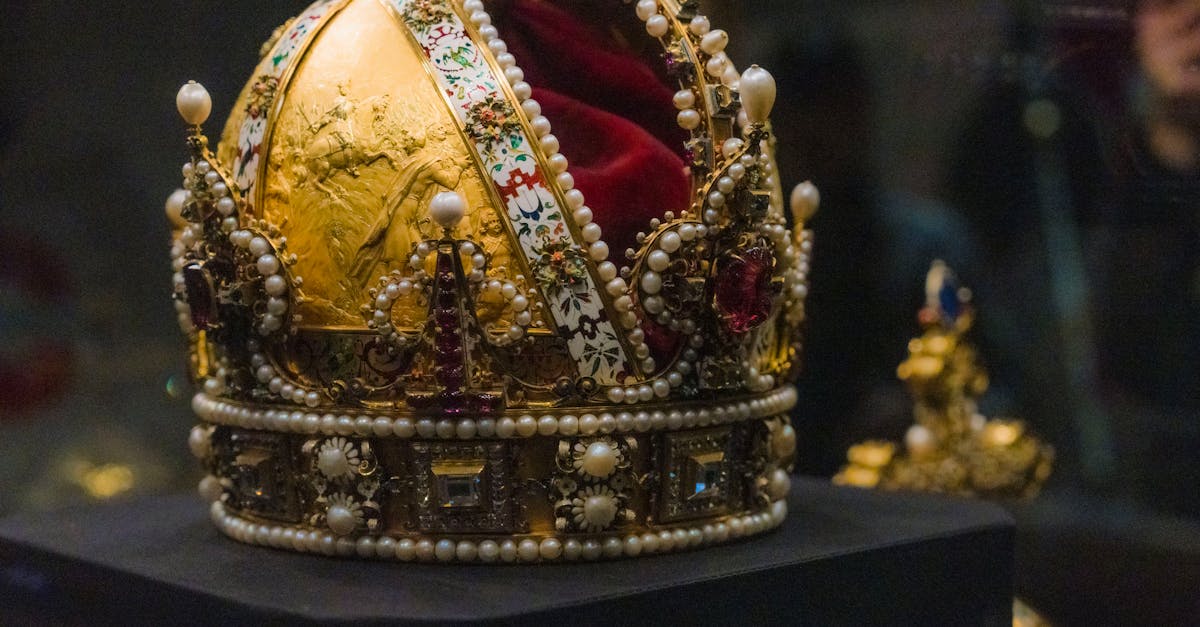
Stepping into the grand halls of Berlin's Museum Island, visitors are immediately transported to an era defined by Prussian ambition and imperial splendor. The Pergamon Museum stands as a monumental testament to this legacy, housing awe-inspiring architectural fragments like the Ishtar Gate and the Market Gate of Miletus, which once adorned the bustling streets of ancient empires that Prussia sought to emulate. Beyond these ancient wonders, the Neues Museum and the Altes Museum curate collections that reflect the Hohenzollern dynasty's relentless pursuit of power and culture, showcasing opulent artifacts from Egypt, Greece, and Rome that were amassed by kings who viewed themselves as the cultural arbiters of Europe.
Yet, this display of grandeur is not merely about aesthetic admiration; it serves as a complex narrative of how Prussian discipline and militarism shaped modern Germany's identity. As you wander through the galleries, the sheer scale of the exhibits mirrors the authoritarian structure of the old state, offering a tangible connection to the political machinery that unified the German states in the 19th century. By exploring these institutions, tourists gain more than just historical facts; they encounter the physical manifestation of a legacy that is both magnificent and controversial, providing a crucial lens through which to understand the full spectrum of German history from its imperial peak to its subsequent transformations.
 This photo was taken by Jing Zhan on Pexels.
Voices of Division: Experiencing the Wall and Beyond
At the Berlin Wall Memorial, visitors are confronted with the stark reality of a city and a nation torn apart by ideology, where the physical remnants of concrete and barbed wire serve as silent witnesses to decades of division. Walking along the preserved stretch of the wall, one can hear the echoes of desperate escapes and feel the weight of history in the ground beneath their feet, transforming abstract political concepts into a tangible human experience. The site does not merely display artifacts; it immerses you in the atmosphere of fear and hope that defined life on both sides of the Iron Curtain, offering a profound lesson on the fragility of freedom and the resilience of the human spirit.
Beyond the immediate shock of the border fortifications, the memorial complex invites deeper reflection on the long road to reunification and the enduring scars left on German society. Through audio stations featuring personal testimonies from former guards, escapees, and families separated by the wall, the narrative expands to include the diverse voices of those who lived through this era, ensuring that no single perspective dominates the story. This comprehensive approach allows tourists to understand not just the mechanics of the division, but also the emotional landscape of a people striving for unity, making the journey from division to reconciliation a central theme of the modern German identity.
 This photo was taken by cottonbro studio on Pexels.
From Ruins to Renaissance: Post-War Reconstruction Stories
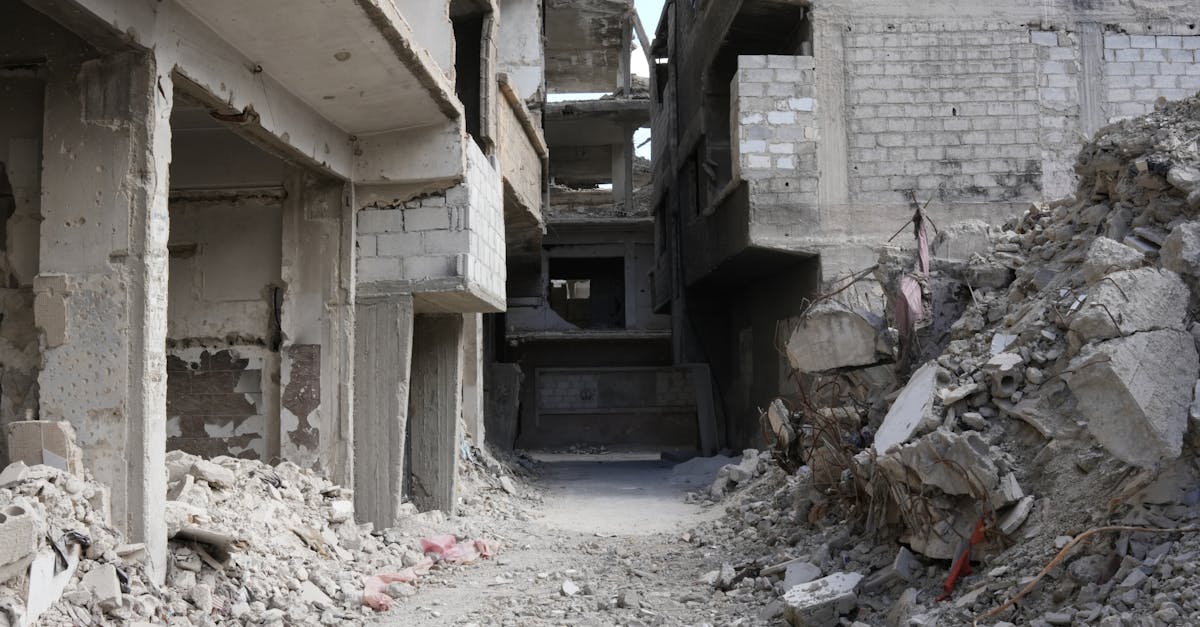
Walking through the historic centers of cities like Dresden, Berlin, and Cologne today, it is easy to forget that these vibrant hubs were once vast landscapes of rubble following World War II. The journey from devastation to renaissance is a testament to the resilience of the German people, who meticulously reconstructed their cultural heritage using a blend of traditional craftsmanship and modern engineering. Museums dedicated to this era, such as the Stadtmuseum in Munich or the DDR Museum in Berlin, vividly illustrate how citizens lived amidst the ruins, scavenging materials for shelter while dreaming of a future built on freedom and democracy.
These institutions do not merely display artifacts; they tell the emotional story of a nation rebuilding its identity piece by piece. Visitors can explore exhibits detailing the controversial yet necessary decisions made during reconstruction, such as whether to restore buildings exactly as they were or to incorporate contemporary architectural styles. By witnessing the transition from war-torn desolation to the bustling, culturally rich destinations we know today, travelers gain a profound appreciation for Germany's ability to confront its past honestly and emerge stronger, turning scars into symbols of hope and renewal.
 This photo was taken by Baraa Obied on Pexels.