German Language Basics Every Tourist Should Know
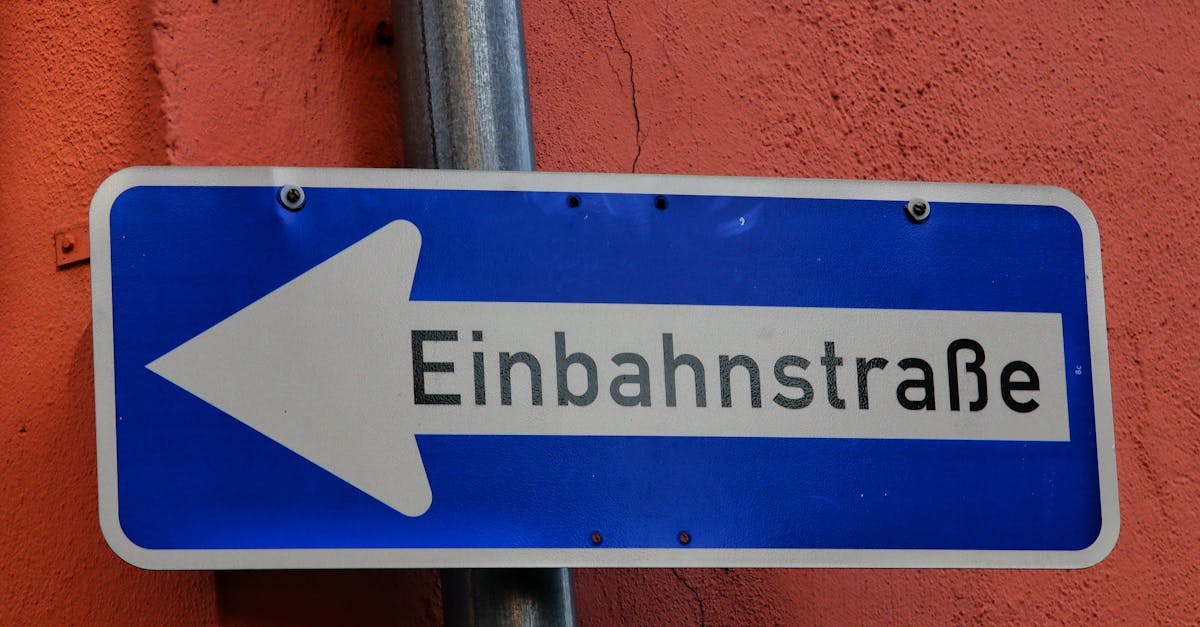 This photo was taken by Müca 🇩🇪 on Pexels.
Welcome to the heart of Europe! While Germany is renowned for its stunning castles, rich history, and vibrant cities, taking a few moments to learn the local language can truly transform your travel experience. Even if you only know a handful of phrases, making an effort to speak German shows respect and often opens doors to warmer interactions with locals. In this guide, we will equip you with the essential tools to navigate your journey smoothly, from mastering polite greetings and daily transactions to knowing exactly what to say in emergencies or when asking for directions. Get ready to explore Germany with confidence and a little bit of Fremdsprachen flair!
Essential Greetings and Politeness
In Germany, mastering the art of polite greetings is your golden ticket to warmer interactions and smoother experiences. Always begin any conversation with a formal Guten Tag (Good day) or Guten Morgen (Good morning), as Germans generally prefer formality with strangers until invited otherwise. Remember that using "Sie" instead of "du" is crucial when addressing shopkeepers, taxi drivers, or hotel staff; switching to the informal "du" too early can be seen as disrespectful. A simple Guten Abend works well after 6 PM, and ending your interaction with a courteous Auf Wiedersehen (Goodbye) leaves a lasting positive impression on locals.
Beyond greetings, the magic word Bitte serves a dual purpose meaning both "please" and "you're welcome," while Danke is the standard way to express gratitude. It is considered extremely rude to enter a store without saying Guten Tag to the clerk, and similarly, you should always say Tschüss (a casual goodbye) or Auf Wiedersehen before leaving a room or closing a transaction. If you make a mistake or need to interrupt someone, a sincere Entschuldigung (excuse me/sorry) goes a long way in bridging cultural gaps. By adhering to these etiquette rules, you show respect for German culture and will likely find yourself receiving more helpful and friendly assistance during your travels.
 This photo was taken by Mikhail Nilov on Pexels.
Navigating Daily Transactions
When stepping into a German bakery, supermarket, or boutique, mastering the polite phrase "Bitte schön" (you're welcome/please) is your golden ticket to smooth interactions. Unlike in many other countries where tipping is automatic, here you must explicitly state your tip amount when paying with cash at restaurants; simply telling the server the total including the gratuity or handing over extra coins while saying "Stimmt so" (keep the change) is the standard custom. Furthermore, always remember that many smaller shops and markets operate on a cash-only basis, so carrying Euro bills in various denominations is essential to avoid awkward situations where a card terminal might not be available.
For digital transactions, familiarity with contactless payment methods like Girocard (Germany's version of debit cards) and increasingly popular apps such as PayPal can make shopping effortless, though it is wise to keep some cash on hand for older establishments or small kiosks. If you find yourself needing assistance, pointing politely while asking "Wo ist die Kasse?" (Where is the cashier?) or "Kann ich mit Karte zahlen?" (Can I pay by card?) will usually suffice to bridge any language gaps. By observing these local nuances and approaching transactions with patience and a friendly demeanor, you will navigate daily commerce with confidence and respect for German customs.
 This photo was taken by Md Sihabul Islam on Pexels.
Key Phrases for Emergencies and Directions
Navigating an emergency in Germany requires knowing a few critical phrases that can save precious time and ensure your safety. If you need immediate assistance, remember to call 112 for both medical emergencies and fire services; simply shouting "Hilfe!" (Help!) or "Rufen Sie einen Krankenwagen!" (Call an ambulance!) will alert locals instantly. For urgent police matters, dial 110, and if you feel threatened, saying "Ich fühle mich bedroht" (I feel threatened) is vital. It is also wise to memorize "Wo ist die nächste Apotheke?" (Where is the nearest pharmacy?) and "Ich brauche einen Arzt" (I need a doctor), as German pharmacies are well-stocked and doctors speak English in major cities, but having these terms ready removes any language barrier during stressful moments.
Beyond emergencies, mastering basic directional queries will make getting around Germany's efficient public transport system much smoother. When lost, start with the universal question "Entschuldigung, wo ist...?" (Excuse me, where is...?), followed by your destination like the train station ("der Bahnhof") or city center ("die Innenstadt"). To navigate the U-Bahn or S-Bahn, ask "Wie komme ich nach [City Name]?" (How do I get to [City Name]?) and look for signs indicating "Ausgang" (Exit) or "Umsteigen" (Transfer). Additionally, knowing "Links" (Left), "Rechts" (Right), and "Geradeaus" (Straight ahead) allows you to follow instructions from helpful locals who may not speak English fluently, ensuring you reach your sights without confusion.
 This photo was taken by Jakub Zerdzicki on Pexels.