German Wine Regions: A Sommelier's Tour of Mosel, Rheingau, and Pfalz
 This photo was taken by Parth Patel on Pexels.
Welcome to the heart of German viticulture, where ancient traditions meet modern excellence. As your guide through the country's most celebrated landscapes, I invite you to embark on a sensory journey across three distinct regions that define the art of German winemaking. From the dramatic, slate-rich terraces of the Mosel to the sophisticated riverbanks of the Rheingau and the warm, sun-drenched expanses of the Pfalz, each destination offers a unique expression of Riesling and local terroir. Whether you are a seasoned connoisseur or simply curious about the world of wine, this tour promises an unforgettable exploration of flavors, history, and breathtaking scenery along Germany's greatest rivers.
Sipping Riesling Along the Mosel's Steep Slopes
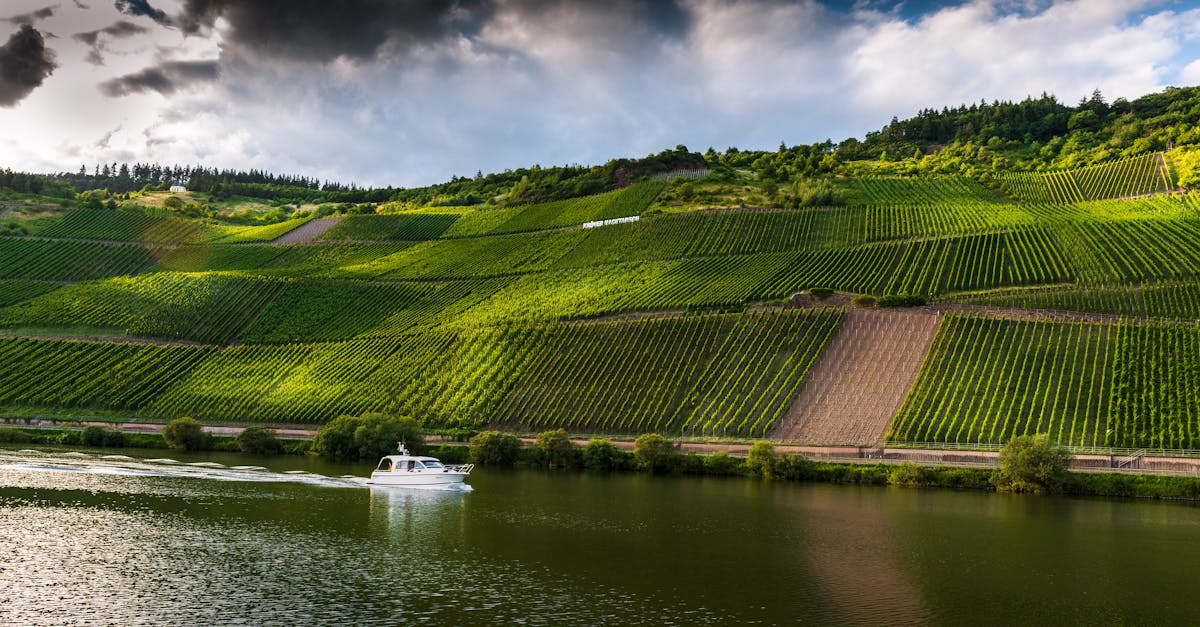
As you wander the terraced vineyards of the Mosel, where vines cling precariously to steep slate slopes that can reach angles of 60 degrees, the air is thick with the mineral essence of Riesling. This region, Germany's oldest and most picturesque wine area, offers a sensory experience unlike any other; here, the sun reflects off the dark slate soils, ripening grapes into wines of electric acidity and vibrant fruit notes. Whether you are standing near the winding river in Bernkastel-Kues or tracing the path through the village of Cochem, every glass tells a story of generations of labor-intensive viticulture, resulting in a crisp, aromatic profile that perfectly captures the cool climate and unique terroir of this UNESCO-recognized landscape.
The true magic of the Mosel lies not just in the wine itself, but in the communal atmosphere surrounding its tasting, often found in small, family-run Weinguts nestled among ancient half-timbered houses. Imagine sipping a delicate Kabinett or a luscious Spätlese at a rustic outdoor table as the sun dips below the horizon, casting golden light on the river below while locals share tales of harvest traditions that date back centuries. It is an intimate journey where the distinction between visitor and resident blurs, inviting you to slow down and appreciate the harmony between human effort and nature's rugged beauty that defines this world-renowned wine route.
 This photo was taken by JÉSHOOTS on Pexels.
Elegant Elegance: The Rheingau's Riverine Vineyards
Nestled along the winding bends of the Rhine, the Rheingau offers a landscape where elegance is not merely an aesthetic choice but a geological destiny. Here, south-facing slopes bathed in golden sunlight create a microclimate ideal for cultivating world-class Riesling, resulting in wines of unparalleled purity and mineral complexity. As you traverse the region's rolling vineyards, from the historic town of Rüdesheim to the prestigious estates near Wiesbaden, you are walking through centuries of viticultural tradition where steep slate soils impart a distinct stony character to every glass.
The atmosphere in the Rheingau perfectly mirrors the finesse found in its cellar; it is a destination defined by refined hospitality and intimate tastings rather than grandiose displays. Visitors can explore charming half-timbered villages dotted with traditional wine taverns, known as "Weinstuben," where local vintners proudly share their stories alongside crisp, dry whites that dance on the palate. Whether you are cycling along the scenic Wine Route or enjoying a sunset picnic overlooking the river, the Rheingau invites you to savor a moment of serene sophistication that truly defines the art of German winemaking.
 This photo was taken by Indi Van Kuijk on Pexels.
Sun-Drenched Diversity in the Pfalz Region
While the Mosel and Rheingau often capture the global spotlight with their dramatic river valleys, the Pfalz region offers a sun-drenched alternative that feels distinctly Mediterranean. Nestled in the shadow of the Haardt mountains, this area enjoys Germany's warmest climate, creating an ideal microclimate for growing robust red varieties like Spätburgunder (Pinot Noir) alongside its famous Rieslings. The landscape here is a patchwork of rolling vineyards, ancient oak forests, and picturesque villages where stone houses blend seamlessly into the golden hills, inviting visitors to linger over long lunches at rustic "Straußwirtschaften" or wine taverns.
Exploring the Pfalz is akin to embarking on a culinary journey where the soil's volcanic origins impart unique mineral notes to every glass. Unlike the steep, labor-intensive slopes of other regions, the Pfalz features gentle, accessible terrain perfect for cycling tours through endless rows of vines, allowing tourists to experience the harvest season up close. Whether you are sipping a crisp Silvaner in the historic town of Deidesheim or enjoying a hearty meal paired with local wines in the bustling city of Neustadt an der Weinstraße, the Pfalz delivers a relaxed, vibrant atmosphere that perfectly encapsulates the joy of German viticulture.
 This photo was taken by Pixabay on Pexels.