German Wine Regions: A Sommelier's Tour of Mosel and Rheingau
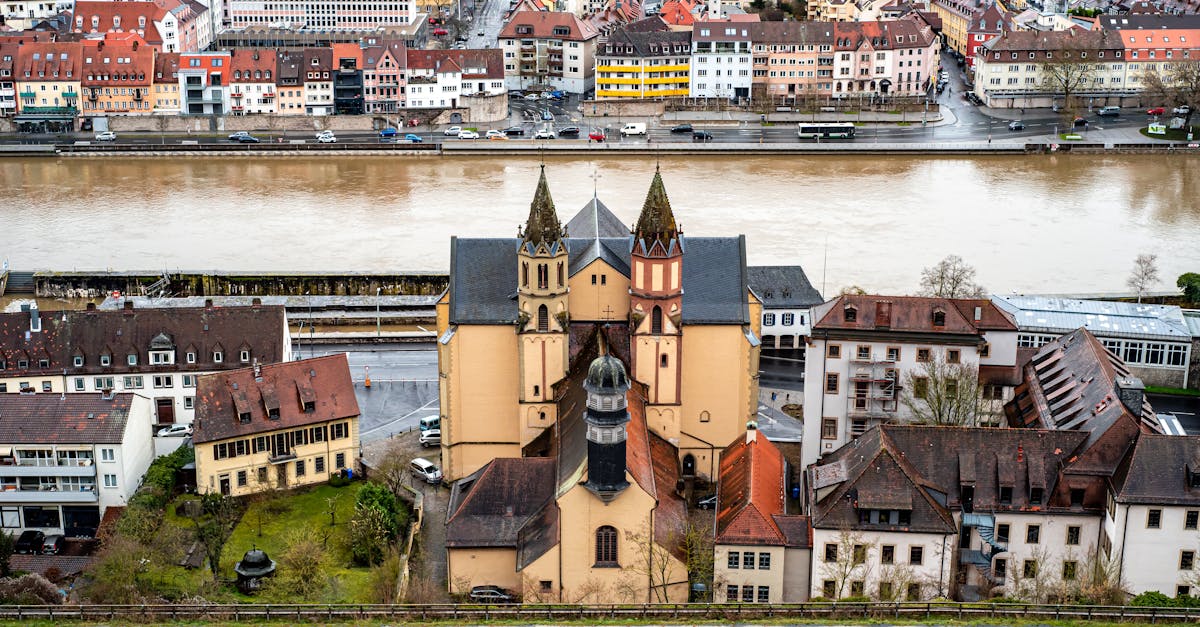 This photo was taken by Emre Ozyemisci on Pexels.
Welcome to the heart of German viticulture, where ancient traditions meet a passion for perfection. As your guide through the land of beer and castles, I invite you to leave the steins behind and embark on a sophisticated journey into the world of Riesling. In this feature, we will traverse the dramatic, slate-studded vineyards of the Mosel, where grapes cling to slopes so steep they seem defying gravity, before crossing over to the sun-drenched, river-blessed elegance of the Rheingau. Join me as we explore how these two iconic regions define the spectrum of German wine, from the Old World charm of their historic terroirs to the modern precision that has put them on the global map.
Sipping Riesling Along the Mosel's Steep Slopes
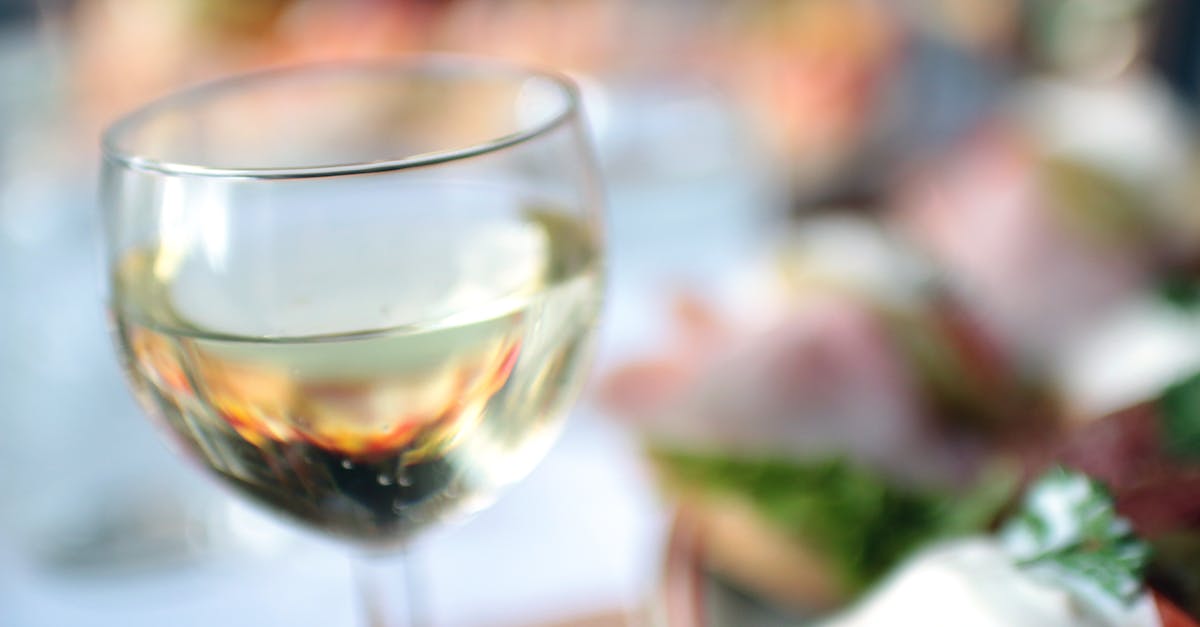
Winding through the deep, verdant valleys of western Germany, the Mosel River carves a dramatic path past vineyards that cling precariously to slate-studded slopes often steeper than 60 degrees. Here, the air is crisp and carries the distinct mineral scent of ancient rocks warmed by the sun, creating a unique terroir that gives rise to Rieslings with their signature zesty acidity and delicate floral notes. As you hike the narrow paths between rows of vines or take a leisurely boat ride along the river, locals invite you to pause at a traditional Weinstube or wine press, where a glass of young, off-dry Riesling tastes like liquid sunshine and rain, perfectly complementing the rustic charm of half-timbered villages perched high above the water.
The experience extends far beyond mere tasting; it is an immersion into centuries of viticultural tradition where every bottle tells a story of the region's resilience and passion. In the Mosel, winemaking is a labor of love, often performed by hand on these treacherous inclines, resulting in wines that are as elegant and complex as the landscape itself. Whether you are exploring the historic town of Bernkastel-Kues or wandering the quiet lanes of Piesport, sipping a crisp Riesling against the backdrop of the setting sun offers a moment of pure serenity, inviting travelers to slow down and appreciate the harmonious blend of nature, history, and craftsmanship that defines this iconic German wine region.
 This photo was taken by JÉSHOOTS on Pexels.
The Elegant Terroirs of the Rheingau Region
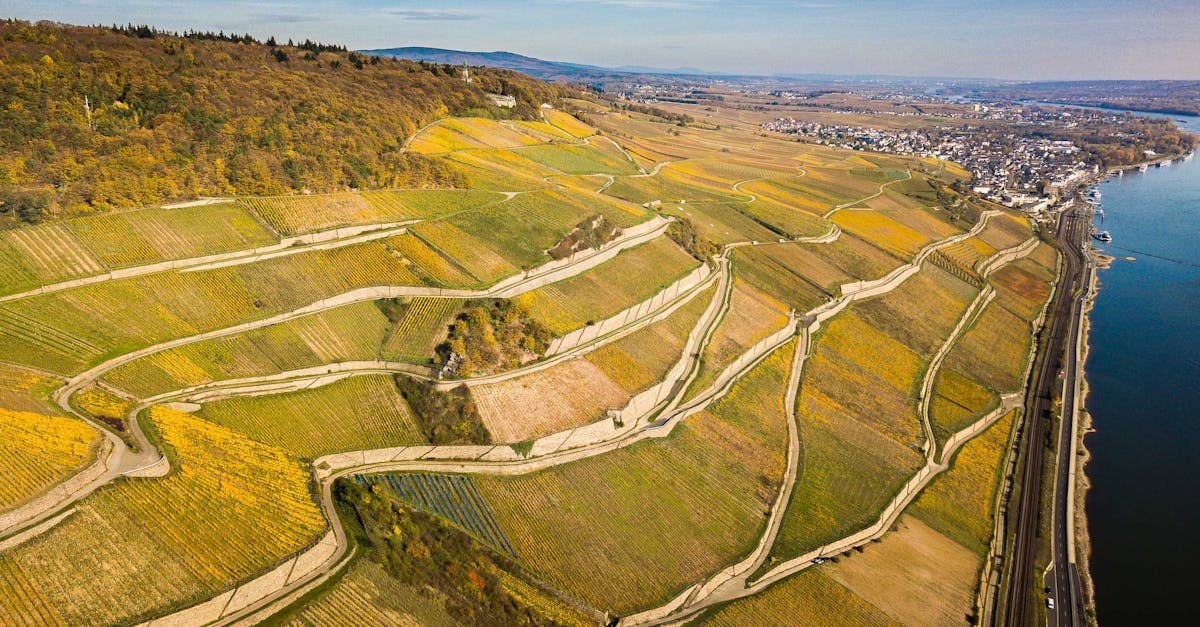
Just a short journey east of Frankfurt lies the Rheingau, a region where the Rhine River executes a unique westward bend to create a perfect microclimate for viticulture. Here, the terroir is defined by steep, south-facing vineyards that bask in maximum sunlight, allowing Riesling grapes to ripen fully while retaining their signature acidity. Unlike the slate-heavy soils of the Mosel, the Rheingau's earth is a complex tapestry of loess, sandstone, and clay, imparting wines with a distinctively fuller body and a luxurious, almost opulent texture. This geological richness, combined with centuries of tradition, has produced some of Germany's most prestigious dry and sweet white wines that are as elegant as they are powerful.
The atmosphere in the Rheingau reflects this refined elegance, characterized by historic castles perched atop hillsides and charming villages like Geisenheim and Rüdesheim that have long been favored by connoisseurs. As you wander through these vineyards, you will encounter the region's famous "Kloster" monasteries, which historically laid the groundwork for its world-class winemaking standards. The resulting wines often display notes of ripe peach, citrus zest, and a subtle mineral complexity that distinguishes them from their northern counterparts. For the discerning traveler, a tour of the Rheingau offers not just a tasting of exceptional Rieslings, but an immersive experience into a landscape where nature and human craftsmanship have harmoniously shaped one of Europe's most sophisticated wine cultures.
 This photo was taken by Holger J. Bub on Pexels.
A Comparative Tasting: Old World Charm Meets Modern Precision
Stepping into the Mosel region is akin to tasting history itself, where centuries-old slate soils impart a distinct mineral sharpness to the Rieslings that dance on the tongue with electric acidity and delicate floral notes. Here, the "Old World charm" is palpable in every glass, reflecting a viticultural tradition deeply rooted in steep, terraced vineyards that have been tended by hand for generations. The wines often carry an ethereal quality, balancing high alcohol levels with a lightness that evokes the misty riverside mornings, offering a sensory experience that feels both timeless and intimately connected to the rugged landscape.
In stark yet harmonious contrast, a journey through the Rheingau reveals the epitome of "Modern Precision," where vast, sun-drenched slopes facing south create an ideal microclimate for riper, fuller-bodied expressions of Riesling and elegant Spätburgunder. This region exemplifies how German winemaking has embraced contemporary techniques without losing its soul, resulting in wines of remarkable structure, depth, and consistency. While the Mosel whispers ancient secrets, the Rheingau speaks with confident clarity, showcasing a seamless blend of traditional heritage and innovative winemaking that defines the very best of Germany's current wine scene.
 This photo was taken by txomcs on Pexels.