German Wine Tasting: Exploring Mosel and Rheingau Regions
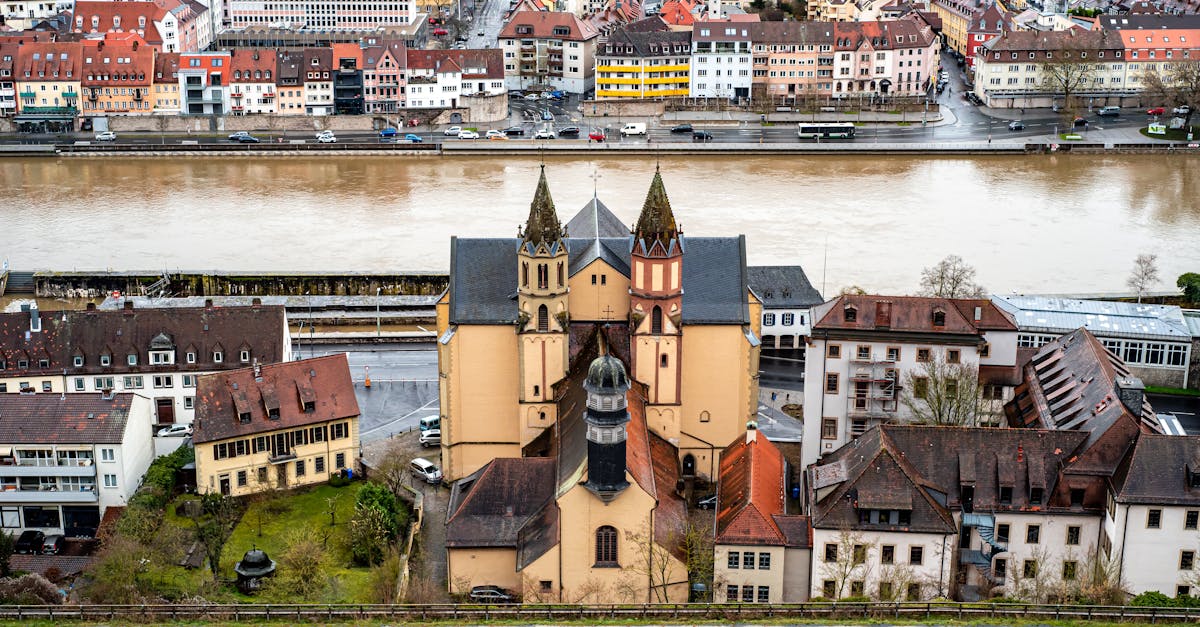 This photo was taken by Emre Ozyemisci on Pexels.
Welcome to the heart of Germany's vinous heritage, where ancient traditions meet modern elegance. As we embark on this liquid journey, we will traverse two of the country's most celebrated wine regions: the dramatic, slate-studded slopes of the Mosel and the sun-drenched prestige of the Rheingau. From the terraced vineyards that cling precariously to the riverbanks to the elegant estates lining the Rhine, each step promises a deeper understanding of why German Riesling has captivated palates worldwide for centuries. Whether you are a seasoned oenophile or simply curious about the flavors of the Fatherland, prepare your taste buds for an unforgettable adventure through history, landscape, and gastronomy.
Discovering the Steep Slopes of the Mosel Valley
Nestled along the winding waters of Germany's longest river, the Mosel Valley presents a breathtaking landscape where vineyards cling precariously to slate-rich slopes that can reach gradients of up to 70 degrees. These dramatic inclines are not merely a scenic marvel but a testament to centuries of viticultural tradition, where generations of winemakers have carefully cultivated Riesling grapes in some of the steepest terrain in Europe. Navigating these narrow paths often requires a sense of adventure, whether you are hiking through terraced rows or taking a leisurely boat ride on the river below to admire the iconic half-timbered villages perched high above the water, such as the picturesque town of Bernkastel-Kues.
The unique microclimate created by the steep south-facing slopes allows for optimal sun exposure, ripening the grapes to produce wines with their signature intense minerality and vibrant acidity. As you explore this region, you will find that the local wine tasting experience is deeply intertwined with the physical beauty of the land; many family-owned wineries offer cellar tours where hosts explain how the slate soil imparts a distinct flinty character to the wine. From the crisp, dry styles found in the upper Mosel to the luscious sweet dessert wines harvested from late-ripening grapes in the lower sections, every sip tells the story of this rugged and romantic valley, making it an essential stop for any serious oenophile visiting Germany.
 This photo was taken by Ahmad Malulein on Pexels.
A Journey Through the Prestige of Rheingau
As you venture into the Rheingau, a narrow strip of land stretching along the right bank of the Rhine River between Wiesbaden and Rüdesheim, you enter a landscape defined by centuries of viticultural excellence. Here, the famous steep slate slopes facing south create a perfect microclimate for Riesling, allowing grapes to ripen fully under the golden sun while retaining their signature acidity. The region is dotted with historic wine estates and charming half-timbered villages where the air is perpetually infused with the scent of blooming orchards and fermenting must, inviting visitors to stroll through vineyards that have been cultivated since the Middle Ages.
A journey through the prestige of the Rheingau is not merely about tasting world-class wines but experiencing a deep-rooted culture of tradition and innovation. In renowned towns like Geisenheim and Johannisberg, home to the legendary Schloss Johannisberg, guests can participate in guided tours that delve into the history of late harvest wines and the pioneering work of Prince Clemens Wenzeslaus. Whether you are sipping a crisp, mineral-driven Riesling in a traditional Weinstube or enjoying a sunset cruise on the river with a glass of Spätlese in hand, the Rheingau offers an elegant and sophisticated sensory experience that perfectly complements the rugged charm of the nearby Mosel valley.
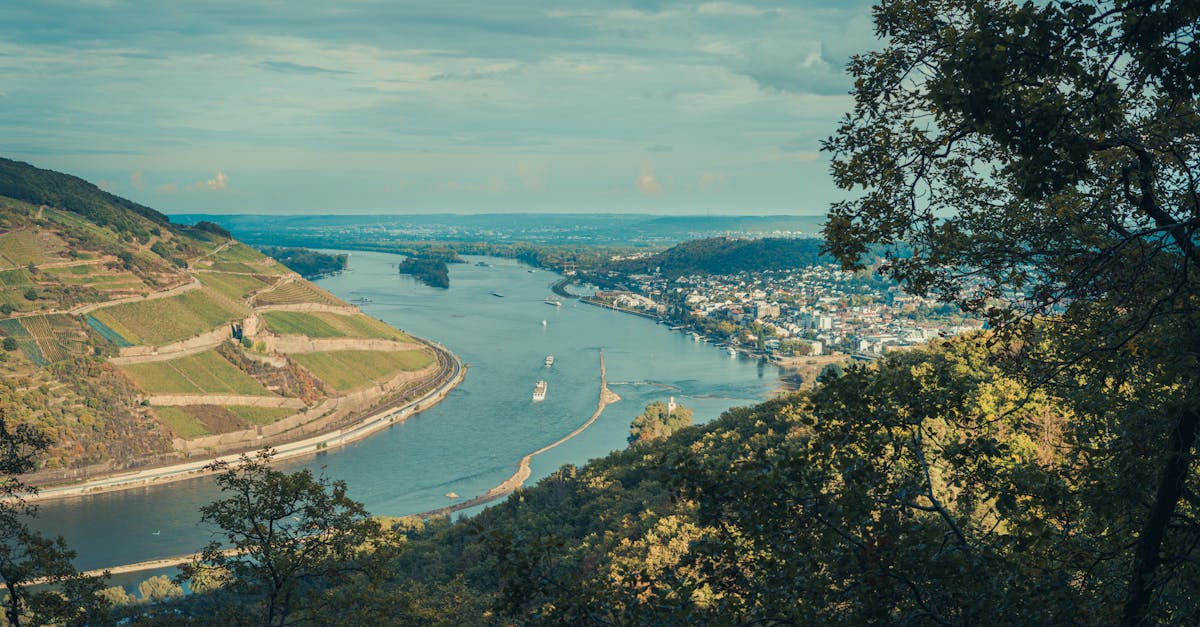 This photo was taken by Volker Thimm on Pexels.
Pairing Local Delicacies with World-Class Rieslings
Immerse yourself in the culinary heart of Germany by discovering how the crisp, mineral-driven Rieslings of the Mosel and Rheingau regions perfectly complement local gastronomy. In the Mosel, where steep slate slopes impart a distinct flinty character to the wine, pair an off-dry Riesling with the region's famous freshwater fish, such as trout or pike-perch, often served simply with parsley sauce to let the natural flavors shine. As you venture into the Rheingau, known for its fuller-bodied wines that balance acidity with stone fruit notes, indulge in hearty dishes like apple strudel or creamy cheese spreads from nearby Taunus mountains, creating a harmonious dance between the wine's elegance and the richness of traditional German comfort food.
The art of pairing extends beyond main courses to the delightful aperitif culture found in both regions, where a glass of chilled Riesling serves as the perfect prelude to a meal. Start your tasting journey with regional delicacies like Spätzle topped with fried onions or savory Flammkuchen, which cut through the wine's sweetness and enhance its refreshing zesty finish. Whether you are sipping a Kabinett alongside fresh pretzels dipped in mustard or enjoying a Spätlese with rich pork knuckle, these combinations offer an authentic taste of German hospitality, ensuring that every sip tells a story of the land, the climate, and the centuries-old winemaking traditions that define this extraordinary wine-growing area.
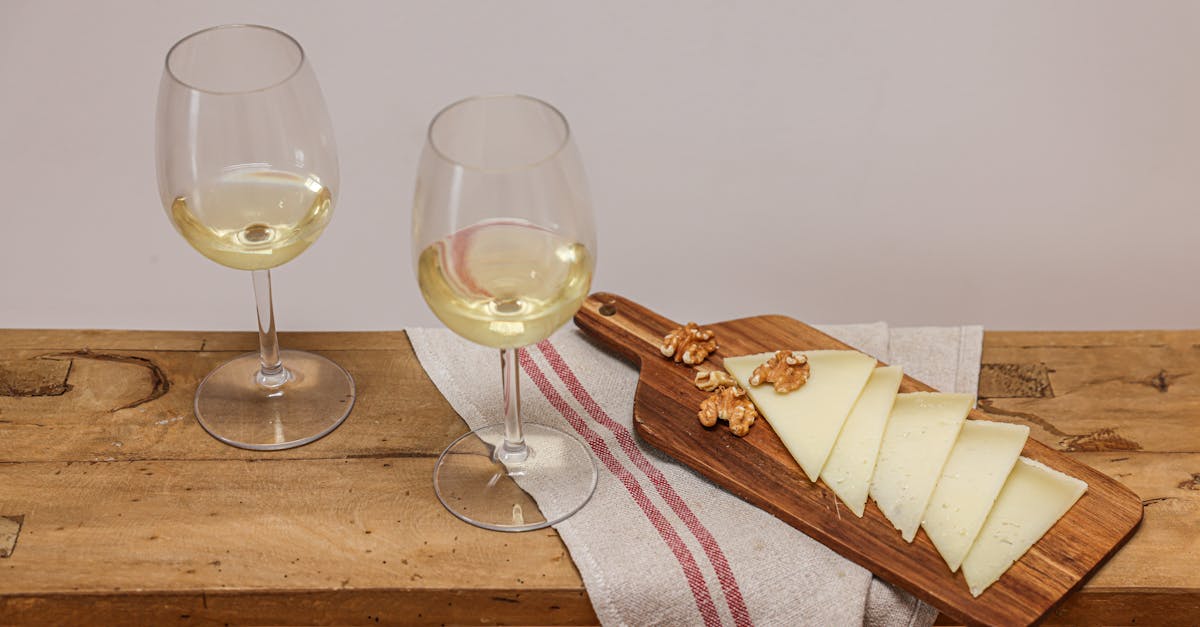 This photo was taken by Cup of Couple on Pexels.