Germany on a Budget: How to Travel Cheap Without Sacrificing Quality
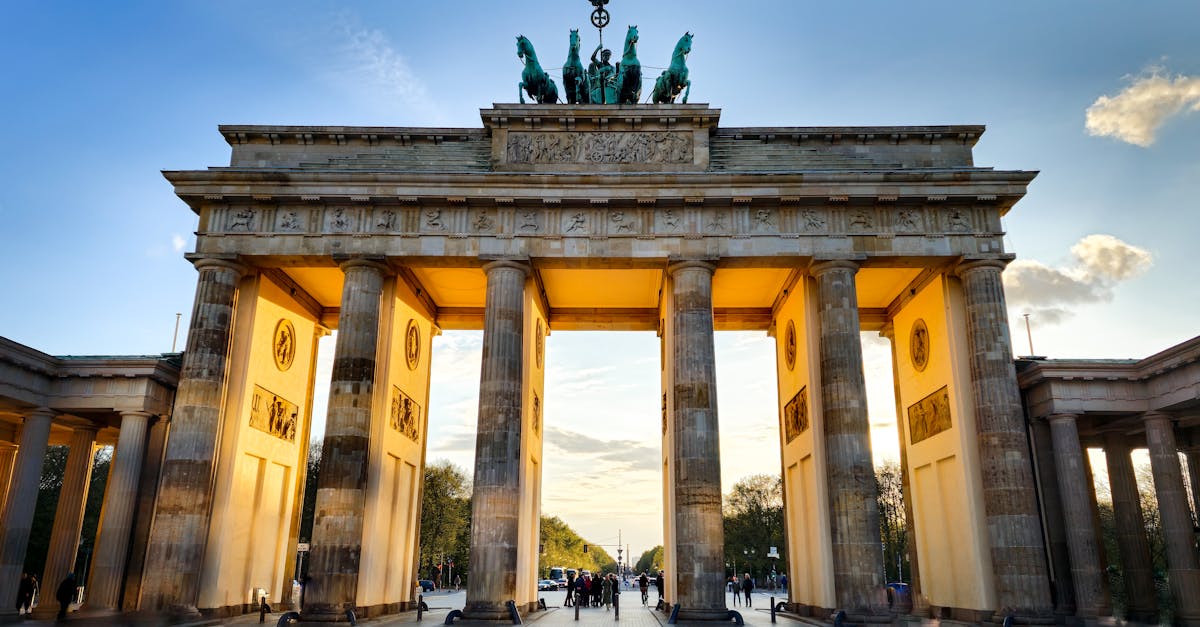 This photo was taken by Emre Ozyemisci on Pexels.
Welcome to the heart of Europe, where rich history, stunning landscapes, and vibrant culture meet incredible value. Many travelers assume that exploring Germany requires a hefty budget, but the truth is far more inviting: you can experience the very best of this fascinating country without breaking the bank. From navigating Berlin's efficient U-Bahn with ease to savoring authentic sausages at bustling street markets, Germany offers a wealth of affordable adventures for the savvy explorer.
In this guide, we'll show you exactly how to stretch your Euro further while maintaining high standards of comfort and enjoyment. Whether you are looking to master our public transport system, discover hidden culinary gems frequented by locals, or immerse yourself in world-class art and history for free, you will find practical tips and insider secrets here. Get ready to uncover the magic of Germany on a budget, proving that great travel doesn't have to come with a heavy price tag.
Smart Savings: Mastering Germany's Public Transport and City Cards
Germany's extensive public transport network is a traveler's best ally for keeping costs down without compromising on comfort or convenience. Whether you are navigating the sleek U-Bahn in Berlin, the trams in Munich, or the regional trains connecting charming villages, the system is efficient, clean, and covers almost every corner of the country. To truly master these savings, savvy travelers should look beyond single tickets and embrace the Tageskarte (day ticket) or the versatile Länder-Tickets, which offer unlimited travel within specific states for one low price. For those planning multiple trips in a single day, apps like DB Navigator make it easy to compare fares instantly, while local city cards often bundle unlimited transit with discounted entry to major museums and attractions, turning your commute into a cost-effective sightseeing tour.
City cards are perhaps the most powerful tool in your budgeting arsenal, acting as all-in-one passes that transform how you experience urban Germany. In cities like Hamburg, Frankfurt, or Cologne, purchasing a tourist card typically grants you free access to public transportation for 24 to 72 hours alongside significant discounts—sometimes up to 50%—on popular landmarks such as the Reichstag dome, the Deutsches Museum, or river cruises. These passes eliminate the stress of calculating individual ticket prices and ensure you never feel pressured to skip an attraction due to entry fees. By strategically selecting a city card that matches your itinerary length, you not only maximize your daily spending power but also unlock a more authentic experience by encouraging spontaneous exploration across the city's vibrant districts.
 This photo was taken by Mike Bird on Pexels.
Delicious Dining on a Dime: Where to Eat Like a Local for Less
One of the greatest joys of traveling in Germany is discovering that you don't need a fortune to enjoy world-class cuisine, especially if you follow the local custom of visiting Brotzeit stands or Imbiss stalls. Instead of sitting down for expensive multi-course meals at tourist-heavy restaurants, head to bustling street markets like Berlin's Markthalle Neun or Munich's Viktualienmarkt, where you can savor authentic sausages, fresh pretzels, and regional cheeses for just a few euros. Many locals also rely on the "Tischlerei" or daily lunch specials offered by traditional Gasthäuser, which often include a hearty main course and drink for under 10 euros, allowing you to experience genuine German hospitality and flavor without breaking your travel budget.
To truly eat like a local while keeping costs low, embrace the culture of self-service bakeries and takeout windows known as Fensterläden, where you can grab freshly baked bread rolls with high-quality fillings for a fraction of the price of a sit-down meal. Don't overlook the convenience stores and supermarkets, particularly Aldi, Lidl, and Rewe, which offer incredible pre-made salads, sandwiches, and even ready-to-eat hot dishes that rival restaurant quality; these are perfect for a picnic along the Rhine or by a canal in Hamburg. By prioritizing these affordable yet delicious options, you not only stretch your travel funds but also immerse yourself in the everyday culinary rhythm that defines the German lifestyle.
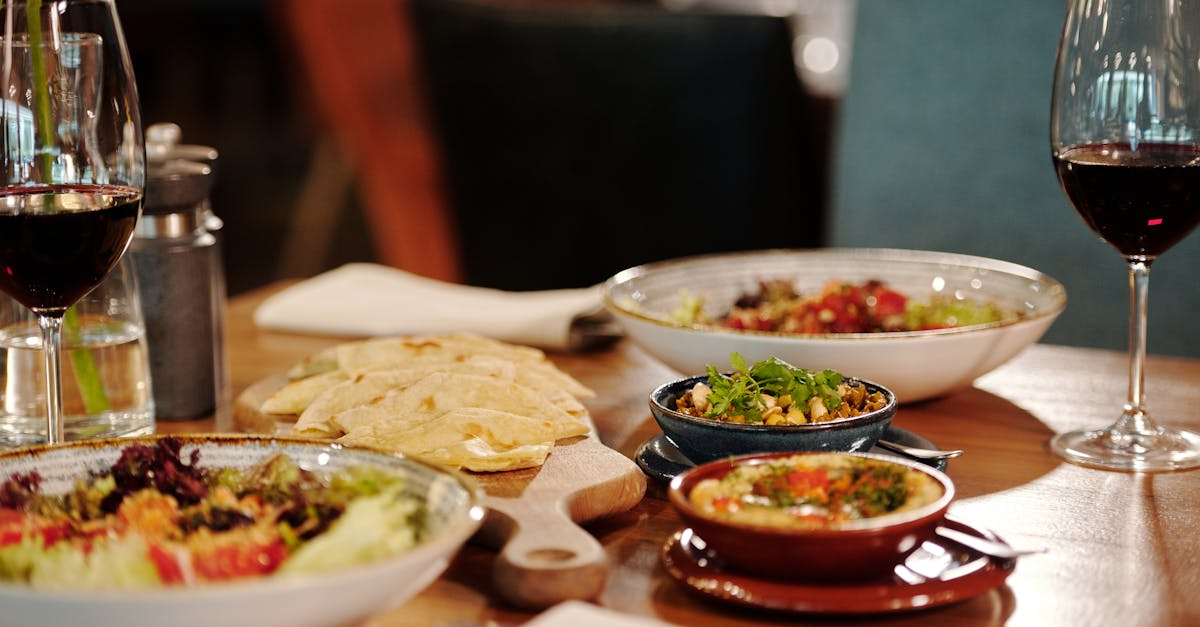 This photo was taken by Jep Gambardella on Pexels.
Free Culture: Exploring World-Class Museums and Historic Sites Without the Price Tag
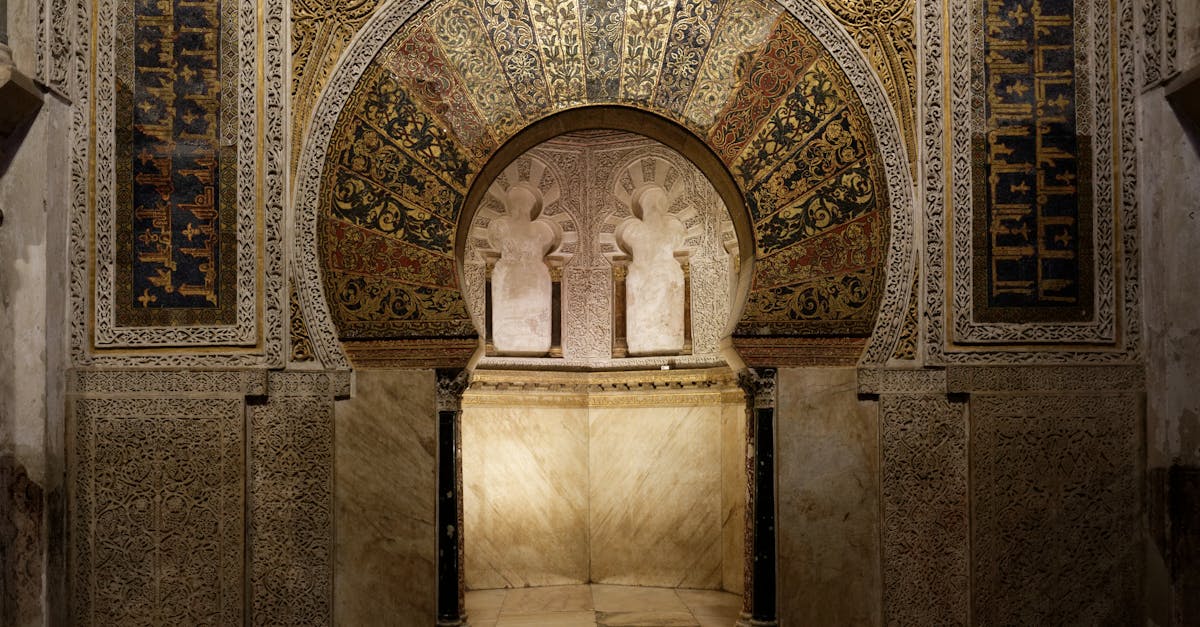 This photo was taken by Gu Bra on Pexels.