Germany's Baltic Coast: Beaches, Cliffs, and Seaside Resorts
 This photo was taken by Maximilian Orlowsky on Pexels.
Welcome to the northernmost frontier of Germany, where the rugged charm of the Baltic Sea meets endless stretches of golden sand and dramatic landscapes. Often overlooked in favor of the country's southern alpine regions, the German Baltic Coast offers a serene escape defined by its unique geological wonders, from the iconic white chalk cliffs to quaint fishing villages that have preserved their traditional soul for centuries. Whether you are seeking the vibrant atmosphere of historic seaside resorts or the quiet solitude of hidden coves, this coastal paradise promises an unforgettable journey. Join me as we explore the majestic chalk cliffs of Rügen, discover sunny beaches nestled among traditional fishing hamlets, and stroll through charming resorts ranging from the elegant elegance of Binz to the sophisticated spa history of Heiligendamm.
The Majestic Chalk Cliffs of Rügen
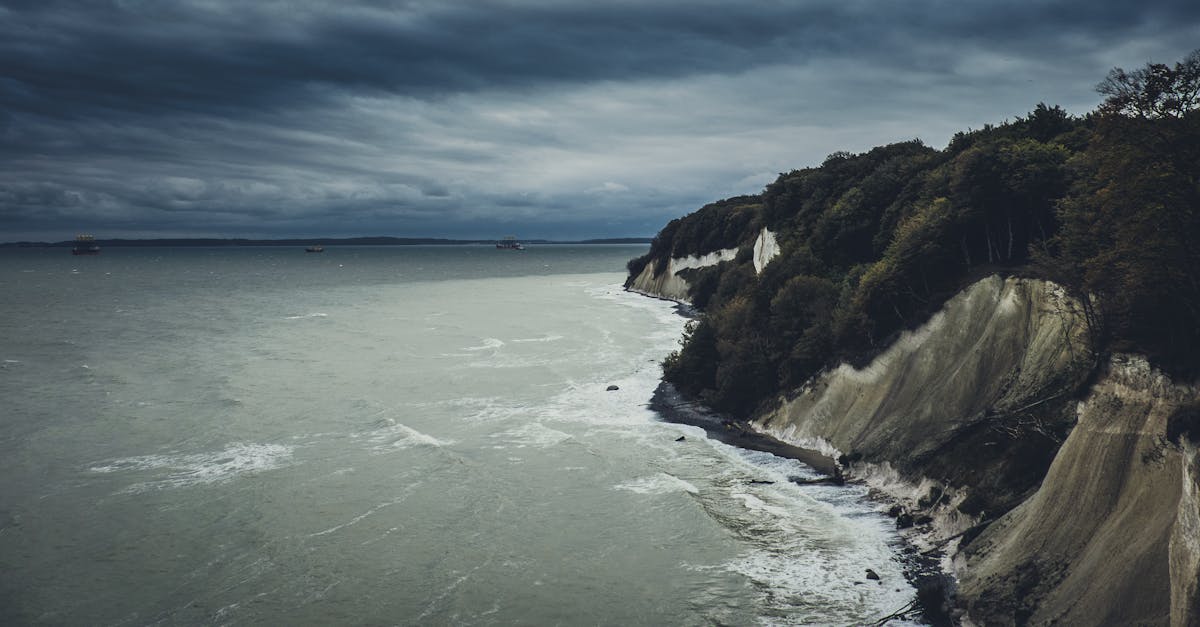
Stretching along the northeastern edge of Germany's largest island, the chalk cliffs of Rügen offer one of Europe's most dramatic coastal landscapes. Rising dramatically from the turquoise waters of the Baltic Sea, these white limestone formations, particularly at the iconic Königsstuhl (King's Seat), reach heights of up to 161 meters and have captivated visitors since Caspar David Friedrich immortalized them in his famous Romantic paintings. The stark contrast between the brilliant white rock and the deep blue sea creates a surreal atmosphere that changes with every weather condition; on sunny days, the cliffs glow like polished marble, while misty mornings often veil their peaks in an ethereal fog that invites quiet contemplation.
Beyond their visual splendor, the cliffs are a haven for hikers and nature enthusiasts, accessible via well-maintained trails that wind through ancient beech forests within the Jasmund National Park, a UNESCO World Heritage site. As you walk the paths, keep an eye out for rare plant species and the occasional golden eagle soaring above, while the rhythmic crashing of waves below provides a soothing soundtrack to your journey. Whether you choose to explore the extensive network of footpaths or simply stand at the edge to admire the geological wonder, a visit to Rügen's chalk cliffs promises an unforgettable connection with the raw beauty of Germany's Baltic coastline.
 This photo was taken by Bence Szemerey on Pexels.
Sunny Beaches and Traditional Fishing Villages
Stretching along the northern edge of Germany, the Baltic Sea offers a unique coastal experience where golden sands meet crystal-clear waters, creating perfect spots for sunbathing and swimming during the summer months. Destinations like Rügen's Sellin and Warnemünde boast wide, pristine beaches backed by charming promenades lined with historic wooden piers and vibrant seaside architecture. Unlike the Mediterranean, the Baltic coast provides a refreshing breeze and a serene atmosphere, ideal for families seeking relaxation or couples looking for romantic sunset walks. The water may be cooler than southern European seas, but the long, sunny days in July and August make it an inviting destination for swimming, windsurfing, and simply soaking up the tranquil maritime air.
Beyond the resort towns lie picturesque traditional fishing villages that offer a glimpse into Germany's rich maritime heritage, where time seems to stand still. In quaint hamlets like Binz on Rügen or the colorful harbor of Stralsund, you can wander through narrow cobblestone streets flanked by red-tiled roofs and half-timbered houses, smelling the fresh catch of the day at local fish markets. These authentic communities preserve their traditions through annual festivals celebrating fishermen and sailors, while visitors can enjoy hearty meals featuring freshly caught herring and mackerel in cozy, rustic taverns. Exploring these villages allows tourists to connect with the local way of life, far removed from the bustling resorts, offering a peaceful retreat where the rhythm of the tides dictates the pace of daily living.
 This photo was taken by Mohamed B. on Pexels.
Charming Seaside Resorts from Binz to Heiligendamm
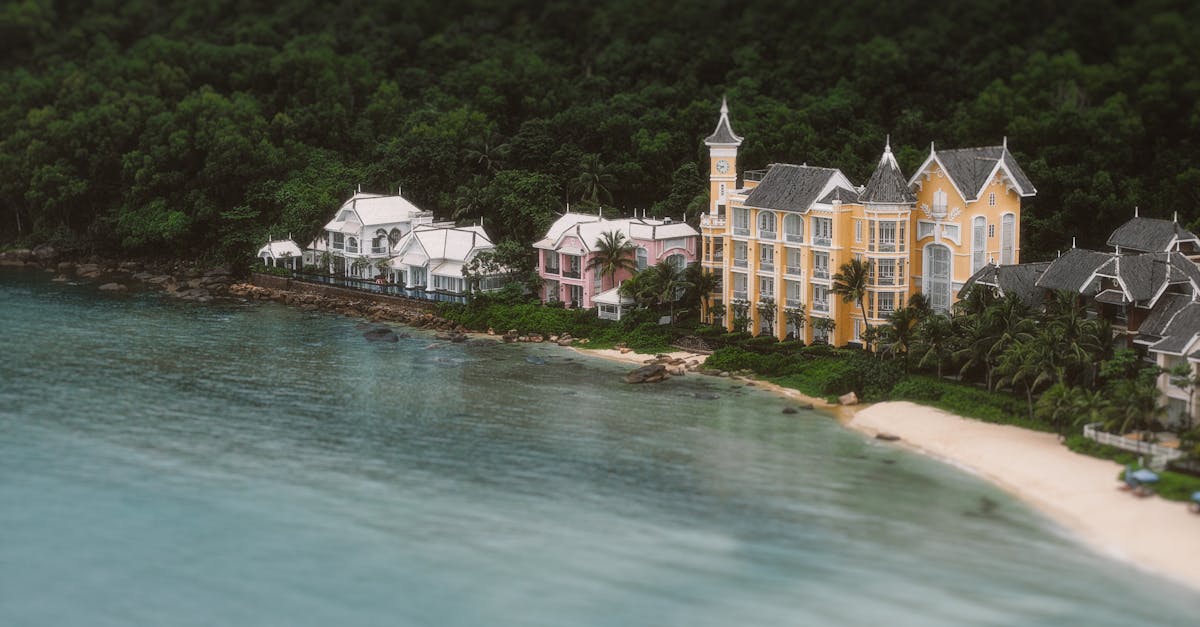
Journeying along the Baltic Coast, you will discover a string of picturesque seaside resorts that blend historic elegance with natural beauty. Starting in Binz on Rügen Island, known for its striking white chalk cliffs and the iconic Kreidefelsen (chalk cliffs), visitors can stroll through charming wooden boardwalks lined with colorful pastel buildings. Moving westward, the resort towns of Sellin and Bansin offer pristine sandy beaches perfect for long walks, while further down the coast lies Heiligendamm, the oldest seaside resort in Europe. Founded in 1793, this "White City" is an architectural masterpiece featuring grand neoclassical facades and a unique atmosphere where time seems to slow down, inviting guests to relax in the cool sea breeze amidst lush gardens.
Beyond their visual allure, these coastal gems provide a wealth of cultural experiences and leisure activities suitable for every traveler. In Binz, you can explore the vibrant Kurhaus or take a boat trip to witness the dramatic coastline from the water, whereas Heiligendamm offers world-class wellness treatments in its historic bathhouse, the Kurhaus, which has been meticulously restored to its former glory. Whether you are seeking the energetic vibe of beach volleyball tournaments in Warnemünde or the serene tranquility of a sunset walk along the dunes near Kühlungsborn, the German Baltic Sea region promises an unforgettable escape. Each town retains its own distinct character, yet together they form a cohesive tapestry of tradition, nature, and relaxation that defines the true spirit of a German seaside holiday.
 This photo was taken by Sanat Anghan on Pexels.