Germany's Best Kept Secret: The Charming Towns of Mecklenburg-Vorpommern
 This photo was taken by Wolfgang Weiser on Pexels.
When travelers dream of Germany, their minds often drift immediately to the bustling streets of Berlin, the fairytale castles of Bavaria, or the romantic Rhine Valley. Yet, tucked away in the northeastern corner of the country lies a region that offers a serene escape from the crowds: Mecklenburg-Vorpommern. Often overlooked by the masses, this state is a treasure trove of pristine nature and timeless history, waiting to be discovered by those who seek authenticity over spectacle. From the dramatic chalk cliffs of Rügen to the tranquil waters of the Mecklenburg Lake District, this is a land where the rhythm of life slows down to match the gentle lapping of Baltic waves. Join me as we uncover the hidden gems of this coastal paradise, exploring its fairy-tale architecture, walking through medieval Hanseatic towns frozen in time, and immersing ourselves in one of Europe's most spectacular natural playgrounds.
Discovering the Baltic Coast's Fairy-Tale Architecture
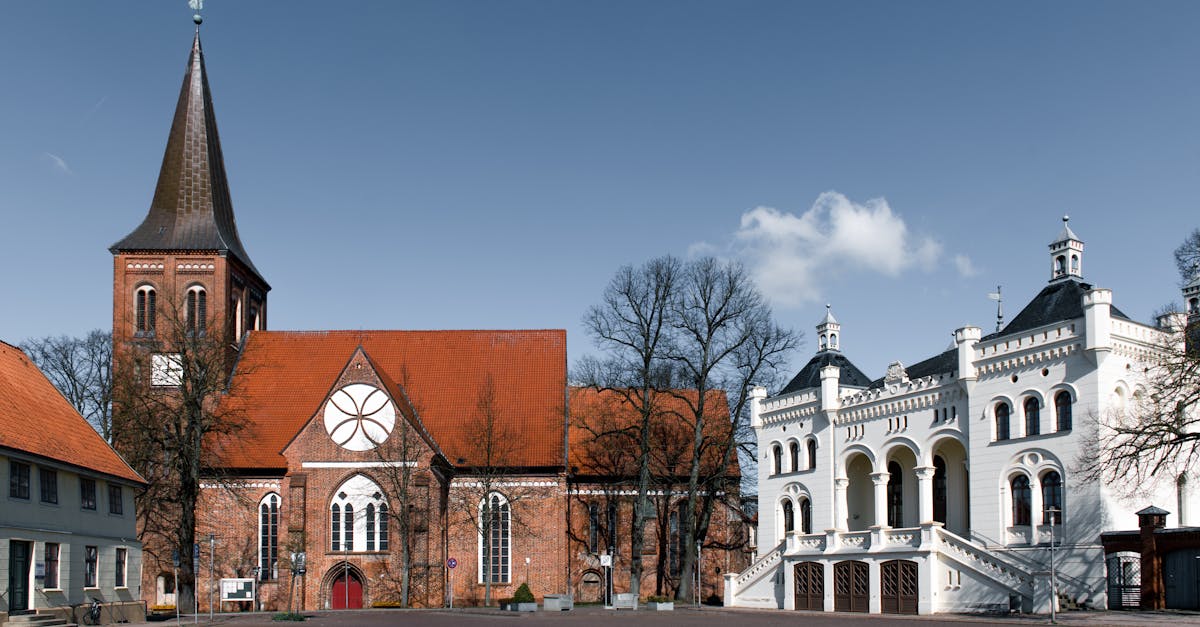
Wandering through the historic centers of Mecklenburg-Vorpommern feels like stepping into a storybook, where the Baltic Sea breeze carries the scent of salt and centuries-old timber. The region's towns, from Stralsund to Wismar, showcase a stunning array of Brick Gothic architecture that has been meticulously preserved under UNESCO World Heritage status. You will find yourself surrounded by majestic red-brick town halls, towering church spires that pierce the grey skies, and charming merchant houses with their distinctive stepped gables, all reflecting the grandeur of the Hanseatic League era. These structures are not merely relics; they stand as vibrant testaments to a maritime past, inviting visitors to explore cobblestone alleys lined with colorful facades that seem to shimmer in the northern light.
Beyond the iconic landmarks, the true magic lies in the intimate details that define these fairy-tale settings. Imagine strolling along the waterfront promenades where pastel-colored fishermen's cottages nestle beside elegant 19th-century villas, creating a picturesque contrast against the deep blue of the ocean. The atmosphere is uniquely tranquil, allowing you to lose track of time while admiring the intricate brickwork patterns and the warm glow emanating from café windows during crisp autumn evenings. Whether you are capturing photos of the rhythmic tides lapping against the shore or simply enjoying a quiet moment on a wooden bench overlooking the harbor, the Baltic Coast offers an enchanting escape where history and natural beauty intertwine seamlessly.
 This photo was taken by GirlvsGlobe86 on Pexels.
A Journey Through Time in Medieval Hanseatic Towns
Step into a living postcard where the cobblestone streets of Wismar and Stralsund whisper tales of a bygone era, transporting you back to the golden age of the Hanseatic League. These UNESCO World Heritage sites stand as timeless guardians of maritime history, their red-tiled gables and ornate brick Gothic architecture reflecting centuries of trade prosperity that once connected Europe from London to Novgorod. As you wander through the grand market squares dominated by historic town halls and towering churches, you can almost hear the bustling merchants haggling over goods like grain, timber, and fish, while the scent of fresh pretzels and roasting coffee drifts from charming courtyards hidden behind imposing walls.Beyond the architectural splendor, these towns offer an intimate glimpse into a slower pace of life that has remained remarkably preserved against the rush of modernity. Imagine cycling along the harbor promenade at sunset, watching fishing boats bob gently in the Baltic waters just as they have for hundreds of years, or exploring narrow alleyways that lead to quiet gardens and secret passages within ancient merchant houses. Whether you are savoring local specialties in a centuries-old beer hall or attending a medieval festival that brings history to vibrant life, Mecklenburg-Vorpommern invites you to pause and let the rhythmic heartbeat of the Hanseatic past guide your journey through one of Germany's most enchanting regions.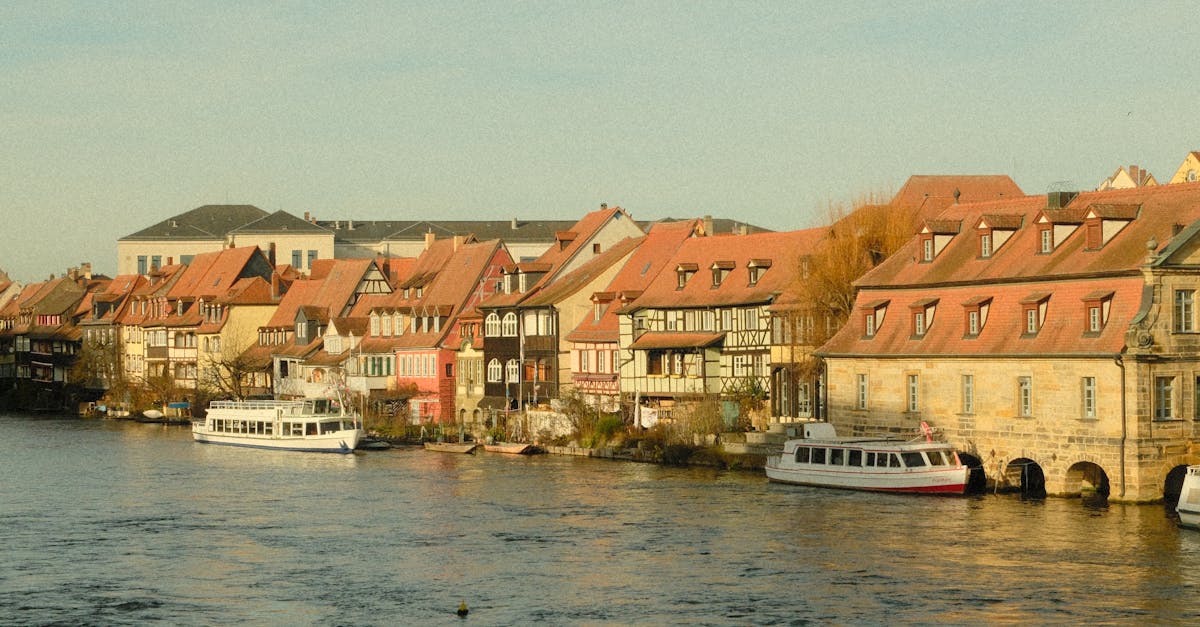 This photo was taken by Alyona Nagel on Pexels.
Nature's Playground: From Rügen to the Mecklenburg Lake District
Prepare to be mesmerized by the dramatic white chalk cliffs of Rügen, Germany's largest island, where nature has sculpted a prehistoric playground along the Baltic Sea coast. The iconic Königsstuhl (King's Seat) offers breathtaking panoramic views that change with every tide, inviting hikers and photographers alike to explore the surrounding UNESCO World Heritage landscapes. Beyond the coast, the island transforms into a lush haven of ancient beech forests and secluded sandy beaches, creating a perfect blend of rugged geology and serene relaxation that defines the unique character of Mecklenburg-Vorpommern.
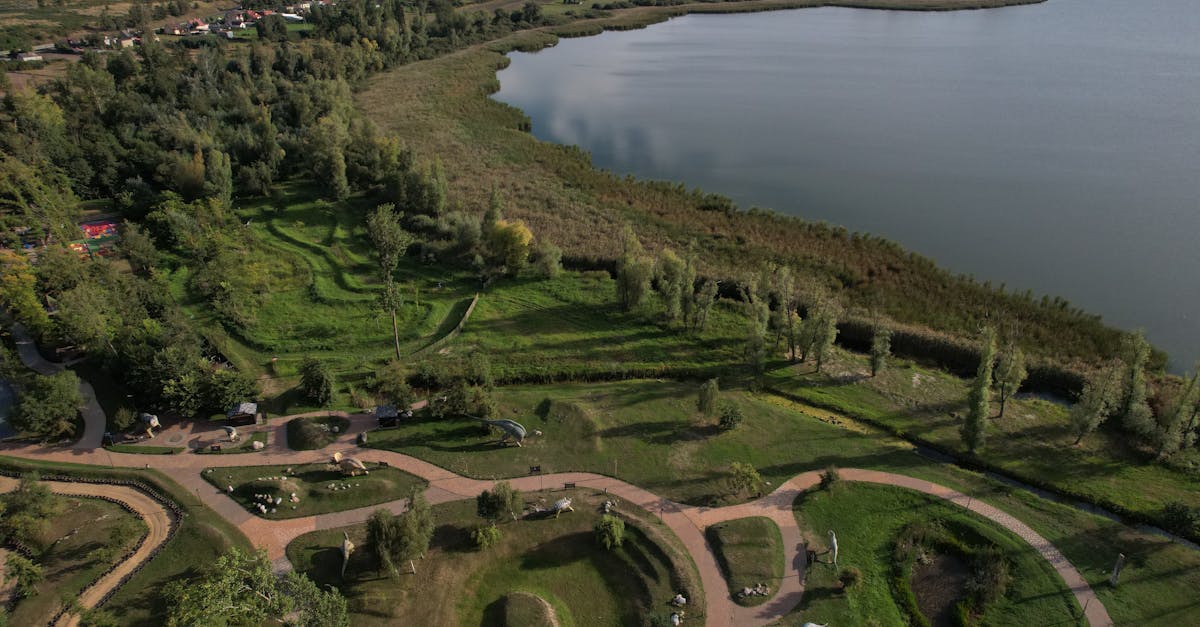
Inland, the journey continues into the enchanting Mecklenburg Lake District, a sprawling network of over 1,000 lakes connected by tranquil rivers and canals, often referred to as the "Land of a Thousand Lakes." This region is an idyllic paradise for water sports enthusiasts, offering endless opportunities for kayaking, sailing, and paddleboarding amidst reed beds teeming with wildlife like herons and kingfishers. Whether you are gliding across the glassy surface of the Müritz or cycling through picturesque villages dotted with half-timbered houses, the lake district provides an authentic, unspoiled escape where time seems to slow down, allowing visitors to reconnect deeply with the natural rhythm of the German countryside.
 This photo was taken by Radoslaw Sikorski on Pexels.