Germany's Best-Preserved Medieval Towns to Visit Today
 This photo was taken by Joerg Hartmann on Pexels.
Welcome to the heart of German history! As a local guide, I have had the privilege of walking through cobblestone streets that have witnessed centuries of change, yet remain frozen in time. Germany is home to some of Europe's most enchanting medieval towns, where half-timbered houses whisper stories of guilds and kings, and fortified walls still stand guard over bustling market squares. Whether you are seeking the fairytale atmosphere of a storybook village, the architectural splendor of UNESCO heritage sites, or the serene beauty of riverside charm, our journey today will take you beyond the modern cities into a world where the past feels wonderfully alive. Join me as we explore Rothenburg ob der Tauber, Quedlinburg, and Miltenberg—three destinations that offer an unforgettable glimpse into Germany's rich medieval legacy.
Rothenburg ob der Tauber: A Fairytale Journey Back in Time
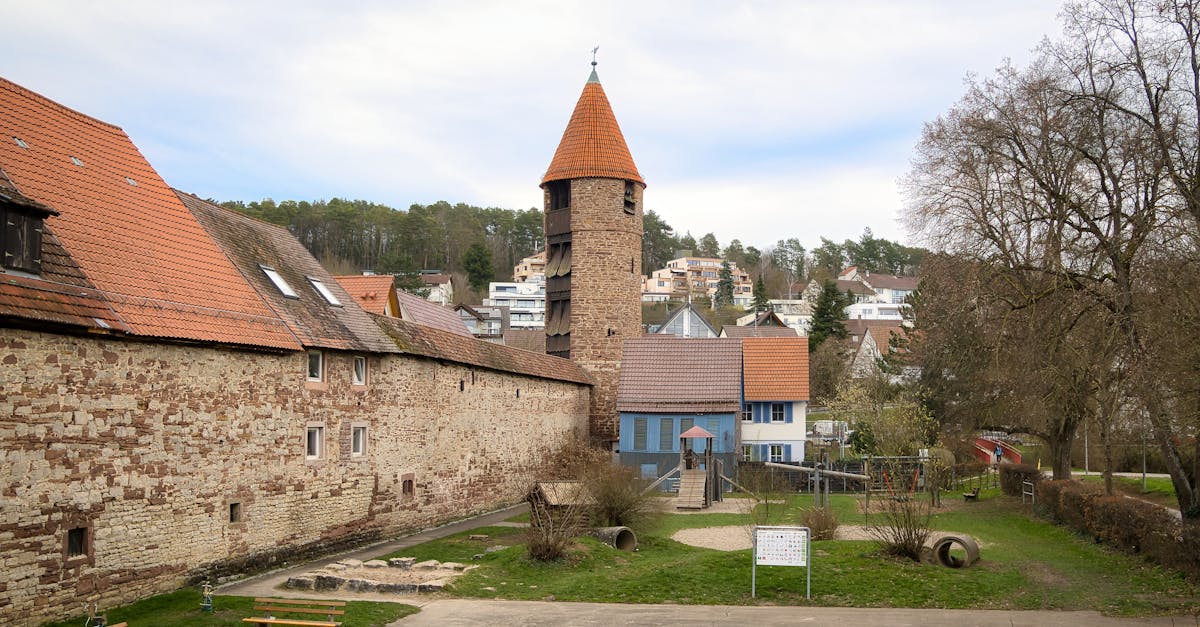
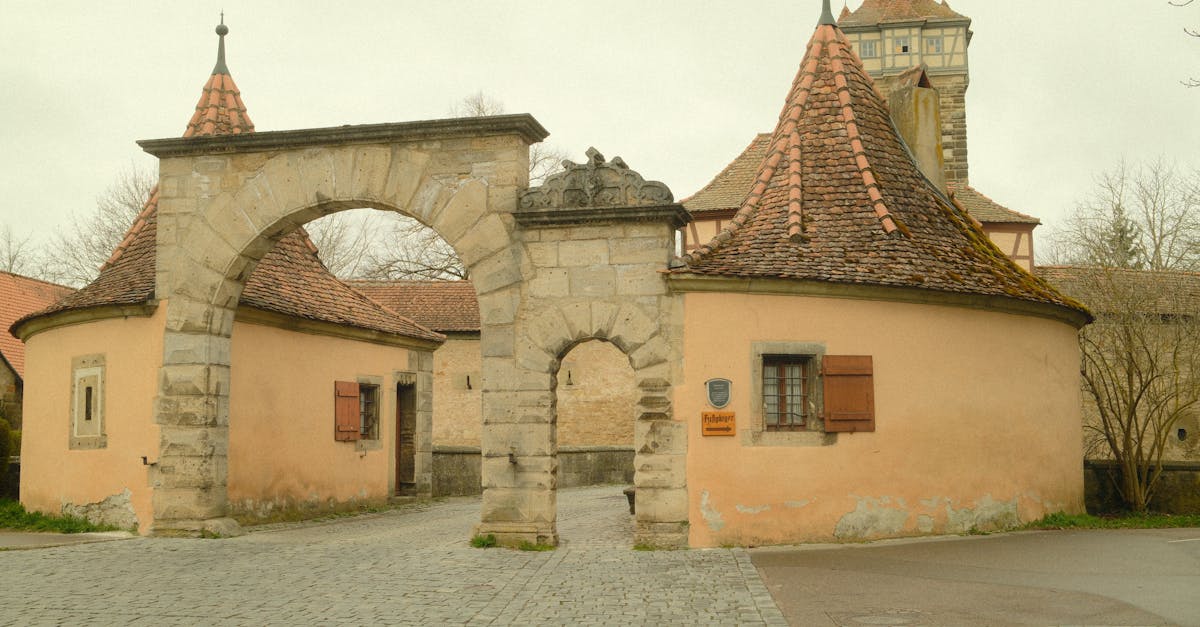
Step into the cobblestone streets of Rothenburg ob der Tauber, where time seems to have stood still since the Middle Ages. As one of Germany's most iconic half-timbered towns, its perfectly preserved ramparts and winding alleyways offer an immersive journey back to the 14th century. Visitors can wander along the fortified walls for panoramic views of red-tiled roofs and watchtowers, or get lost in the charming squares like the Rathausplatz, where the famous Plönlein corner awaits with its picturesque double-gabled houses. The town's atmosphere is further enriched by seasonal traditions, particularly during Christmas, when the world-famous Christmas market transforms the historic center into a magical wonderland of lights and handcrafted delights.
Beyond its stunning architecture, Rothenburg invites you to explore its rich history through engaging museums and guided tours that bring the past to life. The German Medieval Museum offers a fascinating glimpse into daily life centuries ago, while the St. James' Church tower provides a thrilling climb for those seeking breathtaking vistas over the Tauber Valley. Whether you are savoring local wines at a traditional tavern tucked away in a quiet courtyard or simply enjoying the serene ambiance of a winter snowfall dusting the ancient stones, this fairytale destination captures the very essence of medieval Germany. It is a place where every corner tells a story, making it an essential stop on any traveler's quest to experience authentic historical charm.
 This photo was taken by Alyona Nagel on Pexels.
Quedlinburg's Half-Timbered Gems and UNESCO Heritage
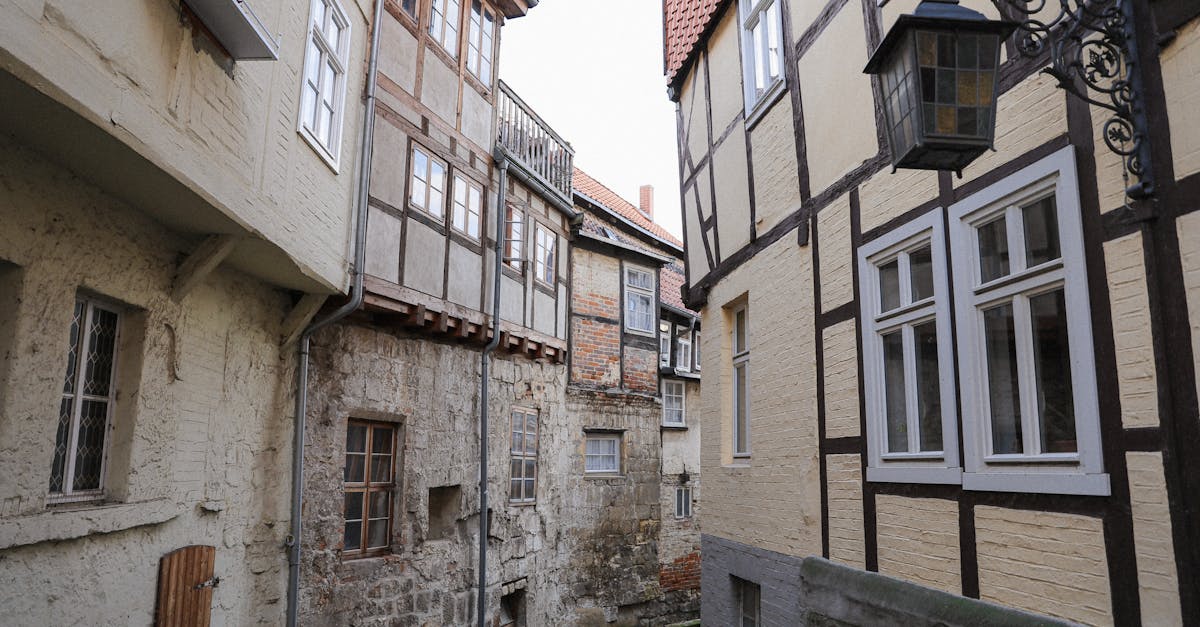
Stepping into Quedlinburg feels like traveling back in time to the Middle Ages, where over 1,300 half-timbered houses line the winding cobblestone streets of this charming Harz region town. Dating from the 15th to the 19th centuries, these colorful timber-framed structures showcase a remarkable variety of architectural styles and intricate woodwork that make Quedlinburg the largest continuous ensemble of its kind in Europe. As you wander through the historic center, you will notice how the buildings have been lovingly preserved, with their steep gables and decorative beams creating a picturesque tapestry that has captivated visitors for centuries.
In recognition of this extraordinary preservation, UNESCO designated the entire old town as a World Heritage Site in 1994, celebrating not just the architecture but also the town's rich history dating back to the early medieval period. The highlight of any visit is undoubtedly the Romanesque Collegiate Church of St. Servatius, which stands proudly at the top of the Schlossberg hill and houses the imperial tombs of Emperor Otto I and his wife Adelheid. Whether you are exploring the narrow alleyways filled with artisan shops or enjoying panoramic views from the castle ruins, Quedlinburg offers an authentic glimpse into Germany's medieval past that remains one of the country's most enchanting destinations today.
 This photo was taken by Alina Rossoshanska on Pexels.
Miltenberg: Where the River Meets Medieval Charm
Nestled along the picturesque banks of the Main River, Miltenberg offers a timeless journey back to the Middle Ages where half-timbered houses seem to lean affectionately toward one another. This charming town in Bavaria is renowned for its exceptionally well-preserved medieval architecture, featuring narrow cobblestone streets that wind past colorful gabled facades and hidden courtyards. As you stroll through the historic center, you will be captivated by the iconic "Burg Miltenberg" perched high above the river, providing panoramic views that have watched over travelers and merchants for centuries. The atmosphere is further enriched by local traditions, from the lively weekly markets selling regional crafts to the gentle sound of riverboats gliding past the ancient stone bridges.
Beyond its visual splendor, Miltenberg invites visitors to immerse themselves in a unique blend of history and relaxation. The town's strategic location at the confluence of the Main and the Saale rivers has made it a cultural crossroads, evident in its diverse culinary scene that celebrates both Franconian wines and hearty German cuisine. Whether you are exploring the atmospheric cellar bars known as "Keller," wandering through the tranquil river promenade, or simply enjoying a coffee with a view of the castle silhouette against the sky, Miltenberg provides an authentic and intimate glimpse into Germany's medieval past without the overwhelming crowds found in larger cities. It stands as a perfect destination for those seeking to experience the romantic allure of a bygone era in a setting that feels both grand and intimately welcoming.
 This photo was taken by Erik Mclean on Pexels.