Germany's Hidden Gems: Small Towns with Big Charms
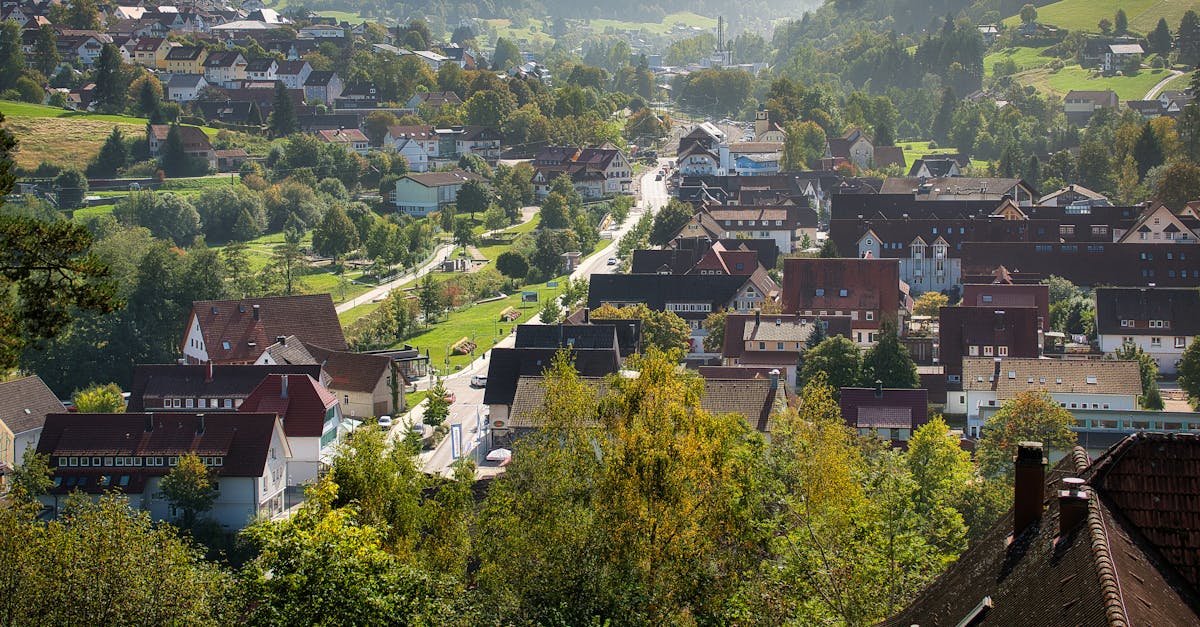 This photo was taken by Joerg Hartmann on Pexels.
Welcome, fellow travelers! While the bustling metropolises of Berlin and Munich often steal the spotlight, Germany's true soul resides in its countless small towns that have quietly preserved centuries of history and charm. In this post, we invite you to step off the beaten path and discover destinations where time seems to slow down. From winding medieval alleyways that whisper tales of the past to serene riverside villages along the Rhine and Danube, and finally to the authentic flavors found in hidden local taverns, join me as we explore the picturesque corners of our beautiful country. Get ready to uncover the magic of Germany's hidden gems.
Quaint Cobblestone Alleys: Exploring Medieval Wonders
Wandering through the winding, cobblestone alleys of Germany's medieval towns is like stepping back in time, where every stone seems to whisper stories of merchants, artisans, and kings from centuries past. In places like Rothenburg ob der Tauber or Quedlinburg, the narrow streets are flanked by half-timbered houses with intricate wooden facades that lean slightly inward, creating a cozy canopy over the path below. As you trace your steps along these historic thoroughfares, you will discover hidden courtyards, ancient fountains, and secret gardens that offer a peaceful retreat from the modern world, inviting you to pause and truly immerse yourself in the architectural splendor of the Holy Roman Empire.
These charming alleyways are not merely relics of the past but vibrant spaces where history lives on through local cafes serving traditional beer and pastries, and artisan workshops crafting everything from delicate glassware to hand-carved toys. The atmosphere shifts beautifully as dusk falls, casting long shadows against the warm glow of gas lamps and illuminating the texture of the worn stones underfoot, creating an enchanting ambiance perfect for a romantic stroll or a quiet evening reflection. Whether you are exploring the fortified walls of Dinkelsbühl or getting lost in the labyrinthine streets of Bamberg, these small towns offer an authentic German experience that feels both intimate and timeless, proving that some of the country's greatest treasures are found far away from the bustling city centers.
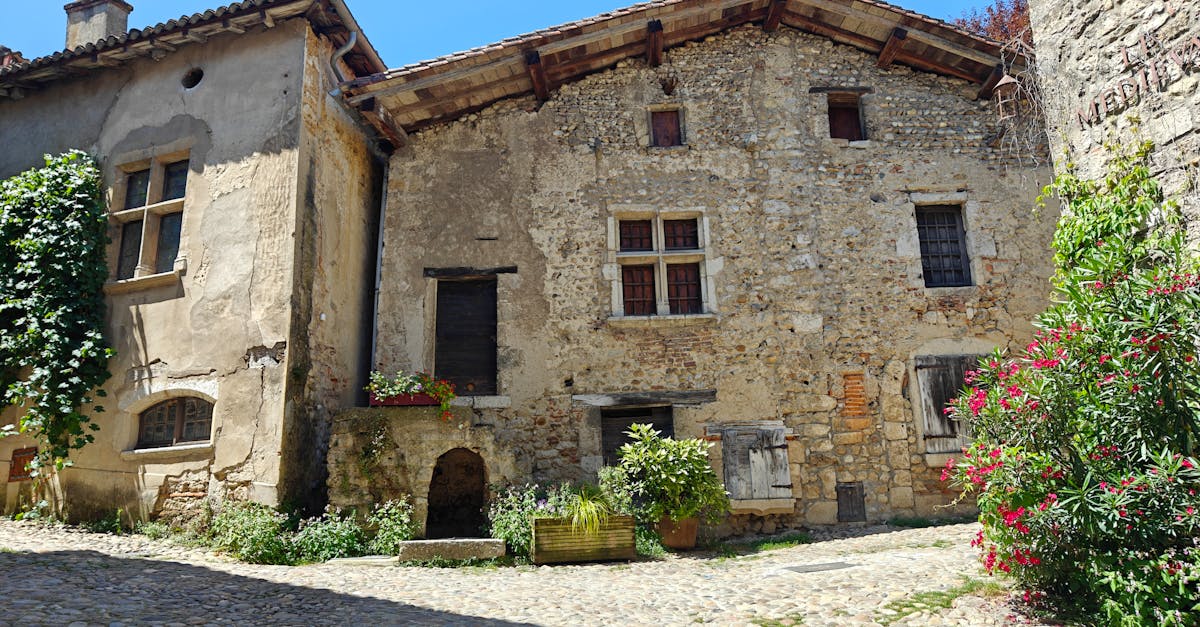 This photo was taken by Marcin Benko on Pexels.
Riverside Serenity: Charming Villages Along the Rhine and Danube
Wandering along the winding banks of the Rhine, you will discover a timeless landscape where steep vineyards cascade down to the water's edge, framing picture-perfect villages like Bacharach and Rüdesheim. These historic settlements, often nestled between towering medieval castles and lush forests, offer a tranquil escape from the bustling cities, inviting visitors to stroll across cobblestone streets lined with half-timbered houses that whisper tales of ancient trade routes. Whether you are sipping a crisp Riesling at a riverside terrace or watching the sun dip below the horizon behind the Lorelei rock, the rhythmic flow of the river provides a soothing backdrop that perfectly encapsulates the serene charm of German life.
Further east, the mighty Danube carves its own path through Bavaria and Baden-Württemberg, revealing equally enchanting towns such as Dinkelsbühl and Regensburg, where the water serves as a vital artery for centuries of culture and commerce. Here, the atmosphere shifts slightly to embrace grander imperial history alongside intimate local traditions, with narrow alleyways leading to hidden courtyards and lively market squares where artisans still practice their crafts. A leisurely boat ride or a gentle walk along the promenade allows you to absorb the harmonious blend of Roman, Gothic, and Baroque architecture, proving that these small towns along Germany's great rivers hold a quiet majesty that rewards every curious traveler who takes the time to explore them.
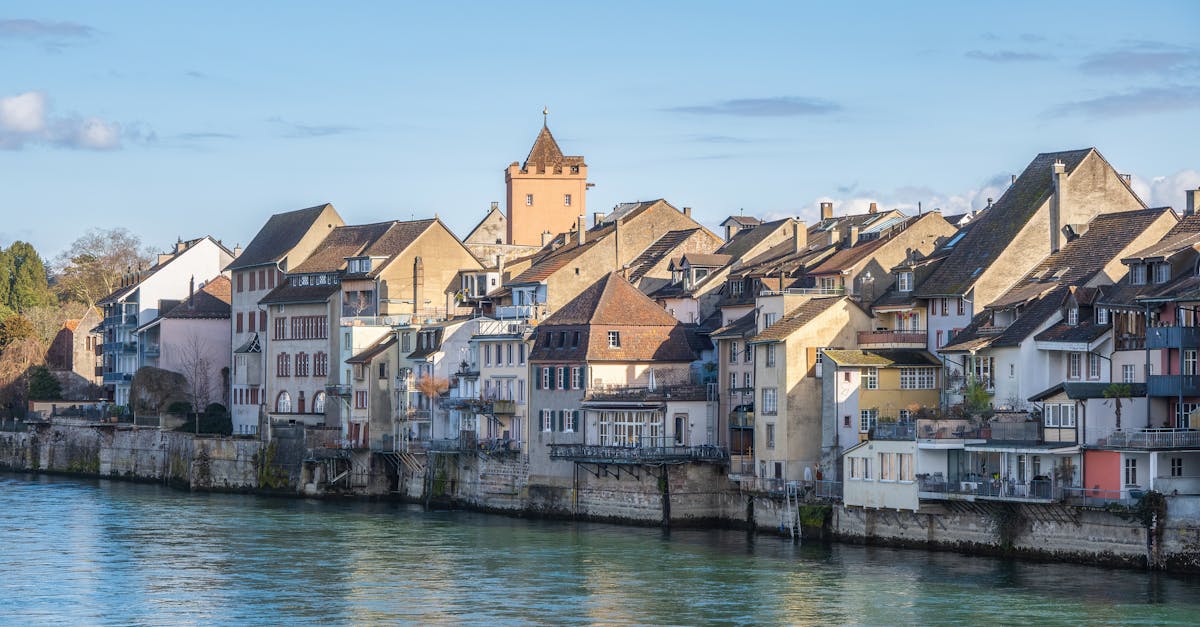 This photo was taken by Thomas P on Pexels.
Culinary Secrets: Hidden Taverns in Germany's Quaintest Towns
While the bustling beer halls of Munich often steal the spotlight, the true soul of German gastronomy hides within the cobblestone alleys of its smallest villages. In towns like Quedlinburg in Saxony-Anhalt or Riquewihr on the edge of the Black Forest, you will stumble upon "Gasthäuser" that have been family-run for generations, serving dishes that rarely appear on tourist menus. These unassuming taverns offer hearty regional specialties such as "Schupfnudel" with sauerkraut or game stews slow-cooked in local wine, all accompanied by a glass of house-made Riesling from nearby slopes. The atmosphere is intimate and warm, where the clinking of ceramic mugs blends with the crackle of the hearth, inviting travelers to sit down and listen to stories of the village's past while savoring flavors that have remained unchanged since the Middle Ages.
Exploring these culinary gems requires a bit of wandering and a willingness to ask locals for their favorite spots, often leading to doorways marked only by simple wooden signs or potted geraniums. Many of these hidden taverns operate without websites or English-speaking staff, yet they welcome visitors with an open heart and a full plate, creating an authentic connection that defines the German concept of "Gemütlichkeit." Whether it is a midnight snack of fresh "Brotzeit" at a riverside inn in Rothenburg ob der Tauber or a festive Christmas market treat in a tiny Franconian hamlet, these experiences transform a simple meal into a memorable journey through Germany's rich cultural tapestry, proving that the country's most enchanting moments are often found off the beaten path.
 This photo was taken by Jean-Paul Wettstein on Pexels.