Germany's Industrial Heritage: A Journey Through the Ruhr Valley
 This photo was taken by Frank van Dijk on Pexels.
Welcome, travelers! If you think Germany is defined solely by its fairytale castles and picturesque Alps, prepare to have your expectations delightfully upended. Today, we venture into the heart of Europe's industrial powerhouse: the Ruhr Valley. Once the beating engine of coal and steel that fueled a nation, this region has undergone a remarkable metamorphosis, turning its soot-stained past into a vibrant tapestry of culture, art, and nature.
In this journey, we will explore how the iconic Zollverein Coal Mine Industrial Complex evolved from a symbol of heavy industry into a UNESCO World Heritage site brimming with creativity. You'll discover how vast industrial landscapes now host world-class museums and sprawling green parks, offering a unique blend of history and recreation. Finally, no visit would be complete without savoring the hearty flavors of traditional Gaststätten, where the spirit of the miners lives on in every dish. Get ready to uncover the soul of modern Germany in the most unexpected place imaginable.
From Coal Mines to Cultural Landmarks: The Transformation of Zollverein
From Coal Mines to Cultural Landmarks: The Transformation of Zollverein
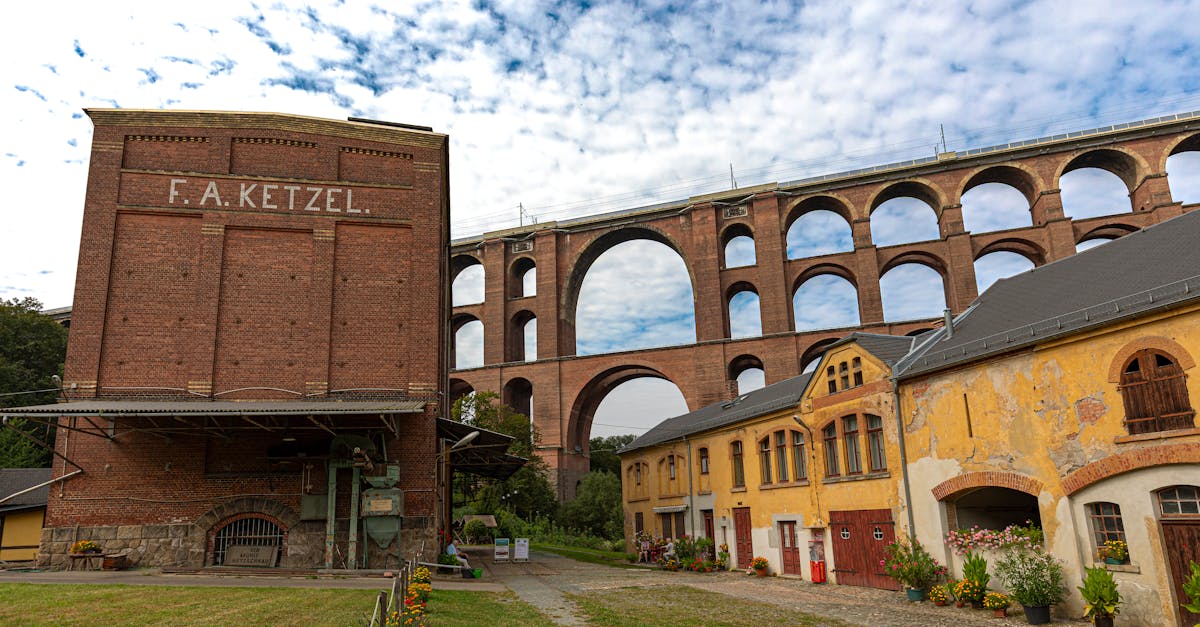
Once the beating heart of Europe's coal industry, the Zollverein Coal Mine Industrial Complex in Essen stands as a monumental testament to the Ruhr Valley's industrial might and its subsequent rebirth. For over a century, this UNESCO World Heritage site churned out millions of tons of coal, shaping the economic landscape of Germany and the lives of countless workers. However, as the mining era drew to a close in 1986, the massive red-brick structures and towering steel frameworks faced an uncertain future, threatening to become mere relics of a bygone age. Instead of demolition, visionary urban planners saw potential in the decay, initiating a profound transformation that preserved the site's raw industrial aesthetic while repurposing its vast halls for new cultural purposes.
Today, Zollverein has evolved into one of Germany's most dynamic cultural hubs, seamlessly blending its gritty industrial past with contemporary art, design, and architecture. Visitors can now wander through the coking plant, once a scene of intense labor, which now houses the Red Dot Design Museum, or explore the illuminated shafts at night that have become iconic symbols of the region's creative resurgence. The site also hosts the German Museum of Architecture and serves as a vibrant venue for festivals and exhibitions, proving that heritage does not mean stagnation. This remarkable journey from a dusty mine to a beacon of culture illustrates how the Ruhr Valley successfully turned its industrial scars into a source of pride and innovation, inviting travelers to witness history in the making.
 This photo was taken by Quang Nguyen Vinh on Pexels.
The Industrial Landscape: Exploring Museums and Green Spaces
The Ruhr Valley stands as a testament to Germany's industrial might, where the clanking of machinery has been transformed into a vibrant cultural renaissance. Visitors can step inside former coal mines and steel mills that now house world-class museums, such as the Zollverein Coal Mine Industrial Complex in Essen, a UNESCO World Heritage site that offers immersive tours through cavernous underground tunnels and soaring engine halls. These institutions do more than preserve history; they reinterpret it through contemporary art installations, interactive exhibits on energy transitions, and guided experiences that bring the stories of the workers who built modern Europe to life, turning the region's gritty past into an engaging narrative for travelers from around the globe.
Beyond the walls of these historic sites, the landscape itself has undergone a remarkable metamorphosis from an industrial scar into a sprawling network of green spaces and recreational areas. The Emscher Landscape Park connects former industrial zones with lush gardens, hiking trails, and waterways, allowing tourists to cycle along old railway lines or kayak through revitalized canals. This unique blend of heavy industry and nature creates a distinct atmosphere where towering blast furnaces serve as dramatic backdrops for outdoor concerts, while serene lakes reflect the sky above parks that have replaced toxic waste dumps, offering a perfect example of how sustainable tourism can thrive alongside a rich historical legacy.
 This photo was taken by Jean-Paul Wettstein on Pexels.
A Culinary Journey: Traditional Gaststätten in the Ruhr Region
Nestled amidst the towering cranes and repurposed industrial landscapes of the Ruhr Valley, traditional Gaststätten offer a warm sanctuary where the region's gritty history meets its hearty hospitality. These family-run eateries, often housed in restored brick buildings that once served as worker canteens or brewery halls, are the beating hearts of local culture. Here, you will find the quintessential Westphalian cuisine, featuring robust dishes like "Mettbrötchen" (raw minced pork on bread) and the legendary "Reibekuchen mit Apfelmus" (potato pancakes with apple sauce). The atmosphere is distinctly unpretentious, filled with the clinking of steins and the lively chatter of locals who have gathered here for generations to celebrate their shared heritage over a glass of crisp Kölsch or a dark, malty beer brewed right next door.
A culinary journey through these establishments reveals more than just food; it is an immersion into the social fabric of Germany's most populous metropolitan area. Many Gaststätten still operate with a strict adherence to tradition, serving "Schwarzbier" alongside savory pies filled with regional game or river fish, reflecting the area's diverse agricultural roots. Whether you are enjoying a late-night snack at a bustling "Imbiss" stand or settling in for a multi-course meal at a historic tavern, the experience underscores the resilience and community spirit that defined the industrial era. As you savor each bite, you taste the story of the Ruhr, transforming from a coal and steel powerhouse into a vibrant cultural destination where the past is honored and the present is enjoyed with open arms.
 This photo was taken by Erik Mclean on Pexels.