Germany's Medieval Towns: Time Travel in Rothenburg and Quedlinburg
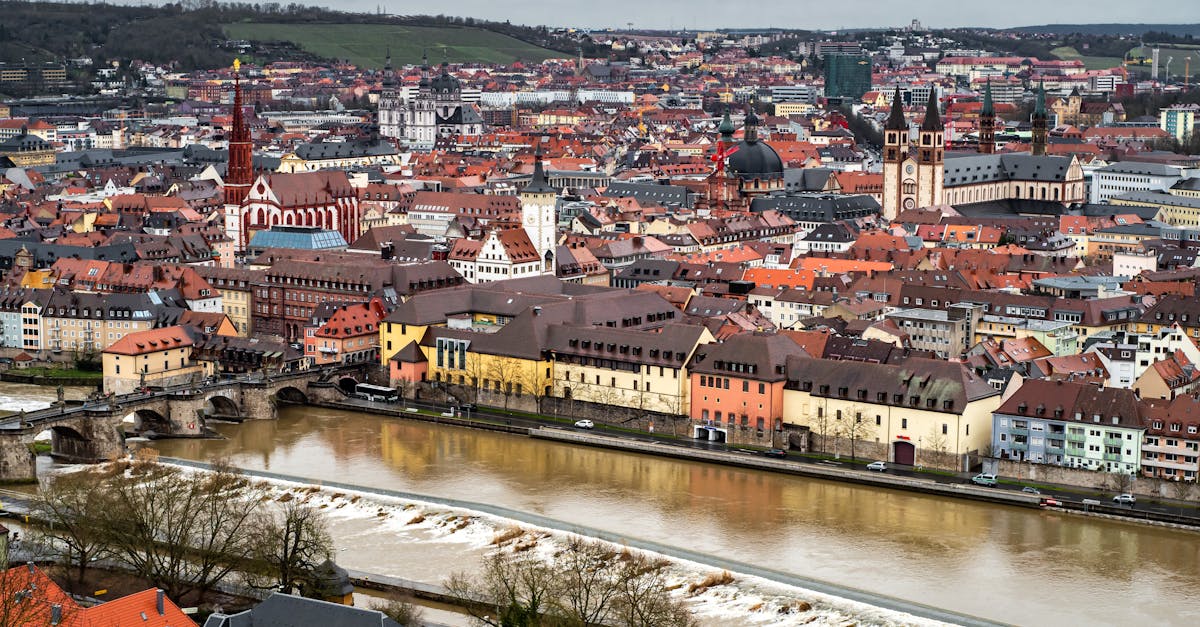 This photo was taken by Emre Ozyemisci on Pexels.
Welcome to the heart of Germany, where the modern world fades away and you step directly into a living history book. Imagine strolling through streets paved with ancient cobblestones, flanked by half-timbered houses that have stood guard for centuries against the passage of time. In this post, we invite you on a magical journey to two of our country's most enchanting medieval treasures: Rothenburg ob der Tauber and Quedlinburg. From the fairytale atmosphere of Rothenburg, which feels like it was plucked straight from a Grimm's tale, to the UNESCO-listed heritage of Quedlinburg where every wall whispers stories of the past, these towns offer an unparalleled glimpse into daily life during the Middle Ages. Get ready to pack your imagination as we explore the best-preserved medieval towns in Germany, proving that sometimes the best way to travel is back in time.
Rothenburg ob der Tauber: A Fairytale Journey Back to the Middle Ages
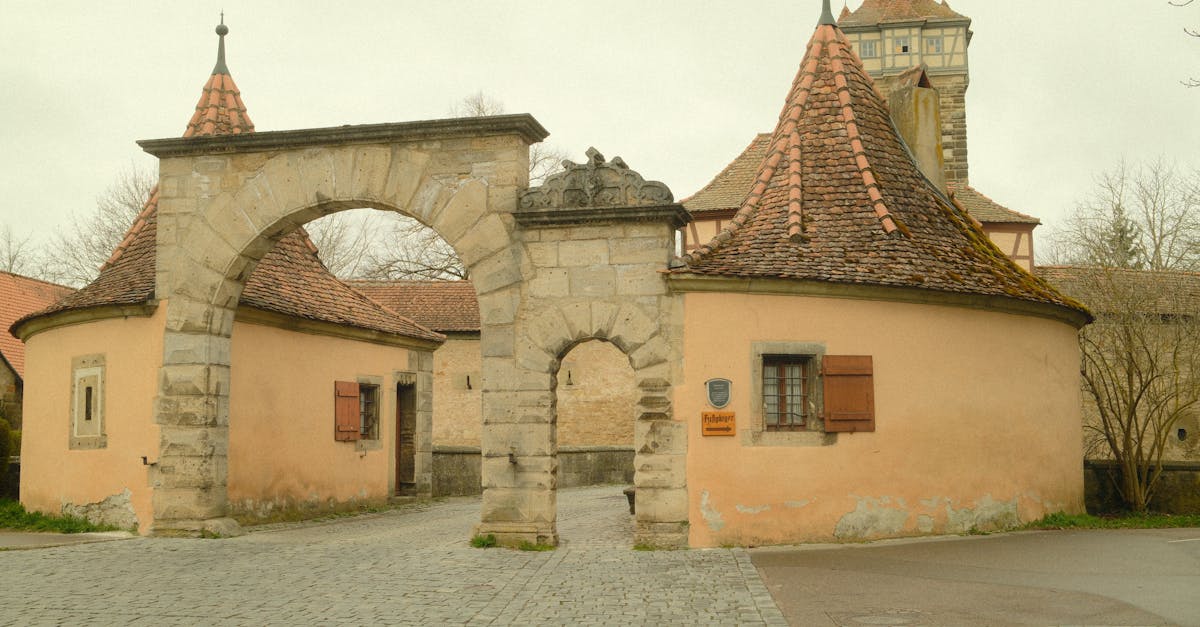
Step into the cobblestone streets of Rothenburg ob der Tauber, where time seems to have stood still since the 14th century, offering an authentic glimpse into medieval life that feels more like a fairytale than reality. This perfectly preserved town, nestled along the Romantic Road, invites you to wander through half-timbered houses adorned with vibrant flower boxes and explore narrow alleyways that once echoed with the footsteps of knights and merchants. A visit to the famous Plönlein corner, where two historic towers frame a picturesque courtyard, or a walk along the intact city walls provides breathtaking views and a tangible connection to the past, making every turn a new discovery in this open-air museum of German history.
As the sun sets, the atmosphere transforms even further, casting a golden glow on the ancient stone facades and illuminating the festive lights that make Rothenburg especially enchanting during its world-renowned Christmas market. Beyond the visual splendor, the town offers immersive experiences such as guided tours by costumed guides who share tales of plagues, sieges, and legendary figures, bringing the Middle Ages vividly to life for visitors of all ages. Whether you are savoring traditional Franconian cuisine in a centuries-old tavern or simply losing yourself in the quiet charm of the town square, Rothenburg promises an unforgettable journey back to an era where romance and history intertwine seamlessly.
 This photo was taken by Alyona Nagel on Pexels.
Quedlinburg's UNESCO Heritage: Where Half-Timbered Houses Whisper History
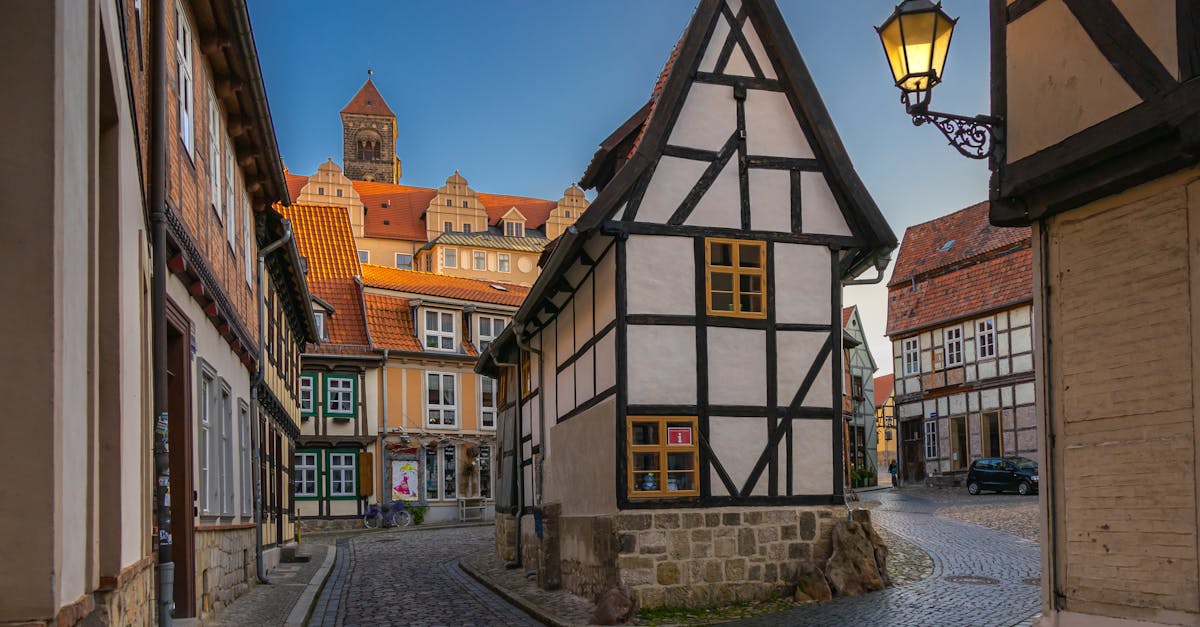
Stepping into Quedlinburg is akin to turning a page in a living history book, where over 1,300 half-timbered houses from the 16th and 17th centuries create a tapestry of architectural splendor that has earned its place as a UNESCO World Heritage site. Unlike many other towns that have been modernized, Quedlinburg preserves its medieval charm with remarkable integrity, featuring colorful facades adorned with intricate woodwork that tell stories of guilds, merchants, and royalty who once walked these cobblestone streets. The town's layout remains largely unchanged since the Middle Ages, offering visitors an immersive journey back to a time when German craftsmanship was at its zenith, with every gable and beam whispering tales of the past.
The atmosphere in Quedlinburg is further enriched by its historic castle complex perched atop the hill, which overlooks the sea of timber-framed roofs and serves as a poignant reminder of the town's strategic importance throughout the ages. Walking through the narrow alleyways, one can feel the weight of history pressing gently against the soul, especially during the golden hour when sunlight filters through the latticework, casting dancing shadows on the ancient stones. Whether you are exploring the Imperial Palace or simply sipping coffee in a traditional café surrounded by centuries-old walls, Quedlinburg offers a serene yet profound connection to Germany's medieval heritage, making it an essential stop for anyone seeking authentic time travel beyond the well-trodden paths of major cities.
 This photo was taken by Sergey Guk on Pexels.
Walking the Cobblestone Streets: Daily Life in Germany's Best-Preserved Medieval Towns
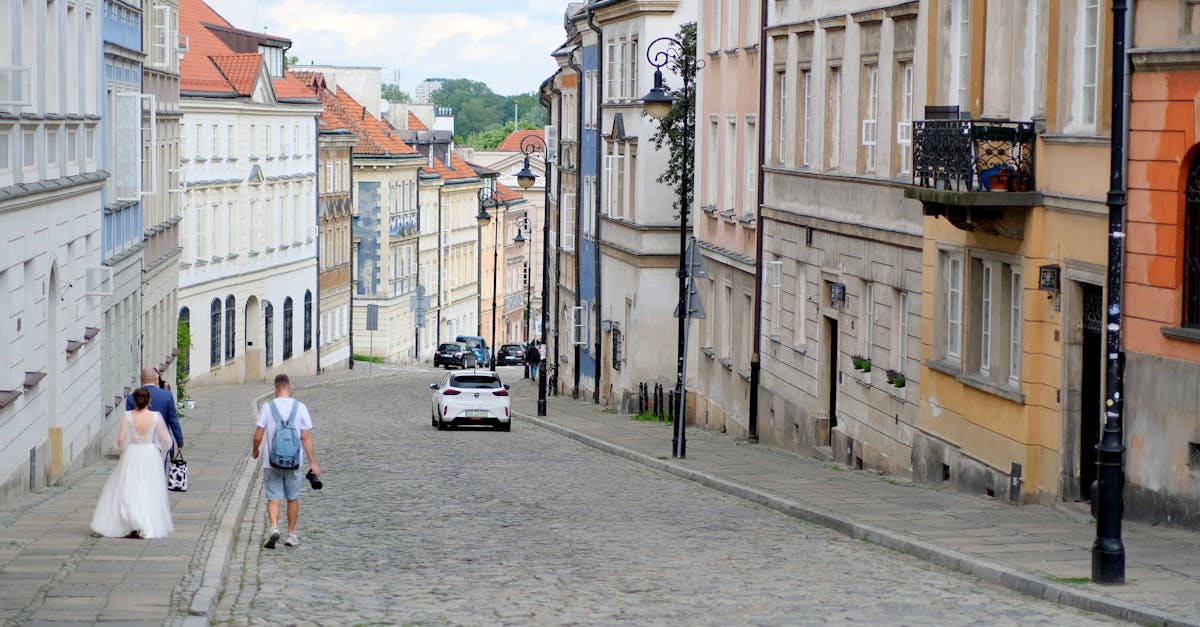
Strolling through the narrow, winding lanes of Rothenburg ob der Tauber or Quedlinburg feels less like a simple walk and more like stepping into a living history book. The uneven cobblestones, worn smooth by centuries of footsteps, guide you past half-timbered houses that lean affectionately toward one another, their colorful facades telling stories of merchants, guilds, and artisans from days gone by. In these meticulously preserved enclaves, daily life moves at a gentle pace; locals still shop at small family-owned bakeries where the scent of fresh pretzels mingles with the aroma of roasting coffee, while tourists wander in awe, trying to capture the same golden light that illuminated the town squares during the Middle Ages.
What makes these towns truly magical is how seamlessly modern German life coexists with ancient architecture, creating an atmosphere that is both authentic and enchanting. You might pause to watch a barista steam milk in a courtyard that has hosted travelers since the 12th century, or hear the distant chime of church bells echoing off stone walls as children play near the remnants of old city gates. Whether it is the romantic allure of Rothenburg's Wall Walk or the UNESCO-listed timber-framed beauty of Quedlinburg, walking these streets offers a rare opportunity to slow down and immerse yourself in a world where time seems to have stood still, inviting every visitor to become a temporary resident of Germany's most charming medieval heritage.
 This photo was taken by Roman Biernacki on Pexels.