Germany's National Parks: From Wadden Sea to Berchtesgaden
 This photo was taken by Eddson Lens on Pexels.
Welcome, fellow travelers! As your guide through the heart of Europe, I am thrilled to invite you on a journey across Germany's most breathtaking natural treasures. From the rhythmic tides of the North Sea to the soaring peaks of the Bavarian Alps, our country boasts a stunning array of protected landscapes that offer an escape into pristine wilderness. In this post, we will explore the unique UNESCO World Heritage site of the Wadden Sea, trek through the alpine majesty of Berchtesgaden, and discover the diverse ecosystems hidden between these iconic regions. Whether you are a seasoned hiker or a nature enthusiast seeking tranquility, get ready to immerse yourself in the wild beauty that makes Germany a premier destination for eco-tourism.
Discovering the Wadden Sea: A UNESCO World Heritage Wonder
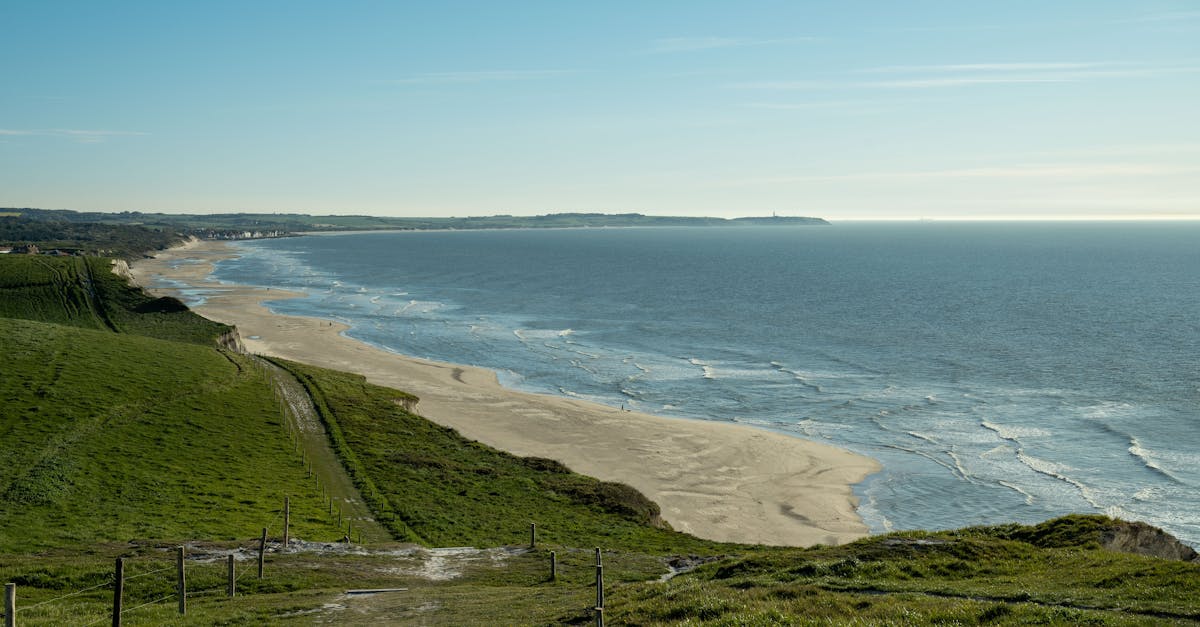
Stretching along the North Sea coast from the Netherlands to Denmark, Germany's Wadden Sea offers a breathtaking landscape where land and sea meet in a dynamic dance of tides. As a UNESCO World Heritage site, this vast intertidal zone is one of the most important bird migration areas in the world, teeming with millions of shorebirds that rest here during their epic journeys. Visitors can embark on guided mudflat hikes, known as "Wattwanderungen," where sturdy boots are essential for traversing the unique seabed exposed during low tide, revealing an ecosystem teeming with crabs, worms, and shellfish that sustain this incredible biodiversity.
Beyond its ecological significance, the Wadden Sea provides a serene escape into nature's raw beauty, far removed from the bustling cities of Berlin or Munich. Whether you choose to kayak through shallow channels, cycle along the coastal dykes, or simply watch the sunset paint the horizon in hues of gold and violet, the experience is both humbling and rejuvenating. The rhythmic ebb and flow of the tides not only shape the physical terrain but also dictate the rhythm of life here, inviting travelers to slow down and immerse themselves in the timeless, wild character of this northern German gem.
 This photo was taken by Bingqian Li on Pexels.
Alpine Majesty: Hiking and Wildlife in Berchtesgaden National Park
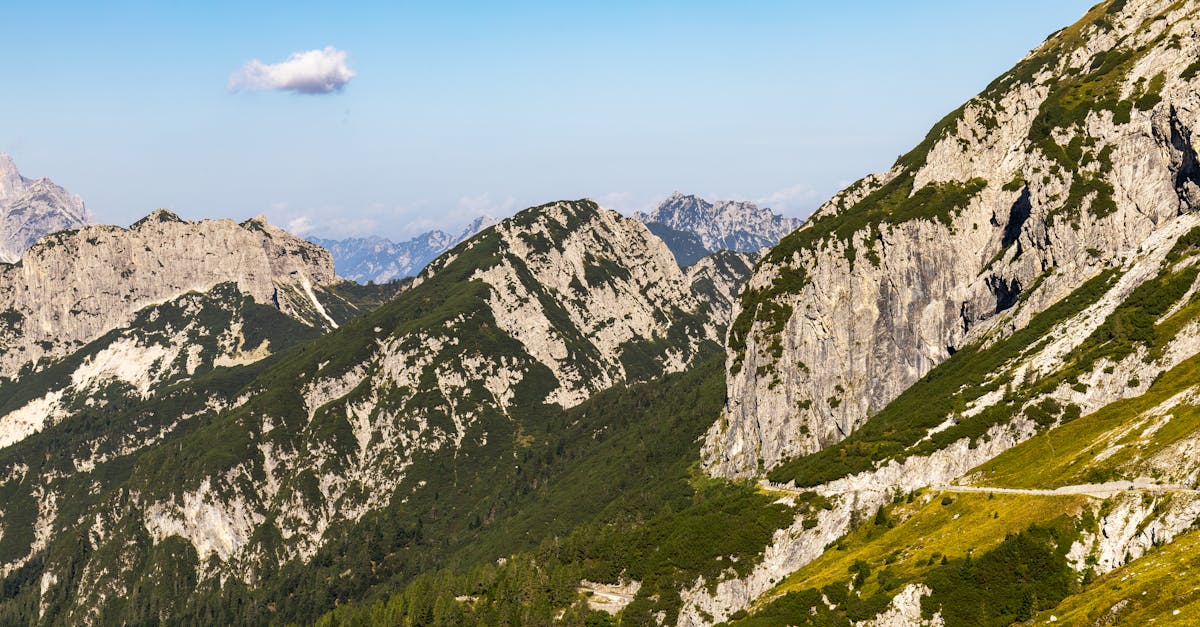
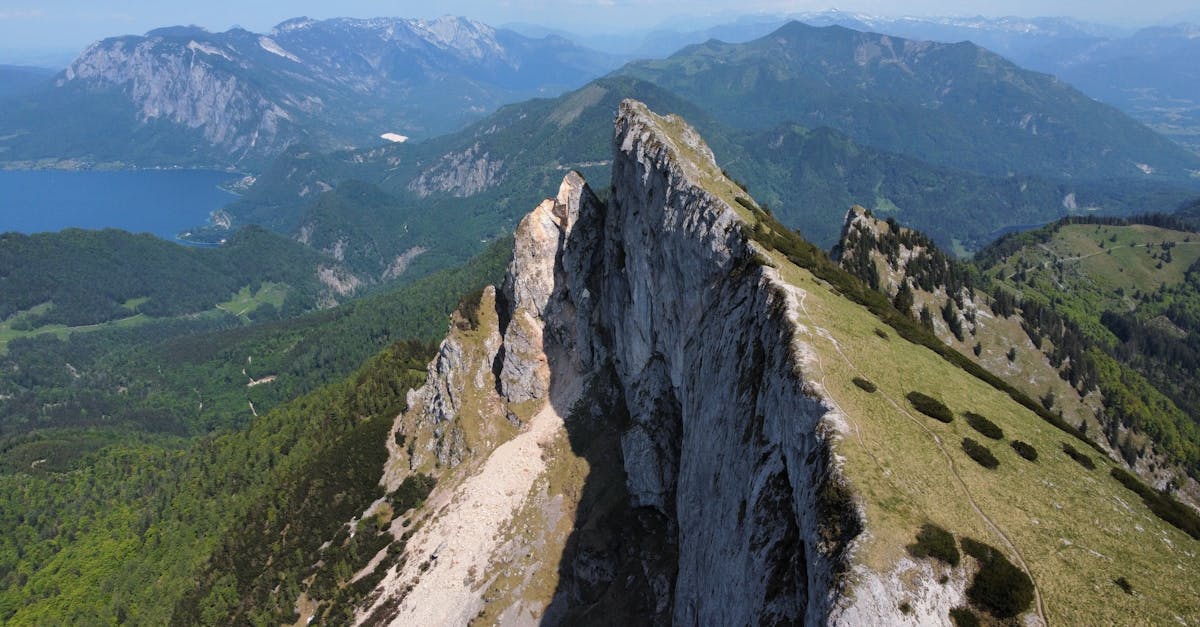
Embarking on a journey through Berchtesgaden National Park is akin to stepping into a postcard of the German Alps, where jagged peaks like the Watzmann pierce the sky and pristine turquoise lakes reflect the surrounding grandeur. Hikers are treated to an extensive network of trails ranging from gentle walks around Königssee to challenging ascents that reward the adventurous with panoramic vistas of untouched wilderness. The air here is crisp and filled with the scent of pine, offering a serene escape from city life as you traverse ancient forests and alpine meadows that have remained largely unchanged for centuries.
Beyond the breathtaking landscapes, this protected area serves as a vital sanctuary for iconic wildlife, most notably the majestic golden eagle and the elusive chamois that navigate the steep cliffs with remarkable agility. While spotting these creatures requires patience and quiet observation, their presence adds a magical dimension to any trekking experience, reminding visitors of the delicate balance of nature in this region. Whether you are listening to the echoes of a marmot's whistle or watching a herd of red deer graze near the forest edge, Berchtesgaden offers an authentic connection to Germany's wild heart that is truly unforgettable.
 This photo was taken by Alan Kabeš on Pexels.
Beyond the Coasts and Mountains: Germany's Diverse Protected Landscapes
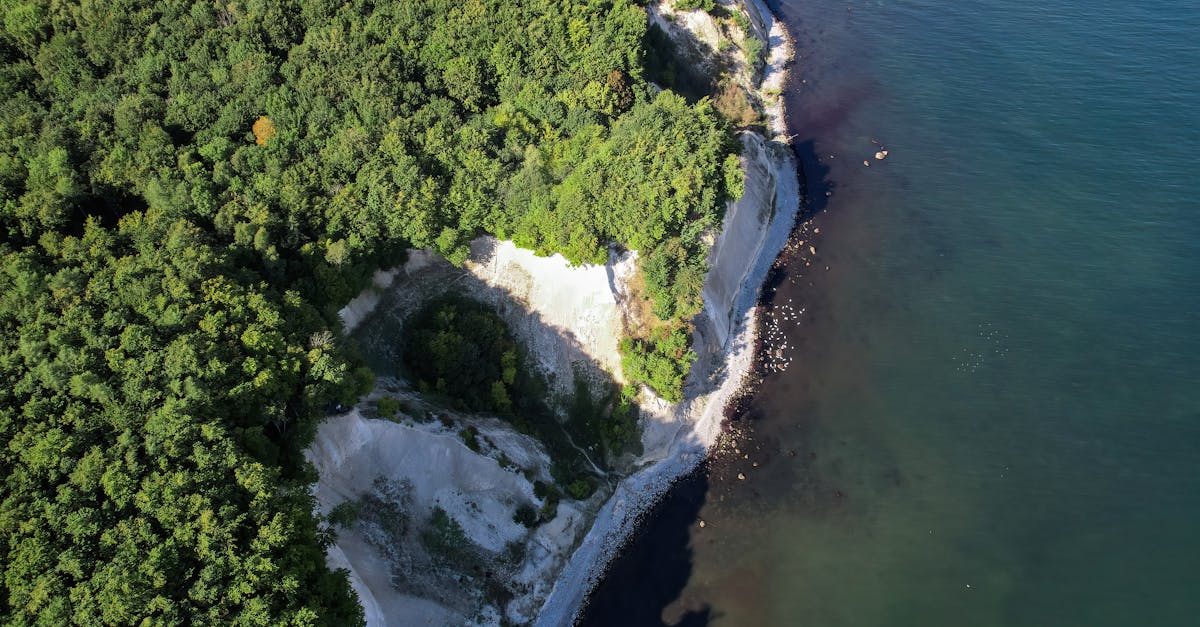
While the dramatic peaks of the Alps and the vast tidal flats of the Wadden Sea often steal the spotlight, Germany's interior boasts a stunning array of protected landscapes that offer equally captivating experiences. Venture into the ancient beech forests of the Jasmund National Park on Rügen Island or explore the rolling hills and deep river valleys of the Hainich National Park, where UNESCO-listed primeval woods provide a serene escape from urban life. These inland sanctuaries are not merely about scenery; they are vital havens for biodiversity, home to elusive species like the Eurasian lynx in the Bavarian Forest and vibrant populations of rare birds in the Lower Saxon Wadden Sea's terrestrial counterparts. Walking through these regions feels like stepping back in time, with well-marked trails inviting you to immerse yourself in the quiet rhythm of nature away from the coastal crowds.
Furthermore, Germany's commitment to conservation extends to unique geological formations and cultural landscapes that tell the story of its diverse history. The Harz Mountains reveal centuries-old mining heritage intertwined with lush woodlands, while the Black Forest offers a tapestry of deep valleys and traditional villages preserved within its national park boundaries. In the south, the Berchtesgaden region transitions seamlessly from alpine meadows to rugged cliffs, serving as a bridge between the high mountains and the gentle foothills. Whether you are hiking along the Danube in the Donau-Auen National Park or wandering through the misty heathlands of the Lüneburg Heath, each destination underscores Germany's dedication to preserving its natural heritage. These protected areas ensure that future generations can continue to discover the country's rich ecological variety, proving that true beauty lies not just at the edges, but in the heart of the land itself.
 This photo was taken by Ivan Nadj on Pexels.