Germany's National Parks: Where Wildlife Roams Free
 This photo was taken by Jean-Paul Wettstein on Pexels.
Welcome to the heart of Germany's wild side, a land where nature is not just preserved but celebrated in its most untamed form. While many travelers flock to our historic cities and charming villages, there is another Germany waiting to be discovered—one defined by vast wetlands, ancient woodlands, and the thrilling return of apex predators. In this post, we embark on a journey through three of our nation's most spectacular National Parks: the tidal wonders of the Wadden Sea, a UNESCO World Heritage site teeming with migratory birds; the deep, misty valleys of the Bavarian Forest, witnessing the remarkable comeback of the wolf; and the mystical Hainich National Park, home to Germany's first ancient beech forest. Prepare to leave the paved roads behind and step into a world where wildlife roams free and silence speaks volumes.
The Wadden Sea: A UNESCO World Heritage Site teeming with Life
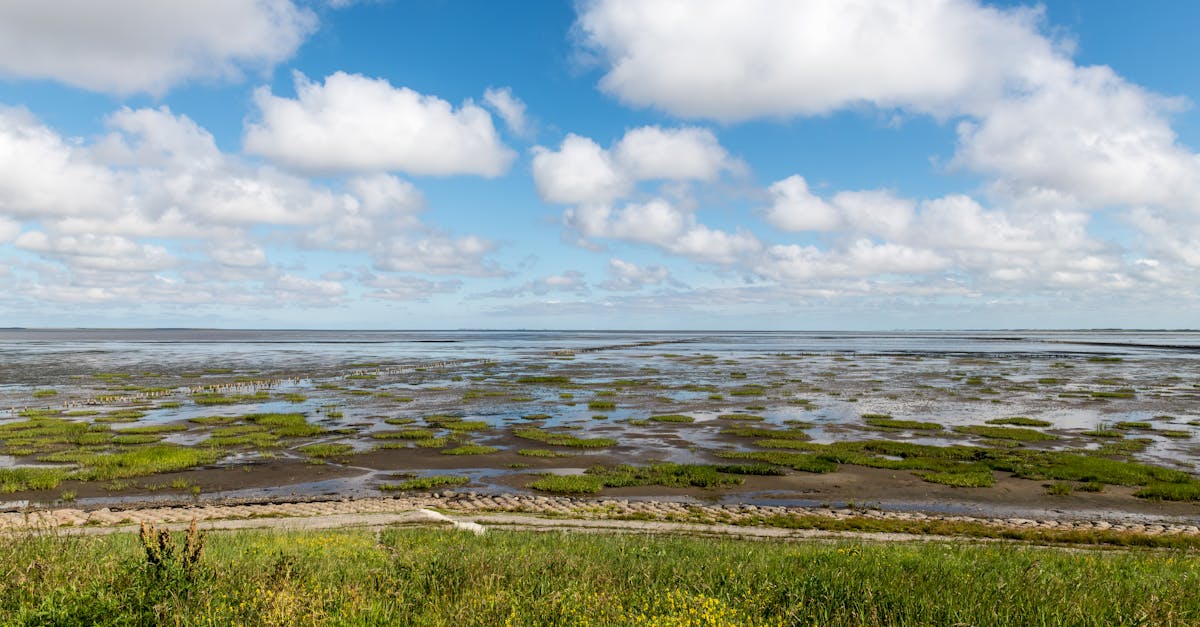
Stretching along the North Sea coast, the Wadden Sea stands as a breathtaking testament to nature's raw power and delicate balance, earning its prestigious status as a UNESCO World Heritage Site. This vast tidal flat ecosystem is not merely a landscape but a living, breathing entity where the rhythm of the tides dictates life itself; during low tide, millions of square meters of mudflats are exposed, revealing a hidden world teeming with invertebrates that serve as a vital buffet for migratory birds. As a crucial stopover on the East Atlantic Flyway, this sanctuary hosts over ten million waterbirds annually, including the iconic grey plover and the majestic barnacle goose, making it one of the most important bird migration areas on the planet.
Exploring the Wadden Sea offers an immersive experience unlike any other, inviting visitors to witness the dynamic interplay between land, sea, and sky in real time. Whether you join a guided wading tour across the firm mudflats or take a boat trip through the winding channels, you will encounter a unique biodiversity that includes seals resting on sandbanks, elusive porpoises darting through the waves, and rare plant species adapted to survive in such harsh conditions. This protected national park exemplifies Germany's commitment to conservation, ensuring that future generations can continue to marvel at a wilderness where wildlife roams free, undisturbed by urban development, creating a truly magical connection between humans and the natural world.
 This photo was taken by Wolfgang Weiser on Pexels.
Bavarian Forest: Where the Wolf Returns to the Wild
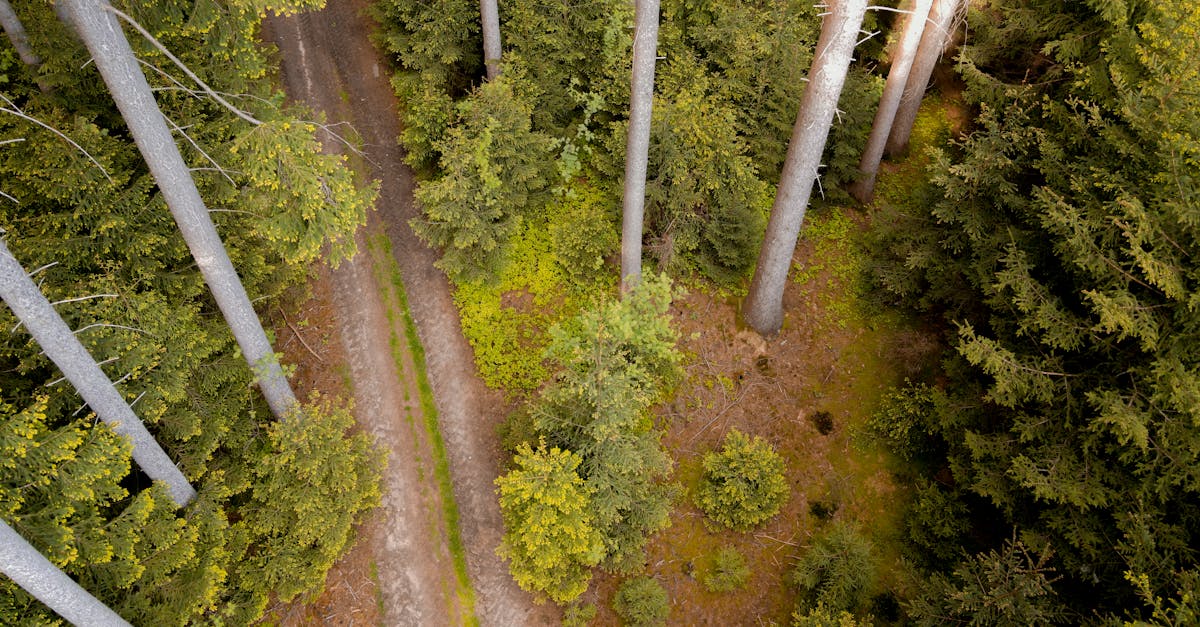
Deep within the mist-shrouded valleys of eastern Bavaria lies the Bavarian Forest National Park, a vast sanctuary where nature has reclaimed its dominion over centuries-old logging operations. As Germany's first national park, established in 1970, it serves as a breathtaking testament to the power of rewilding, featuring ancient spruce stands that have been left untouched for decades to evolve into wild, untamed forests. Here, the air is crisp and filled with the scent of resin and damp earth, inviting visitors to wander along silent trails where the only sounds are the rustling of leaves and the distant call of a tawny owl, offering a serene escape from the bustling cities of Europe.
The most thrilling aspect of this protected landscape is undoubtedly the return of the gray wolf, a species once hunted to near extinction in the region but now thriving again thanks to strict conservation efforts. These majestic predators roam freely across the borderlands between Germany and the Czech Republic, symbolizing a successful ecological restoration that has drawn wildlife enthusiasts from around the globe. While spotting a wolf requires patience and luck, their presence ensures that the Bavarian Forest remains a dynamic ecosystem teeming with life, from red deer grazing in meadows to golden eagles soaring above the canopy, proving that Germany's commitment to preserving its natural heritage is both profound and effective.
 This photo was taken by Tobi &Chris on Pexels.
Hainich National Park: Germany's First Ancient Beech Forest
Step into the misty embrace of Hainich National Park, Germany's very first national park established in 1997, where ancient beech trees have stood as silent sentinels for over 200 years. Unlike many managed forests, this UNESCO World Heritage site is a true wilderness where nature takes precedence, allowing fallen logs to decompose naturally and creating a complex habitat teeming with life. As you wander along the forest floor, you will witness the raw beauty of an ecosystem left undisturbed, characterized by towering trunks draped in moss and a canopy so dense that it filters the sunlight into ethereal beams, offering a serene escape from the modern world.
Beyond its breathtaking scenery, Hainich serves as a vital sanctuary for rare wildlife, including the elusive black woodpecker, which drums on dead trees to find food, and herds of red deer that roam freely across the meadows. To truly appreciate this unique landscape, visitors can ascend the "Klettersteig" climbing trail or the observation tower at the Hohe Acht, which provides panoramic views stretching across the rolling hills of Thuringia. Whether you are a seasoned hiker seeking solitude or a family looking to connect with nature, this ancient forest offers an unforgettable journey back to the roots of Europe's natural heritage.
 This photo was taken by Karl Knips on Pexels.