Germany's Wine Regions: A Sommelier's Guide to Riesling and More
 This photo was taken by tom analogicus on Pexels.
Welcome to the heart of German viticulture, where ancient traditions meet modern excellence. As a local guide who has spent years wandering through vineyards from the banks of the Mosel to the sun-drenched hills of the Pfalz, I am thrilled to invite you on a journey beyond the stereotype of sweet wines. This guide is designed for the true connoisseur, exploring how Germany's unique microclimates and steep slate slopes craft some of the world's most expressive Rieslings. Whether you are seeking the mineral-driven elegance of the Rhine valleys or looking to pair a crisp Kabinett with a hearty regional stew, prepare to discover why Germany is an essential destination for wine lovers. Let us uncork the secrets of these remarkable regions and elevate your understanding of what makes German wine truly exceptional.
Discovering the Mosel: Where Steep Slopes Meet World-Class Riesling
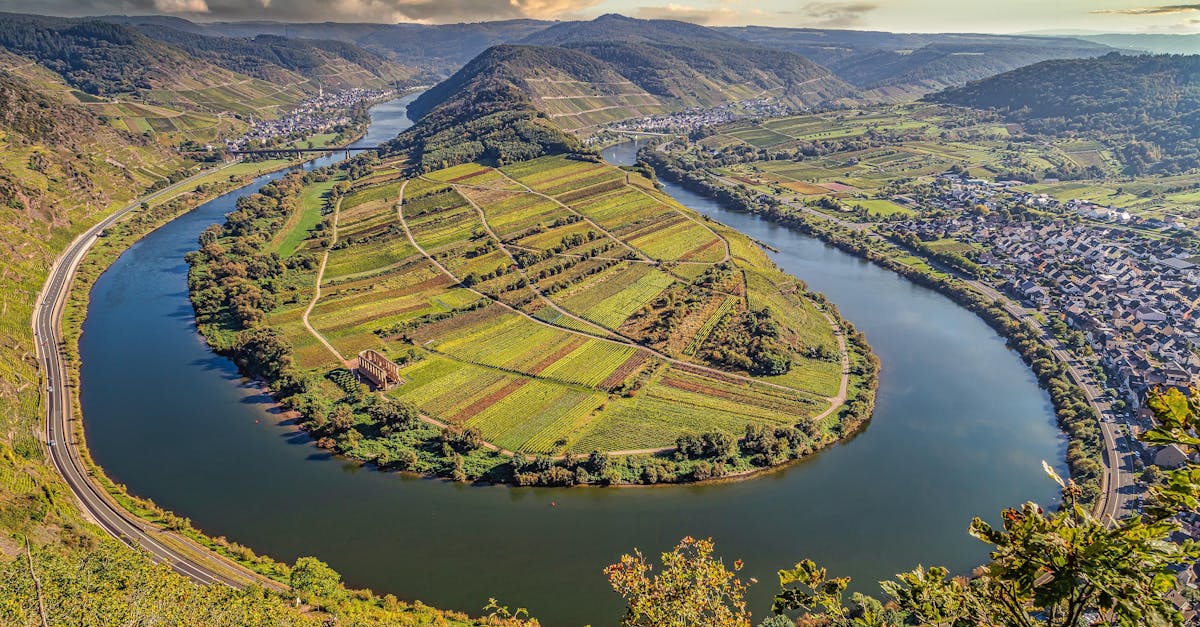
Nestled along the winding ribbon of the Mosel River, this enchanting region offers a landscape where viticulture seems to defy gravity. Here, vineyards cling precariously to steep slate slopes that plunge dramatically into the water, creating a breathtaking tapestry of green and grey that changes with the seasons. These unique geological conditions are not merely picturesque; they are the secret behind the region's signature style, as the dark slate soils absorb solar heat during the day and radiate it back to the vines at night, ensuring perfect ripening even in Germany's northern climate.
The result of this harmonious marriage between land and climate is a world-renowned Riesling that balances electric acidity with delicate floral aromas and hints of white peach or petrol. As you wander through charming villages like Bernkastel-Kues or Cochem, local winemakers invite you to taste these crisp, mineral-driven whites, often paired with regional specialties like river fish or potato dishes. Whether you are hiking the scenic trails that connect the terraced vineyards or enjoying a glass of wine on a riverside terrace, the Mosel offers an immersive sensory experience that defines the very soul of German winemaking.
 This photo was taken by Holger J. Bub on Pexels.
Beyond the Rhine: Exploring the Diverse Terroirs of Rheingau and Pfalz
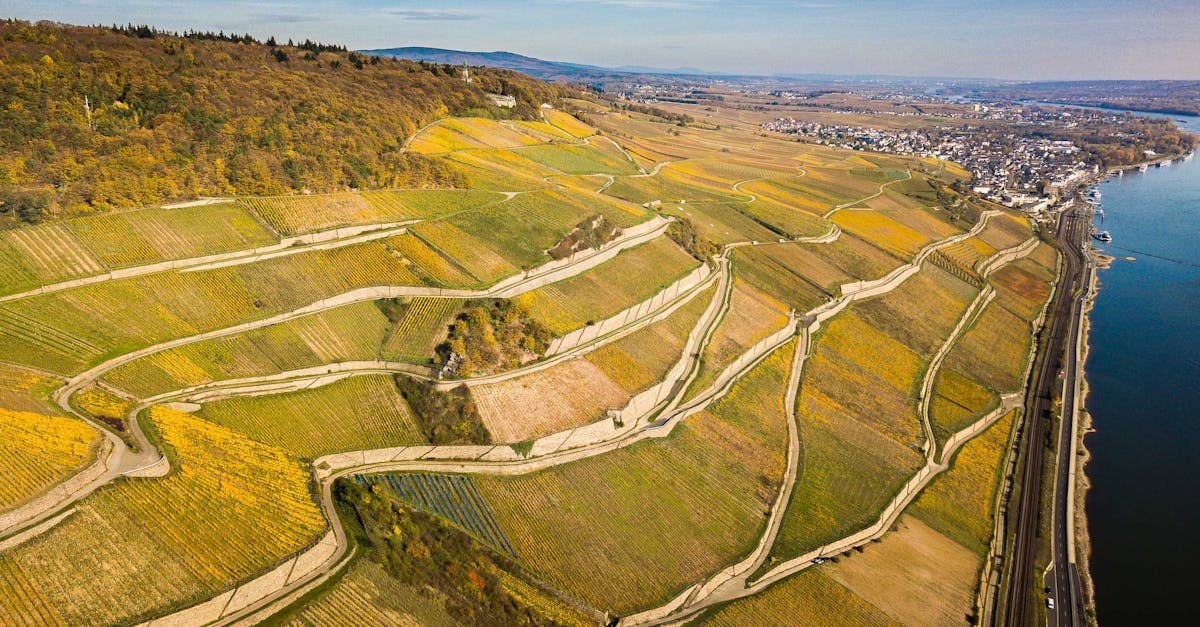
While the Rhine River serves as the glittering artery of German viticulture, venturing slightly inland reveals the distinct soul of the Rheingau and Pfalz regions. In the Rheingau, a narrow strip where the river turns westward, the climate is uniquely mild, allowing Riesling to ripen with an elegant balance of acidity and stone-fruit intensity that defines this area's prestigious vineyards like Schloss Johannisberg. Just to the south lies the Pfalz, Germany's second-largest wine region, which basks in one of the warmest microclimates in the country; here, the landscape transitions from rolling hills to the gentle slopes of the Haardt mountains, creating a diverse terroir where Riesling shines alongside robust Silvaner and vibrant red varieties like Spätburgunder (Pinot Noir).
Exploring these regions offers a sensory journey far beyond the standard tasting room experience, inviting travelers to immerse themselves in a culture where wine is deeply woven into daily life and local cuisine. In the Pfalz, known affectionately as "Germany's Wine Garden," visitors can wander through quaint villages such as Forst or Deidesheim, savoring hearty dishes paired with crisp white wines under the shade of ancient chestnut trees. Meanwhile, the Rheingau presents a more aristocratic yet welcoming atmosphere, perfect for cycling along the famous Wine Route while stopping at historic estates that have produced world-class vintages for centuries. Whether you are seeking the mineral-driven precision of a Rheingau Riesling or the fruity, full-bodied character of a Pfalzer Gewürztraminer, these landscapes promise an unforgettable adventure for every wine enthusiast.
 This photo was taken by Lana Kravchenko on Pexels.
A Sommelier's Pairing Guide: Matching German Wines with Local Cuisine
When exploring Germany's culinary landscape, few pairings are as harmonious as the crisp, mineral-driven notes of a Mosel Riesling with local delicacies like Hähnchenbrust in Zitronensauce (chicken breast in lemon sauce) or delicate fish dishes from the North Sea coast. The high acidity and subtle sweetness found in many German Rieslings act as a perfect counterpoint to the region's signature creamy sauces and rich buttery preparations, cleansing the palate between bites while amplifying the fresh herbs often used in Swabian and Bavarian kitchens. For those venturing into the warmer climates of the Pfalz or Baden, consider pairing a full-bodied Spätburgunder (Pinot Noir) with hearty game meats or dark, earthy mushroom risottos, where the wine's red fruit flavors and soft tannins complement the robust textures without overpowering the dish.
Beyond white wines, the diverse regional cuisines of Germany offer surprising opportunities for pairing with lesser-known varietals such as Grauburgunder (Pinot Gris) or Weißburgunder (Pinot Blanc), which shine brilliantly alongside the country's famous pork-based traditions. A slightly off-dry Silvaner from Franken pairs exceptionally well with Schweinshaxe (roasted pork knuckle) and sauerkraut, its earthy undertones bridging the gap between the savory meat and the tangy fermented cabbage. Whether you are dining on a rustic tavern menu in the Black Forest or enjoying a refined tasting menu in Berlin, understanding these classic combinations will elevate your gastronomic journey, transforming a simple meal into a sophisticated celebration of Germany's viticultural heritage.
 This photo was taken by Erik Mclean on Pexels.