Historic Routes: Walking in the Footsteps of the Industrial Revolution
 This photo was taken by Loic Van Montagu on Pexels.
Welcome to the heart of Germany's industrial soul, where the rhythmic clanking of machinery has been replaced by the serene footsteps of hikers and cyclists. While many travelers flock to our castles and cathedrals, there is a profound narrative waiting to be discovered in the smokestacks, blast furnaces, and vast mining complexes that once powered Europe. In this journey through "Historic Routes," we invite you to explore how coal and steel shaped not only an economy but also a landscape that has undergone a remarkable metamorphosis. From the sprawling expanse of the Ruhr Valley to the architectural marvel of Zollverein, and finally along the revitalized trails that now wind through former factories, discover how Germany has transformed its gritty past into a vibrant cultural heritage for the modern world.
The Ruhr Valley: A Landscape Transformed by Coal and Steel
Once the beating heart of German industry, the Ruhr Valley stands as a powerful testament to the region's dramatic metamorphosis from a dense network of coal mines and steel mills into one of Europe's most vibrant cultural landscapes. Walking through this area today, you will encounter towering structures like the Zollverein Coal Mine Industrial Complex in Essen, a UNESCO World Heritage site where the ghostly silhouettes of coking plants and winding conveyor belts now house museums, art galleries, and even a climbing wall. The air still carries the faint echo of steam whistles, but it is now filled with the laughter of families exploring repurposed industrial heritage sites that tell the story of the thousands of workers who powered Germany's rise.
What makes the Ruhr Valley truly unique for a traveler interested in history is how seamlessly the scars of the Industrial Revolution have been woven into modern life. The Emscher River, once choked by pollution, has been revitalized into a green corridor connecting parks and recreational areas, while former factory floors have been transformed into event spaces and creative hubs. Whether you are strolling along the Westphalian Way or cycling the Emscher Cycle Path, you are not just observing relics of the past; you are walking through a living museum where the heavy machinery of yesteryear now serves as the backdrop for contemporary culture, proving that the spirit of innovation remains alive long after the furnaces have cooled.
 This photo was taken by Dzmitry Charnou on Pexels.
Zollverein: Where Industrial Heritage Meets Modern Art
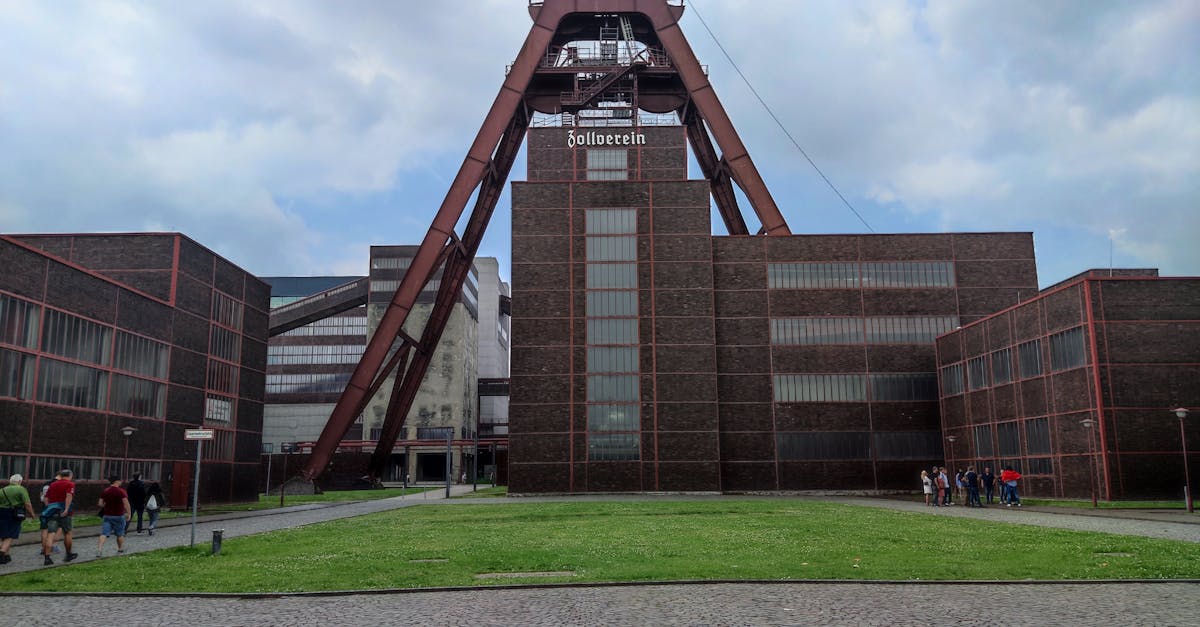
Step into the monumental world of the Zollverein Coal Mine Industrial Complex in Essen, a UNESCO World Heritage site that stands as a powerful testament to Germany's industrial might. What was once the beating heart of Europe's largest coal mine and coking plant has been transformed into a breathtaking landscape of red brick architecture and towering steel structures. As you wander through the vast courtyards and along the preserved conveyor bridges, the sheer scale of 19th-century engineering becomes palpable, offering a unique perspective on the lives of the miners who fueled the nation's growth during the Industrial Revolution.
Today, this historic powerhouse seamlessly blends its gritty past with a vibrant contemporary culture, serving as a dynamic hub for modern art and design. The iconic Coking Plant now houses the Red Dot Design Museum, while the former washery features an impressive exhibition space dedicated to architectural innovation. By day, visitors can explore the intricate details of industrial history; by night, the complex often transforms with light installations and cultural events, proving that the spirit of industry never truly sleeps but rather evolves into a celebration of human creativity and heritage.
 This photo was taken by You Know What Blog on Pexels.
From Factories to Footpaths: Germany's Revitalized Industrial Trails
Germany's industrial heritage has undergone a remarkable transformation, turning once-noisy factory floors and smog-choked valleys into serene landscapes of discovery. What were once the beating hearts of heavy industry, from the coal mines of the Ruhr Valley to the textile mills of Saxony, now serve as the foundation for an extensive network of walking trails that invite visitors to explore the nation's economic past. These revitalized routes, such as the Emscher Landscape Park or the Iron Curtain Trail in parts of eastern Germany, seamlessly weave through repurposed steel structures, converted warehouses, and restored canals, offering a unique juxtaposition where the rugged charm of machinery meets the tranquility of nature.
As you stroll along these footpaths, the journey becomes an immersive narrative of resilience and reinvention, where interpretive signage and interactive exhibits bring the stories of workers and engineers to life without the need for traditional museums. Whether you are hiking through the green corridors of the Zollverein Coal Mine Industrial Complex in Essen or tracing the old railway lines of the Harz region, each step reveals how Germany has successfully integrated its industrial identity into modern tourism. This evolution not only preserves the architectural grandeur of the Industrial Revolution but also fosters a deeper appreciation for the communities that built them, making every walk a meaningful exploration of history, culture, and sustainable renewal.
 This photo was taken by Jean-Paul Wettstein on Pexels.