History Buffs' Delight: WWII Sites and Memorial Museums
 This photo was taken by Bruno Kraler on Pexels.
Welcome to a journey through Germany's most profound historical chapters. While our nation is often celebrated for its vibrant culture, stunning landscapes, and rich traditions, it also holds a complex past that demands remembrance and reflection. For history enthusiasts, this guide offers an intimate look at the sites where World War II unfolded and where the lessons of that era are preserved today. From the symbolic transformation of Berlin's Reichstag to the solemn memorials dedicated to Holocaust victims across the country, and finally to the haunting reality of Dachau, we invite you to explore these essential destinations with respect and understanding. These places are not merely relics of a dark time; they are powerful reminders of resilience, human rights, and the enduring importance of never forgetting.
The Reichstag: From Ruin to Rebirth
 This photo was taken by Erik Mclean on Pexels.
Memorial Sites of the Holocaust in Berlin and Beyond
In the heart of Berlin, the memorial landscape offers a profoundly moving journey through one of history's darkest chapters. The Holocaust Memorial, with its vast field of concrete stelae, creates an immersive and disorienting atmosphere that forces visitors to confront the sheer scale of the tragedy without a single word of explanation. Just steps away, the Topography of Terror documentation center stands on the former grounds of the Gestapo headquarters, providing a stark juxtaposition between the brutal machinery of the Nazi regime and the quiet resilience of those who survived. These sites are not merely museums but active spaces of remembrance where guided tours and personal testimonies bring the historical facts to life, ensuring that the voices of the victims continue to echo through the city streets.
Beyond the capital, Germany is dotted with significant sites that offer deeper insights into the systematic persecution during World War II. A short train ride north leads to Sachsenhausen near Oranienburg, a preserved concentration camp where original barracks and gas chambers remain intact, serving as a somber reminder of the industrialized murder that took place there. For those seeking a more comprehensive understanding of the era, the memorials in Dachau, located just outside Munich, stand as the first and largest concentration camp established by the Nazis, offering extensive exhibitions on the lives of prisoners and the liberation of the camp by American troops. Visiting these locations provides a crucial context to the national narrative, allowing history enthusiasts to engage with the past in a respectful and educational manner that transcends borders.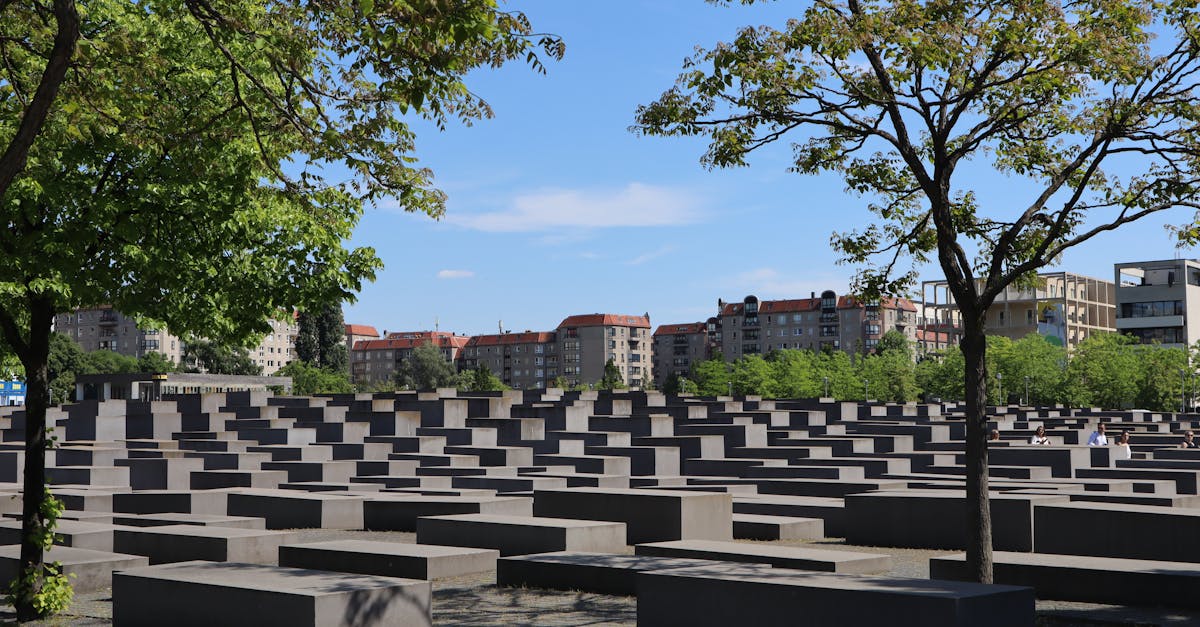 This photo was taken by Travel Photographer on Pexels.
Dachau Concentration Camp: A Solemn Journey into History
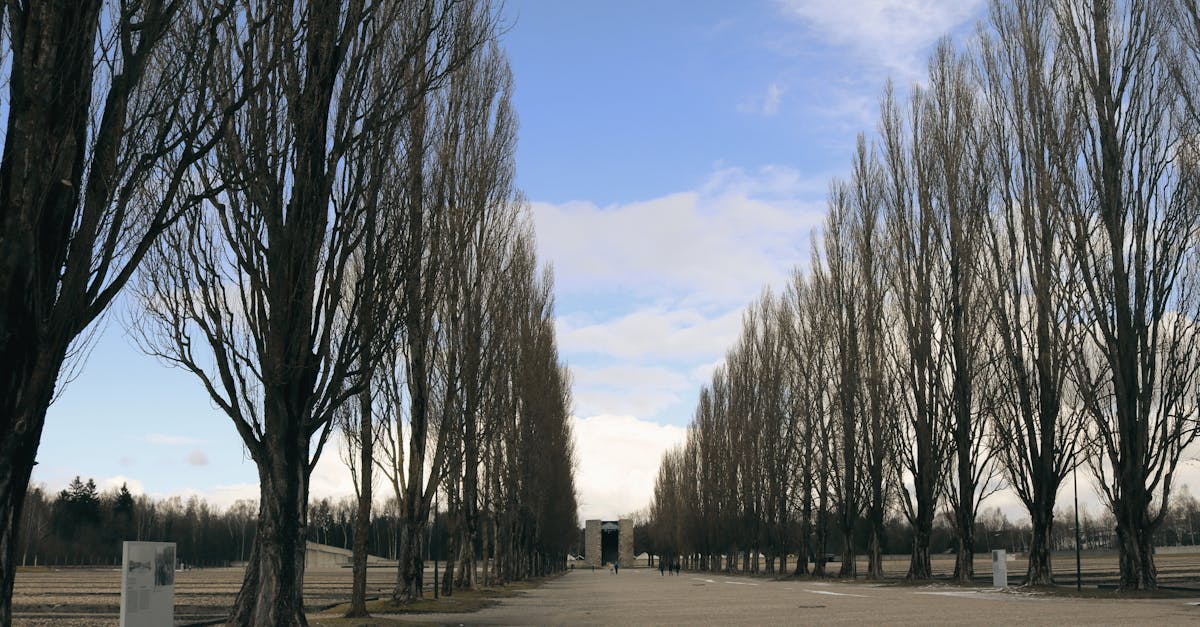
Just a short train ride from Munich, the Dachau Concentration Camp Memorial Site stands as a stark and essential reminder of the atrocities committed during the Nazi regime. As Germany's first concentration camp, established in 1933, it serves not merely as a historical footnote but as a profound testament to human resilience and the catastrophic consequences of hatred. Visitors are guided through meticulously preserved barracks, the infamous gas chamber replica, and the crematorium, each space designed to evoke a deep sense of reflection on the suffering endured by over 40,000 prisoners who perished within these walls.
A visit here is far more than a tour; it is a solemn journey that demands emotional engagement and quiet contemplation. The memorial museum offers extensive archives, personal testimonies, and educational exhibits that illuminate the systematic dehumanization of the victims while honoring their memory. For history enthusiasts, this site provides an unparalleled opportunity to understand the dark chapters of World War II, fostering a commitment to peace and human rights that resonates long after one leaves the grounds, making it a pivotal stop for anyone seeking to grasp the true weight of our shared past.
 This photo was taken by Bruna Santos on Pexels.