Industrial Heritage: Exploring the Ruhr Valley's Transformation
 This photo was taken by Emmanuel Codden on Pexels.
Welcome to the heart of Germany's industrial past and its vibrant future. Once synonymous with towering smokestacks and relentless coal production, the Ruhr Valley has undergone one of Europe's most remarkable transformations. Today, this region invites travelers to step into a unique landscape where heavy industry meets contemporary culture and lush greenery. In this post, we will journey through the visionary Emscher Park Project, explore the architectural marvels of Zollverein and the immersive stories at the Ruhr Museum, and discover how nature is reclaiming the land in the Rhine-Ruhr region. Get ready to uncover a destination that proves history can be not just preserved, but reinvented.
From Coal Mines to Cultural Landmarks: The Emscher Park Project
From Coal Mines to Cultural Landmarks: The Emscher Park Project
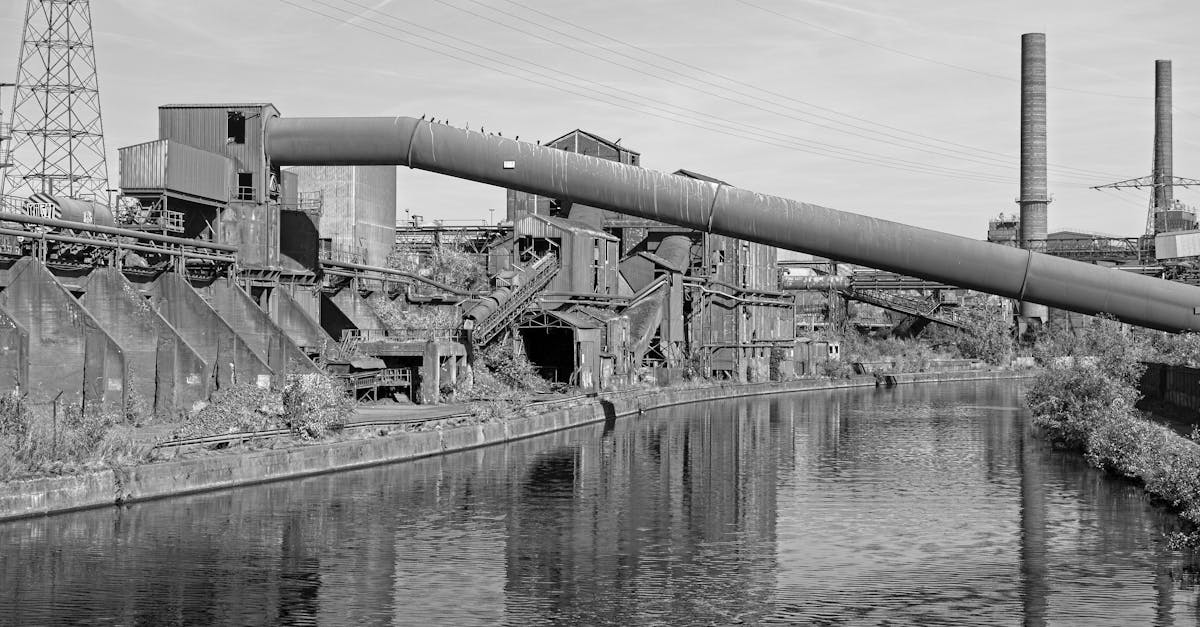
In the heart of Germany's Ruhr Valley, a remarkable metamorphosis has turned once-dominant coal mines and steel mills into vibrant cultural landmarks through the visionary Emscher Park initiative. What was once an industrial powerhouse shrouded in soot is now a sprawling green network where nature reclaims its space alongside preserved industrial relics. Visitors can wander through the Landschaftspark Duisburg-Nord, where massive gasometers have been transformed into diving towers and climbing walls, or stroll along the Emscher River, which has been cleaned up to support diverse wildlife while flanked by old factory chimneys that now serve as dramatic backdrops for contemporary art installations.
This ambitious project, spanning over 30 years, does not merely preserve history but actively integrates it into modern life, creating a unique destination that appeals to both history buffs and outdoor enthusiasts. The transformation includes converting abandoned railway lines into scenic hiking trails and repurposing former coke ovens into event venues, proving that industrial heritage can be a catalyst for economic and social renewal. As you explore this region, you will witness how Germany has successfully rewritten its narrative, turning the scars of heavy industry into a celebrated tapestry of culture, ecology, and community engagement that defines the spirit of the Ruhr today.
 This photo was taken by Erik Mclean on Pexels.
Walking Through History at Zollverein and the Ruhr Museum
 This photo was taken by Ryszard Zaleski on Pexels.
Green Revival: How Industry Meets Nature in the Rhine-Ruhr Region
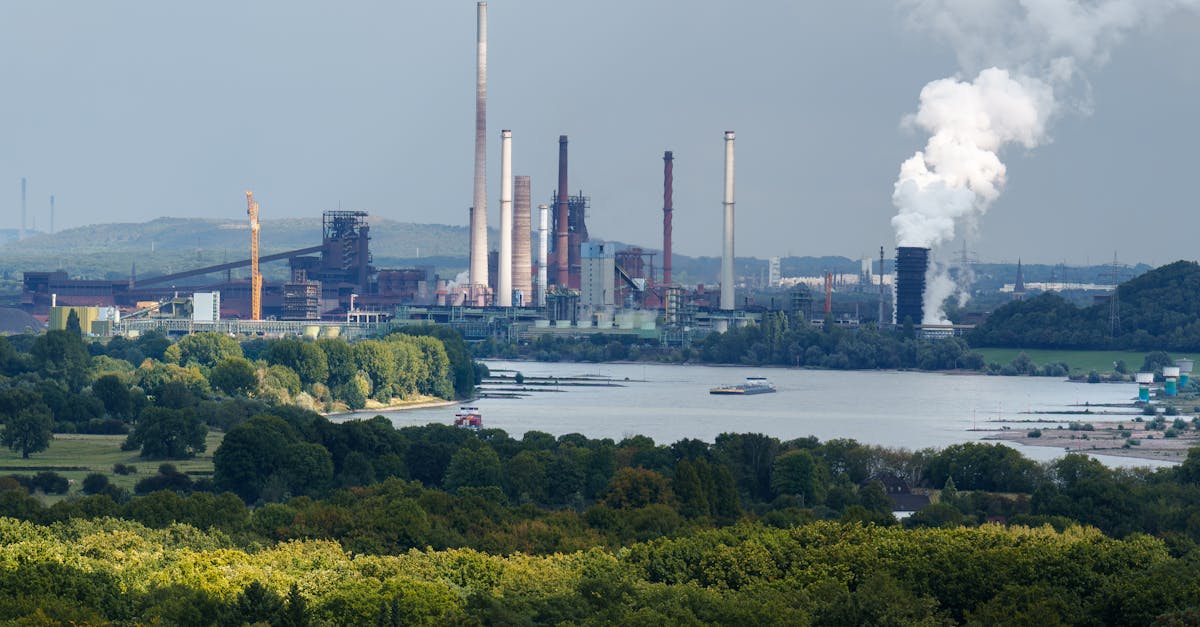
The Rhine-Ruhr region stands as a powerful testament to the possibility of ecological redemption, where once-dominant smokestacks now frame lush parks and serene waterways. In Duisburg, the Landschaftspark Nord has transformed a colossal steelworks into a vibrant public space, complete with climbing structures made from old blast furnaces and swimming pools nestled within cooling towers. This unique fusion allows visitors to hike through verdant landscapes that were once industrial wastelands, witnessing how nature has quietly reclaimed the earth while preserving the monumental architecture of the past. The air here is no longer thick with coal dust but filled with the scent of blooming gardens and the rustle of trees thriving in reclaimed soil.
Beyond individual sites, the entire Emscher River system serves as a breathtaking example of large-scale environmental engineering, turning a polluted drainage ditch into a living corridor for wildlife and recreation. Today, cyclists and hikers follow the Emscher Cycle Path, which winds through former mining towns now dotted with community gardens and wetlands teeming with birds. This "Green Revival" demonstrates that Germany's industrial heritage is not just about remembering what was lost, but celebrating what has been built anew—a harmonious landscape where heavy industry meets biodiversity, offering travelers an inspiring glimpse into a sustainable future rooted in history.
 This photo was taken by Jakub Zerdzicki on Pexels.