Industrial Heritage: Visiting the Zollverein Coal Mine and Ruhr Valley
 This photo was taken by Michael on Pexels.
Welcome, travelers! If you are looking to discover the soul of Germany beyond its fairy-tale castles and Alpine peaks, look no further than the heart of the Ruhr Valley. Once the beating industrial engine of Europe, this region has undergone a breathtaking metamorphosis from coal and steel to culture and creativity. In today's post, we invite you on a journey through time at the Zollverein Coal Mine Industrial Complex, a UNESCO World Heritage Site that stands as a testament to human ingenuity. We will explore how this landscape transformed from a hub of heavy industry into a vibrant cultural district, uncovering architectural marvels that defy expectation. Finally, we'll guide you to the modern art installations and exhibitions that now breathe life into these historic structures. Get ready to step into a world where the past powers the present!
The UNESCO World Heritage Site: A Journey Through Time at Zollverein
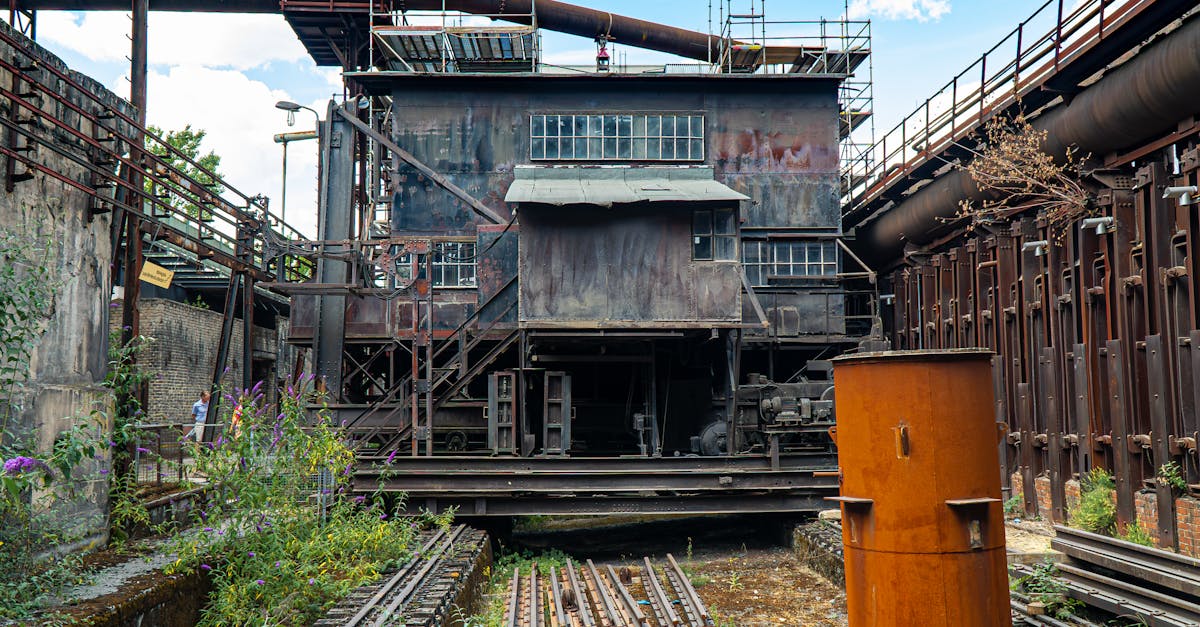
Stepping into the Zollverein Coal Mine Industrial Complex in Essen feels like entering a monumental sculpture garden where the raw power of the 20th century is frozen in time. Once the crown jewel of the Ruhr Valley's coal industry, this site now stands as a testament to human ingenuity and the relentless rhythm of industrialization. The iconic red brick structures, designed by architect Fritz Schupp and Martin Kremmer, create a striking visual harmony that contrasts beautifully with the surrounding greenery, while the towering headframes still dominate the skyline as silent sentinels of a bygone era. Visitors can wander through the vast coking plant and descend into the deep shafts, experiencing the sheer scale of operations that once powered Germany's economic miracle.
As you explore this UNESCO World Heritage Site, the journey transforms from a simple tour into a profound reflection on how industrial landscapes can be reborn. The complex has been masterfully repurposed without losing its gritty authenticity; the former coal washery now houses the Design Center, and the gasometers serve as unique venues for art exhibitions and concerts. Walking through these halls, you are not just observing history but participating in a living narrative where the past informs the present, proving that even the most imposing symbols of heavy industry can evolve into vibrant cultural hubs that celebrate creativity and innovation alongside their industrial roots.
 This photo was taken by Jean-Paul Wettstein on Pexels.
From Coal to Culture: Experiencing the Ruhr Valley's Industrial Transformation
Once the beating heart of Germany's industrial might, the Ruhr Valley has undergone a remarkable metamorphosis from a landscape dominated by coal dust and steel smoke into a vibrant cultural hub. At the center of this transformation stands Zollverein Coal Mine Industrial Complex in Essen, a UNESCO World Heritage site that now serves as a stunning monument to the region's past. Visitors can explore the hauntingly beautiful architecture of the coking plant, where the iconic red brick structures and towering cooling towers stand as silent sentinels of an era that built modern Europe, while guided tours delve deep underground to reveal the gritty reality of miners' lives just as they were decades ago.
Today, however, the spirit of the Ruhr is defined not by extraction, but by creativity and reinvention. The industrial giants have been repurposed into dynamic spaces for art, design, and leisure; the former gasometer now houses one of Europe's largest indoor climbing walls, while the converted coke ovens host avant-garde exhibitions and concerts. This unique fusion of heavy industry and contemporary culture invites travelers to walk through open-air museums, cycle along green corridors that once carried freight trains, and experience how a post-industrial region has successfully rewritten its narrative, proving that heritage can be both preserved and celebrated in the most unexpected ways.
 This photo was taken by Alena Sharkova on Pexels.
Architectural Marvels and Modern Art: What to See Beyond the Mines
While the imposing red-brick structures and towering headframes of Zollverein Coal Mine offer a profound glimpse into the region's industrial past, the surrounding Ruhr Valley has seamlessly transformed these relics into vibrant canvases for contemporary creativity. The former coal washery now houses the Museum Folkwang, where cutting-edge modern art exhibitions challenge visitors to reinterpret the space through the lens of current cultural dialogues. Just nearby, the Landschaftspark Duisburg-Nord stands as a testament to adaptive reuse, where rusted gasometers have been repurposed into climbing towers and underwater diving sites, creating a unique intersection where heavy industry meets avant-garde sculpture and performance art.
Beyond the immediate confines of the UNESCO World Heritage site, the entire Emscher Park network serves as an open-air gallery that celebrates this architectural metamorphosis. You can wander through the Gasometer Oberhausen, a colossal cylinder that hosts immersive light installations by renowned artists like James Turrell, offering a surreal experience that contrasts sharply with the mine's gritty history. As you explore the area, keep an eye out for the sleek, glass-and-steel additions integrated into old factory shells, such as those at the Jahrhunderthalle Bochum, which prove that the spirit of innovation in the Ruhr is not confined to the past but continues to evolve, inviting tourists to witness a dynamic landscape where steel beams dance alongside digital projections.
 This photo was taken by Erik Mclean on Pexels.