Medieval Charm: Exploring Germany's Best-Preserved Old Towns
 This photo was taken by Sabine Freiberger on Pexels.
Welcome to the heart of Germany, where history isn't just preserved in museums but lives and breathes within its very stones. From the fairy-tale allure of half-timbered houses lining winding alleys to the grandeur of imperial architecture, our nation offers a captivating journey back in time that feels almost suspended in an era long past. In this post, we invite you to leave the modern world behind and step into the medieval charm of Germany's best-preserved old towns. Whether you are wandering through the fortified walls of Rothenburg ob der Tauber, marveling at the architectural symphony of Regensburg's UNESCO World Heritage Center, or discovering the quiet secrets tucked away in Quedlinburg and Weimar, prepare to be enchanted by stories waiting to be told on every cobblestone corner.
Roaming the Cobblestone Streets of Rothenburg ob der Tauber
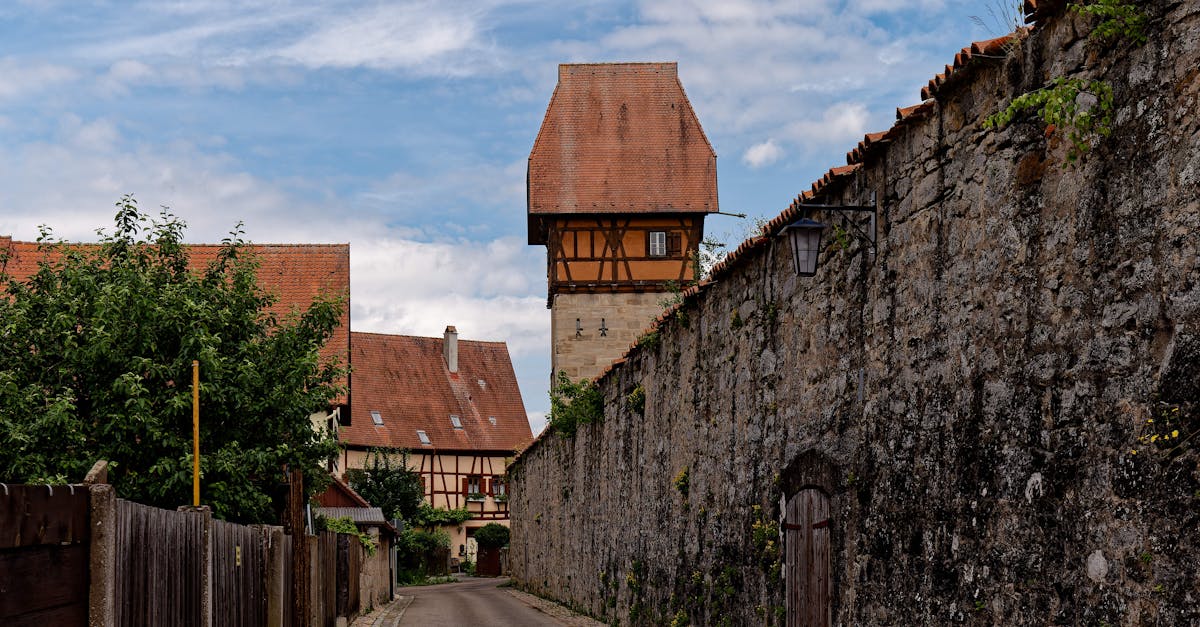
Wandering through the winding, cobblestone lanes of Rothenburg ob der Tauber feels like stepping directly into a fairytale, where time seems to have stood still since the Middle Ages. As you trace your path along the well-preserved city walls, you are greeted by half-timbered houses painted in soft pastels and vibrant reds, their intricate wooden beams telling stories of guilds and merchants from centuries past. The air is often filled with the sweet aroma of fresh gingerbread and roasted almonds drifting from the quaint shops lining the market square, while the rhythmic clatter of horse-drawn carriages echoes off the ancient stones, offering a romantic and authentic glimpse into Germany's rich historical tapestry.
No visit to this enchanting town would be complete without exploring its hidden courtyards and visiting the iconic Plönlein, a picturesque corner where two narrow streets converge at a perfect right angle, framed by the Torture Museum and the St. James' Church. Whether you choose to stroll along the ramparts for panoramic views of the rolling Franconian countryside or lose yourself in the labyrinthine alleys that hide secret fountains and medieval gates, every turn reveals a new layer of charm that has kept Rothenburg as one of Europe's most beloved destinations. It is a place where history is not just observed but experienced, inviting travelers to slow down and immerse themselves in the timeless magic of a perfectly preserved old town.
 This photo was taken by Péter Kövesi on Pexels.
Time Travel in Regensburg's UNESCO World Heritage Center
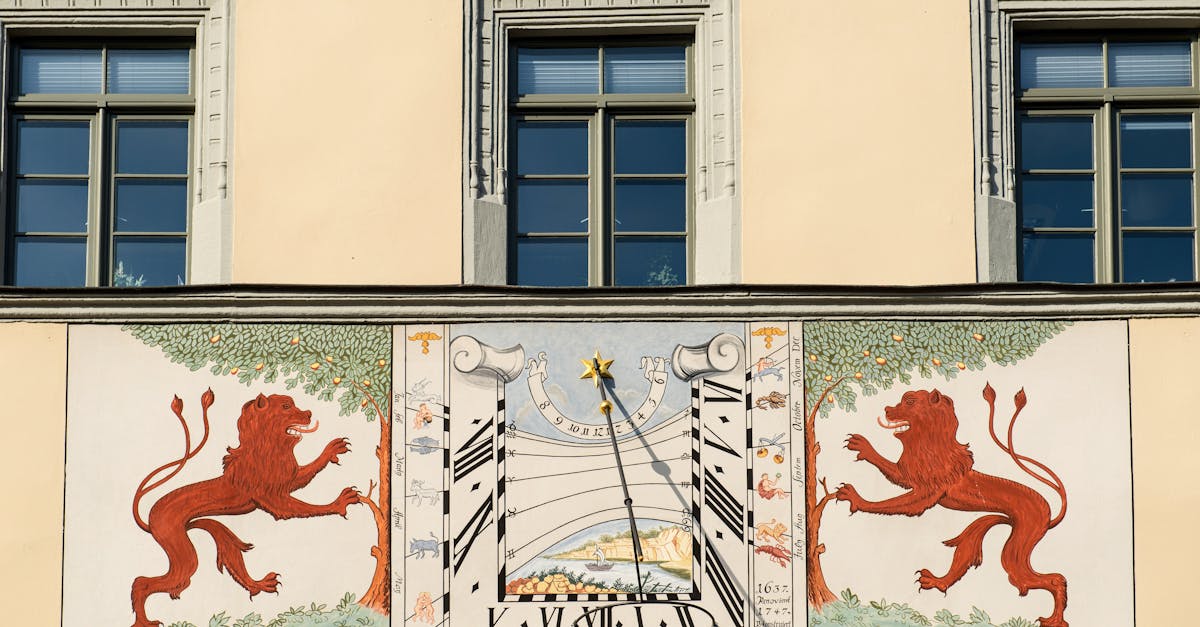
Stepping into Regensburg's UNESCO World Heritage Center feels less like walking through a city and more like pressing pause on the passage of time itself. The medieval charm here is palpable in every cobblestone street, where the towering stone walls of the Stone Bridge (Steinerne Brücke) from the 12th century still span the Danube, connecting a past that has remained remarkably intact to the present day. As you wander through the narrow alleyways lined with half-timbered houses, the bustling atmosphere of modern Germany fades away, replaced by the ghostly echoes of merchants, knights, and scholars who once trod these same paths. The iconic Domplatz, dominated by the soaring Gothic spires of St. Peter's Cathedral, offers a breathtaking backdrop that transports visitors back to an era when this city was a vital hub of trade and culture along the Silk Road.
This living museum extends far beyond its architectural grandeur, offering an immersive experience where history breathes through every corner. From the ancient Roman foundations visible beneath the floorboards of the town hall to the well-preserved monasteries and guildhalls that tell tales of religious devotion and civic pride, Regensburg serves as a perfect vessel for a journey through centuries. Visitors can easily lose track of time while exploring the labyrinthine Old Town, discovering hidden courtyards, quaint cafes serving traditional Bavarian fare, and museums that bring the Middle Ages vividly to life. It is a rare destination where the boundary between the historical narrative and the tourist experience dissolves, allowing travelers to truly inhabit the medieval world without leaving the heart of Bavaria.
 This photo was taken by Wolfgang Weiser on Pexels.
Hidden Gems: The Quaint Old Towns of Quedlinburg and Weimar
Just a short train ride from the bustling capital, Quedlinburg offers a mesmerizing glimpse into the Middle Ages with its 1,300 timber-framed houses that seem to lean affectionately against one another in the cobblestone lanes. As Germany's first UNESCO World Heritage site, this Saxon town feels frozen in time, where the half-timbered architecture creates a kaleidoscope of colors that shift beautifully under the German sun or the soft glow of evening lanterns. Visitors can wander past the imposing Romanesque castle perched atop the hill, explore the narrow alleyways lined with artisan shops selling traditional crafts, and lose themselves in the quiet charm of the Old Town, which remains remarkably unspoiled by modern commercialization.
Nestled in the heart of Thuringia, Weimar presents a different kind of historic allure, blending Renaissance elegance with an unparalleled legacy as the cradle of German culture and the Enlightenment. While famous for its literary giants like Goethe and Schiller, the city's old quarters invite tourists to stroll through serene courtyards and admire the distinctive red sandstone buildings that house museums dedicated to art, design, and history. Unlike many other tourist hotspots, Weimar maintains a contemplative atmosphere where the grandeur of the ducal palaces sits harmoniously alongside quiet gardens and tree-lined promenades, offering a profound sense of intellectual and aesthetic discovery amidst impeccably preserved medieval and baroque structures.
 This photo was taken by Radek Przybyłek on Pexels.