Medieval Towns You Must Visit Before They Get Too Crowded
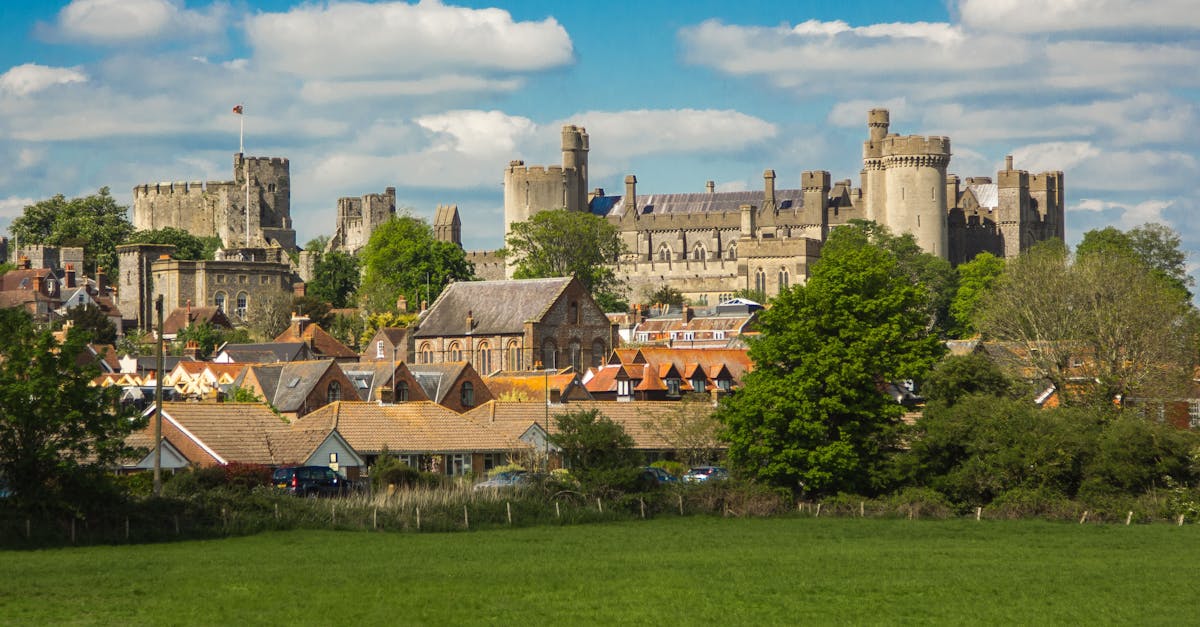 This photo was taken by Pixabay on Pexels.
Welcome to a journey through time, where cobblestone streets whisper tales of knights and merchants, and half-timbered houses lean together as if sharing ancient secrets. As a guide who has walked the historic paths of Germany for years, I often see travelers rushing from one major city to another, missing the quiet magic that awaits in our preserved medieval gems. These towns offer an enchanting escape into a bygone era, yet their popularity is growing rapidly. In this post, we will explore three extraordinary destinations—Rothenburg ob der Tauber, Regensburg, and Quedlinburg—that you should visit while they still retain their intimate charm before the crowds become overwhelming. Get your walking shoes ready; history is waiting just around the corner.
Rothenburg ob der Tauber: A Timeless Fairy Tale
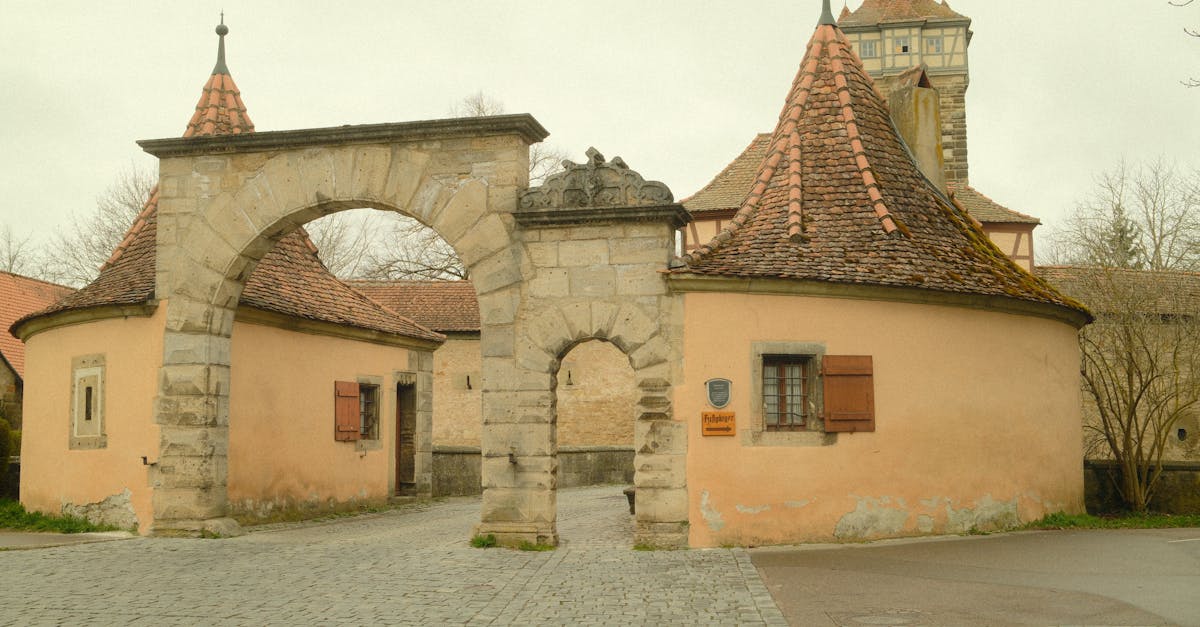
Nestled along the romantic Tauber River, Rothenburg ob der Tauber stands as the crown jewel of Germany's medieval heritage, offering visitors a breathtaking journey back to the 14th century. With its impeccably preserved half-timbered houses, cobblestone streets that seem to whisper ancient secrets, and towering ramparts that still encircle the old town, this settlement feels less like a modern tourist attraction and more like a living storybook illustration. As you wander through the narrow alleys, passing by colorful guildhalls and the iconic Plönlein corner with its double tower view, the air is filled with the scent of fresh gingerbread and the distant chime of church bells, creating an atmosphere so enchanting it is easy to forget you are in the 21st century.
However, the magic of Rothenburg comes with a ticking clock; as popularity surges among travelers seeking authentic German charm, the very tranquility that defines this fairy tale destination is increasingly at risk. While the town remains a must-visit for history enthusiasts and photographers alike, the sheer volume of daily visitors can sometimes overshadow the intimate experience of exploring its quiet courtyards and hidden gardens. To truly capture the timeless spirit of this imperial city before it becomes overwhelmingly crowded, consider visiting during the shoulder seasons or early in the morning, allowing you to savor the serene beauty of the snow-dusted rooftops and candlelit squares without the rush of mass tourism.
 This photo was taken by Alyona Nagel on Pexels.
Regensburg's Stone Streets and Imperial History
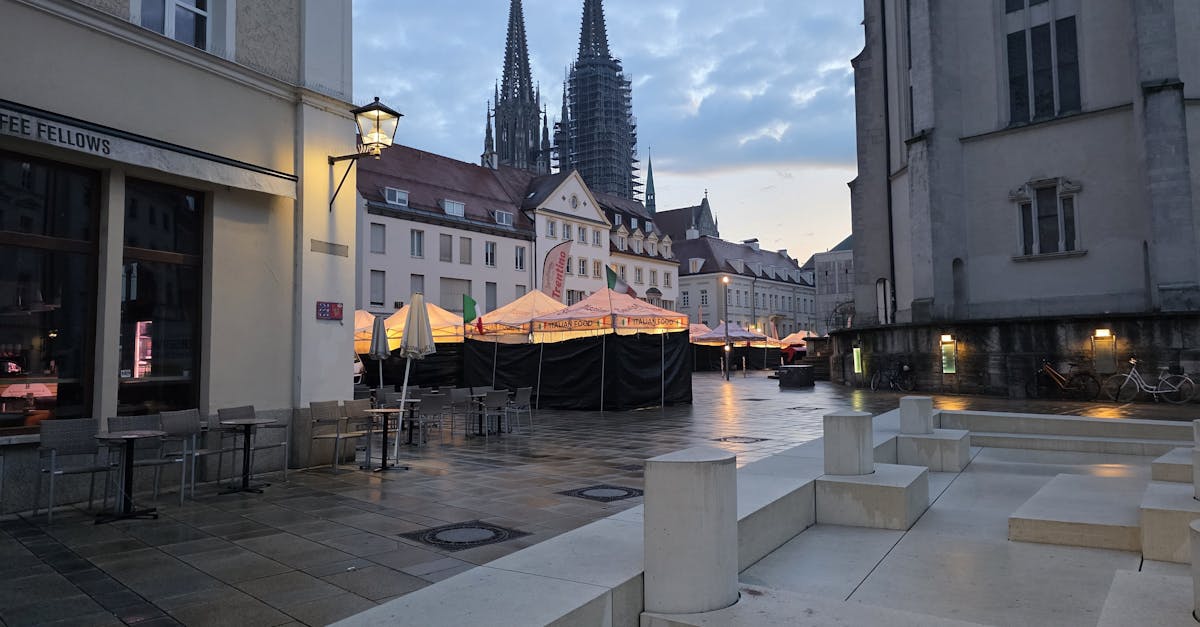
Wandering through Regensburg feels like stepping directly into a living history book, where the cobblestone streets of the Old Town whisper tales of the Holy Roman Empire's golden age. As you trace your footsteps along the meticulously preserved Romanesque and Gothic architecture, you will notice how the city has managed to retain its medieval soul despite centuries of change. The iconic Stone Bridge (Steinerne Brücke), dating back to 1135, stands as a testament to ancient engineering prowess, connecting the historic center with the modern world while offering breathtaking views of the Danube River that have inspired poets and travelers for generations.
Beyond the charming alleyways lies the profound imperial legacy of this UNESCO World Heritage site, once serving as a favored residence for emperors and the meeting place for countless Reichstag assemblies. You can explore the magnificent Domplatz, dominated by the soaring Gothic cathedral, or delve into the opulent interiors of the Alte Hofhaltung, which now houses a museum dedicated to the region's rich past. Visiting Regensburg before it becomes overwhelmed by mass tourism offers a rare opportunity to truly immerse yourself in this atmospheric time capsule, allowing you to savor the quiet grandeur of an imperial capital that still breathes with the spirit of the Middle Ages.
 This photo was taken by Paula Hordjewicz on Pexels.
Quedlinburg: Half-Timbered Gems in the Harz Mountains
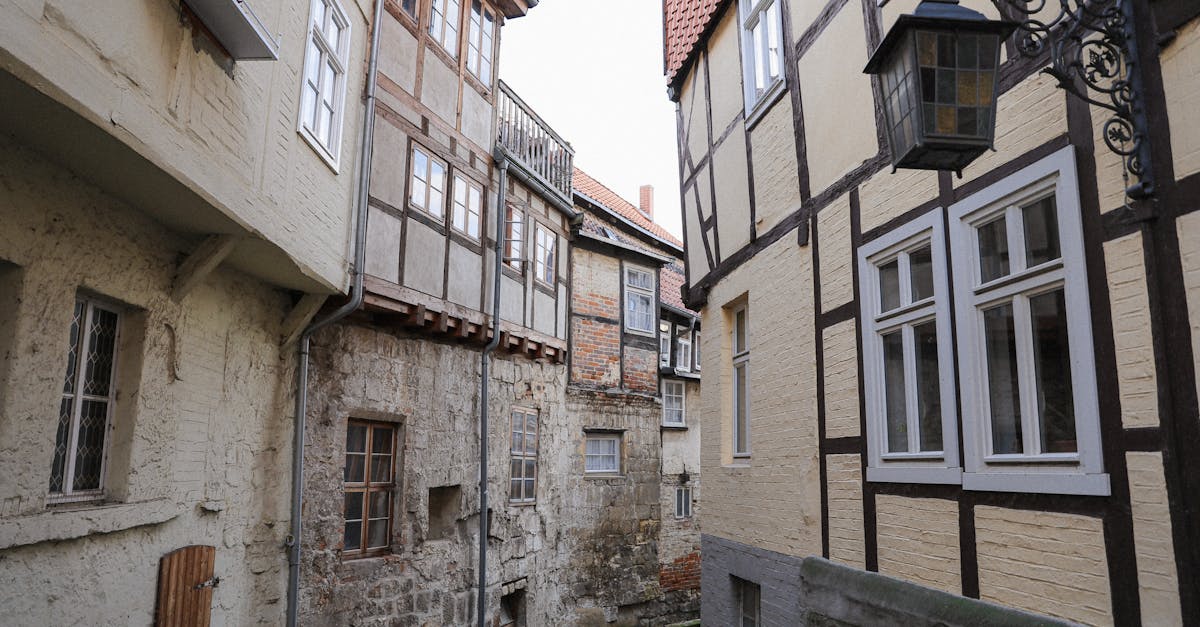
Nestled in the lush valleys of the Harz Mountains, Quedlinburg offers a breathtaking journey back to the Middle Ages with its UNESCO-listed old town, which boasts over 1,300 half-timbered houses dating from the 16th and 17th centuries. As you wander through the narrow cobblestone streets, you will be surrounded by colorful facades adorned with intricate wooden tracery, each telling a unique story of the town's prosperous past as a royal castle site and imperial free city. The sheer density and preservation of these architectural treasures create an atmosphere that feels suspended in time, making it one of Germany's most photogenic destinations before the inevitable surge of mass tourism transforms its quiet charm.
Beyond the stunning street scenes, visitors can explore the historic Schlossberg district, crowned by the imposing Romanesque Imperial Basilica (Kaiserdom) founded by King Otto I in 922, where the tombs of German emperors lie within its hallowed walls. This medieval gem is not merely a visual spectacle but a living museum where the rhythm of daily life still echoes the traditions of centuries ago, offering a serene escape from modern crowds. By visiting now, travelers can appreciate the intimate scale of this hilltop town, savoring local delicacies in traditional breweries and discovering hidden courtyards that remain largely undiscovered by the masses, ensuring your experience remains authentic and unforgettable.
 This photo was taken by Alina Rossoshanska on Pexels.