Modern Architecture and Art Scenes in Hamburg and Cologne
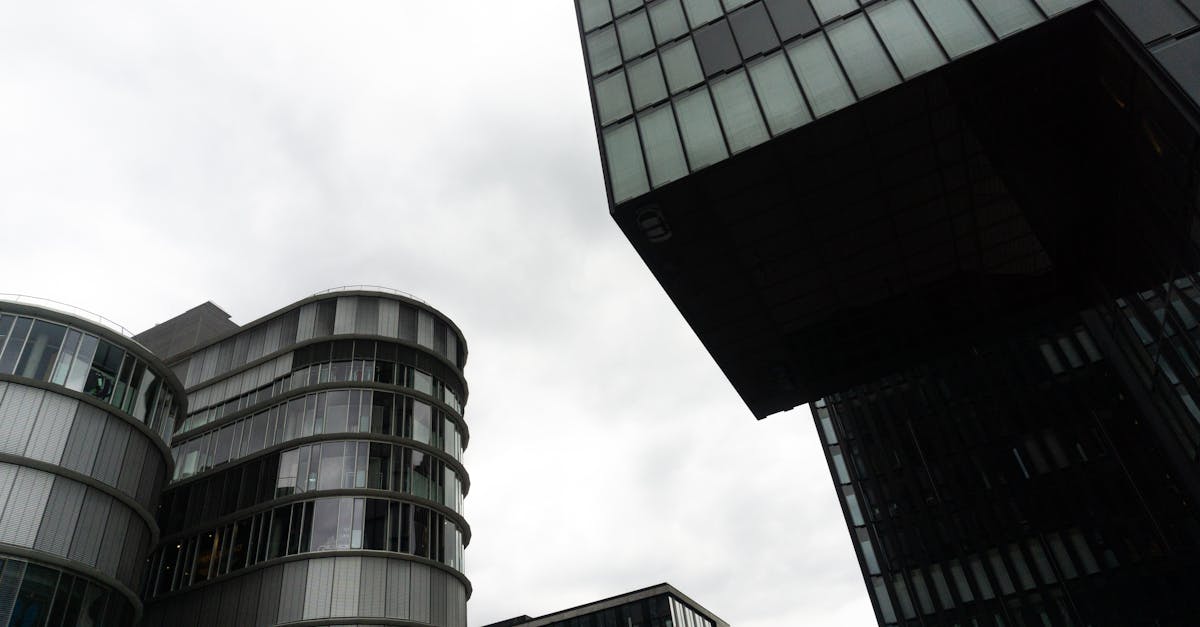 This photo was taken by Eugene Laszczewski on Pexels.
Welcome to a journey through the vibrant cultural landscapes of northern and western Germany, where the past and future collide in stunning harmony. In this post, we explore two dynamic cities that have redefined their skylines while preserving their rich heritage: Hamburg and Cologne. From the shimmering waters of the Elbe to the historic banks of the Rhine, discover how these metropolises are embracing modern architecture and thriving art scenes. Whether you are captivated by the maritime elegance of Hamburg's new landmarks or the bold contrasts found in Cologne's artistic quarters, get ready to experience a Germany that is as innovative as it is timeless.
Hamburg's Maritime Skyline: A Fusion of History and Glass
Hamburg's Maritime Skyline: A Fusion of History and Glass
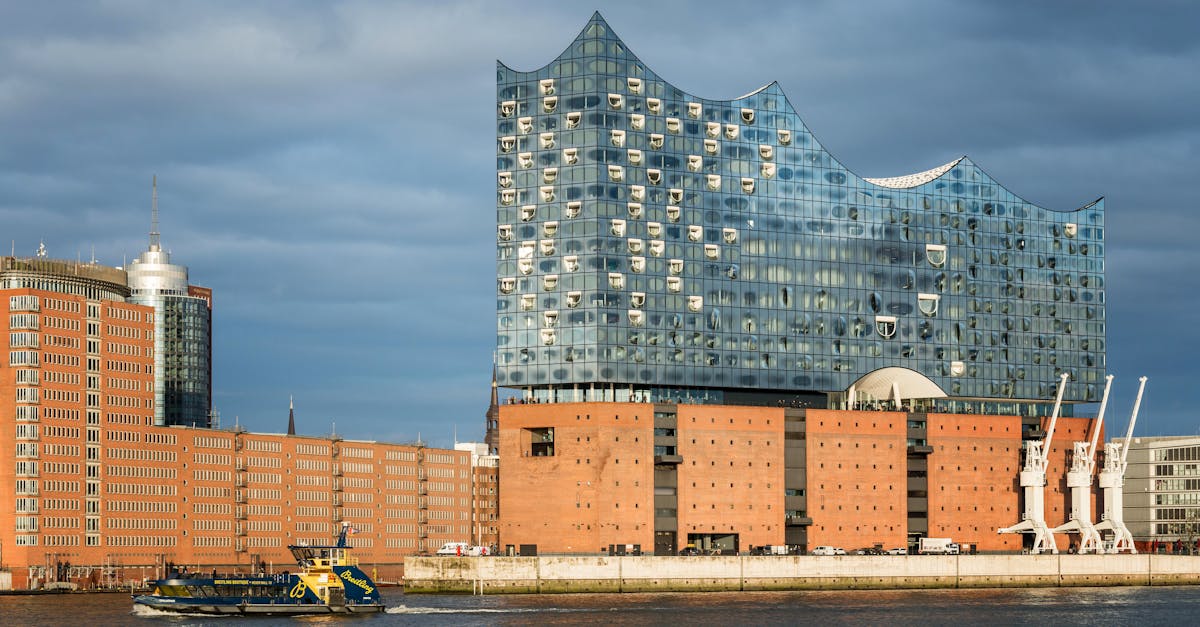
As you stroll along the Elbphilharmonie Plaza, the city's maritime soul meets contemporary vision in a breathtaking display where the historic Speicherstadt warehouses stand as silent sentinels to the sleek, wave-like curves of the new concert hall. This juxtaposition is not merely aesthetic but deeply symbolic of Hamburg's identity; the red-brick granaries that once stored global trade goods now frame a glass structure that reflects the shifting tides of the harbor, creating a dynamic interplay between the past and present. The skyline here tells a story of resilience and reinvention, where the industrial grit of the port city has been polished into a modern masterpiece without erasing its gritty, nautical roots.
Walking through the HafenCity district feels like navigating a living gallery of architectural evolution, where every glass facade captures the golden hues of the setting sun over the water while echoing the bustling energy of a centuries-old trading hub. Unlike the rigid structures of other metropolises, Hamburg's waterfront architecture embraces fluidity and light, inviting visitors to look up at the towering cranes that have been repurposed as cultural landmarks alongside the soaring spires of the Elbphilharmonie. It is a place where history does not fade into the background but rather serves as the foundation for an innovative future, making it an essential stop for anyone seeking to understand how a German port city seamlessly blends its deep-rooted maritime heritage with cutting-edge design.
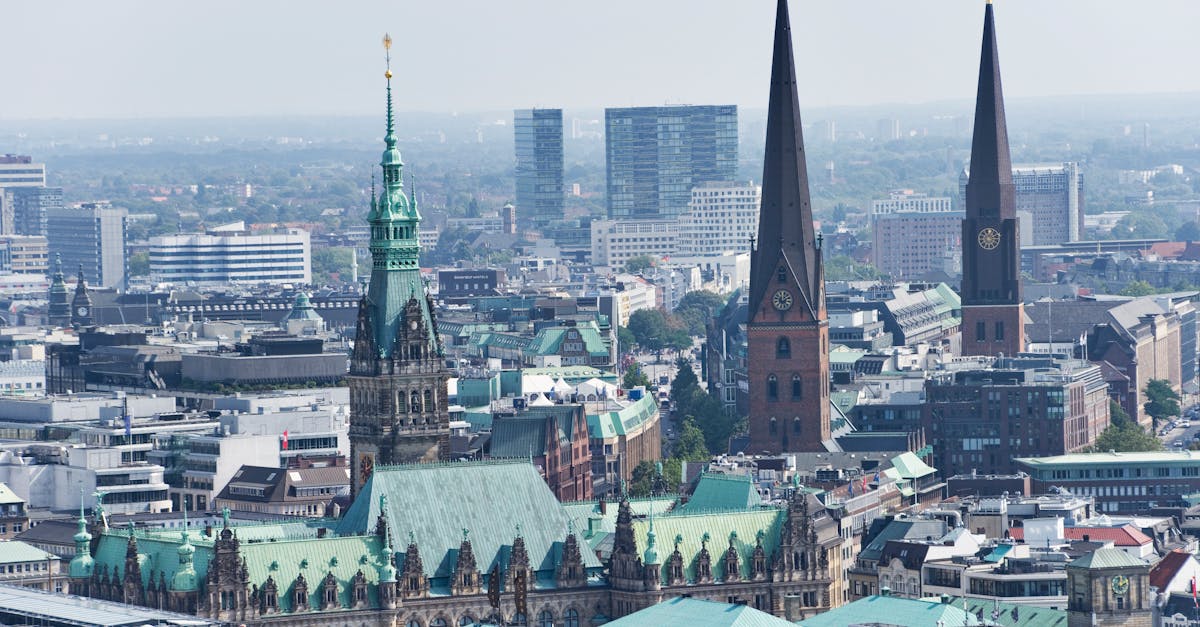 This photo was taken by Tom D'Arby on Pexels.
Cologne's Cathedral Contrast: Where Gothic Meets Contemporary
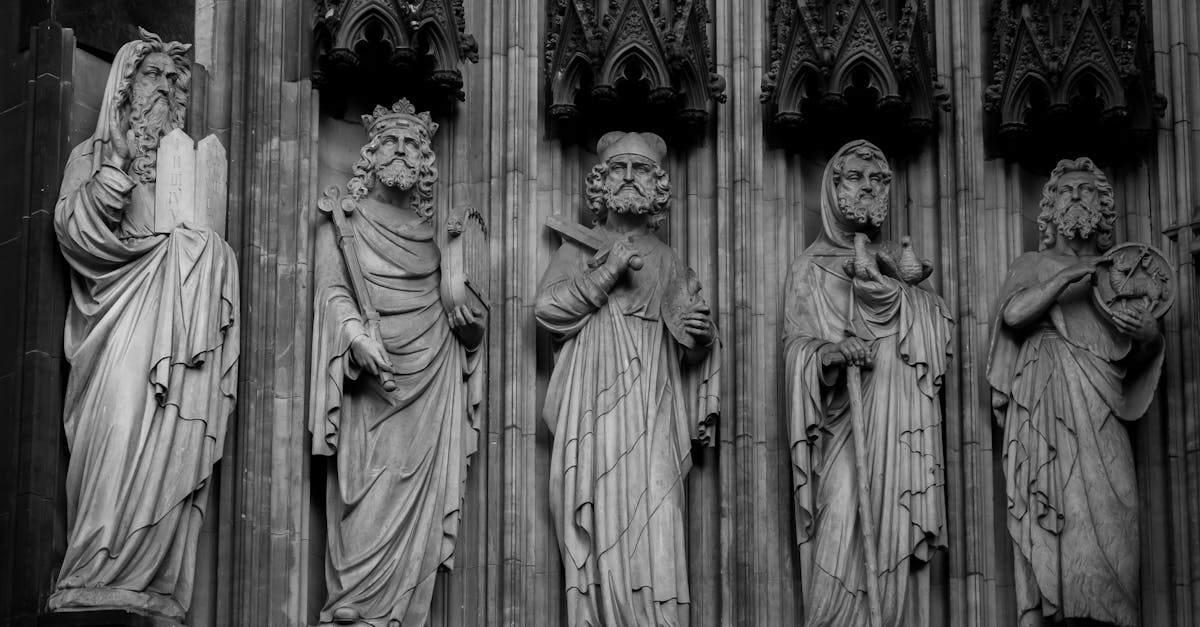
Standing majestically on the banks of the Rhine, Cologne Cathedral (Kölner Dom) is a breathtaking testament to Gothic engineering that has dominated the skyline for over six centuries. Its soaring twin spires and intricate stone tracery create a dramatic backdrop against which the city's modern pulse beats with surprising harmony. Just steps away from this medieval masterpiece, the Museum Ludwig showcases a vibrant collection of contemporary art, while the nearby Hansa Tower and the sleek lines of the MediaPark offer a striking visual counterpoint. This unique juxtaposition allows visitors to walk through history in one breath and step into the future in the next, illustrating how Cologne embraces its heritage without letting it stifle modern creativity.
The contrast between the old and the new extends beyond architecture into the very soul of the city's cultural scene. Where the cathedral once echoed with chants, today's underground galleries and repurposed industrial halls host cutting-edge exhibitions and electronic music festivals that draw crowds from across Europe. The famous Hohenzollern Bridge, adorned with thousands of love locks, serves as a pedestrian artery connecting these disparate worlds, symbolizing the seamless blend of tradition and innovation. For the traveler, exploring this dynamic tension offers an unforgettable experience where the weight of history feels lightened by the energy of the present, making Cologne a living museum where every corner tells a story of transformation.
 This photo was taken by The Daphne Lens on Pexels.
Artistic Havens: From Elbphilharmonie to Museum Ludwig
Artistic Havens: From Elbphilharmonie to Museum Ludwig
In Hamburg, the Elbphilharmonie stands as a breathtaking fusion of historic brick warehouse architecture and contemporary glass design, offering more than just stunning visuals but an unparalleled auditory experience. Perched atop the Kaispeicher A, this concert hall is a beacon of modern engineering where visitors can enjoy world-class performances while taking in panoramic views of the Elbe River from its public viewing platform. Beyond the music, the building itself has become a symbol of the city's transformation, inviting tourists to explore its unique acoustics and sleek interiors, making it an essential stop for anyone interested in how innovative architecture can redefine a cultural landmark.
Journeying south to Cologne, the Museum Ludwig offers a striking counterpoint with its bold, brutalist concrete structure that houses one of Europe's most significant collections of modern art. Inside, guests are immersed in a vibrant tapestry of works ranging from Pop Art masterpieces by Andy Warhol and Roy Lichtenstein to iconic pieces by Picasso and Basquiat, all set against the backdrop of the city's famous cathedral. The museum's dynamic exhibitions and expansive galleries make it a pilgrimage site for art enthusiasts, perfectly complementing the architectural grandeur found along the Rhine and showcasing why Cologne remains a pivotal hub for artistic expression in Germany.
 This photo was taken by Wolfgang Weiser on Pexels.