Modern Architecture and Design Scenes in Frankfurt and Stuttgart
 This photo was taken by SHOX ART on Pexels.
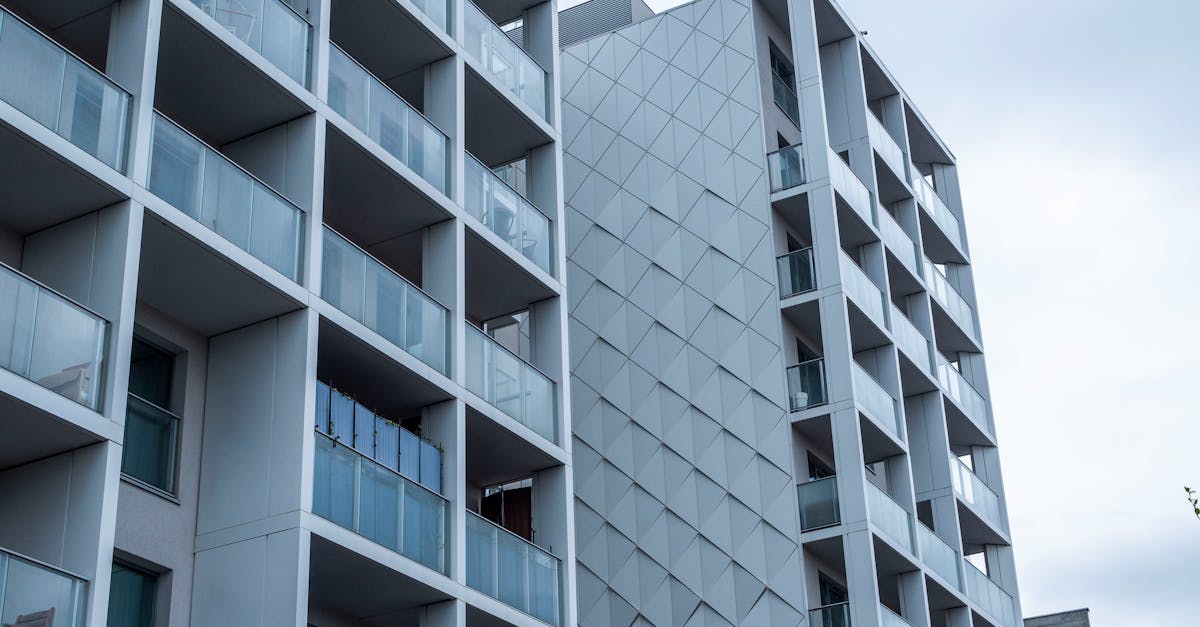
Welcome to the heart of Germany's economic engine, where concrete visions meet cutting-edge innovation. While many travelers flock to Munich for its Bavarian charm or Berlin for its gritty art scene, Frankfurt and Stuttgart offer a compelling narrative of modernity that defines contemporary European design. In this post, we will explore how these two powerhouse cities have redefined their urban landscapes through bold architectural feats and a deep-rooted commitment to functional aesthetics. From the soaring silhouettes that punctuate Frankfurt's "Mainhattan" skyline to the seamless blend of industrial heritage and Bauhaus philosophy in Stuttgart, prepare to discover how these metropolises are shaping the future of urban living. Join me as we walk through their creative quarters, uncovering the stories behind the glass facades and the vibrant communities thriving within them.
The Skyline of Tomorrow: Frankfurt's Iconic Skyscrapers
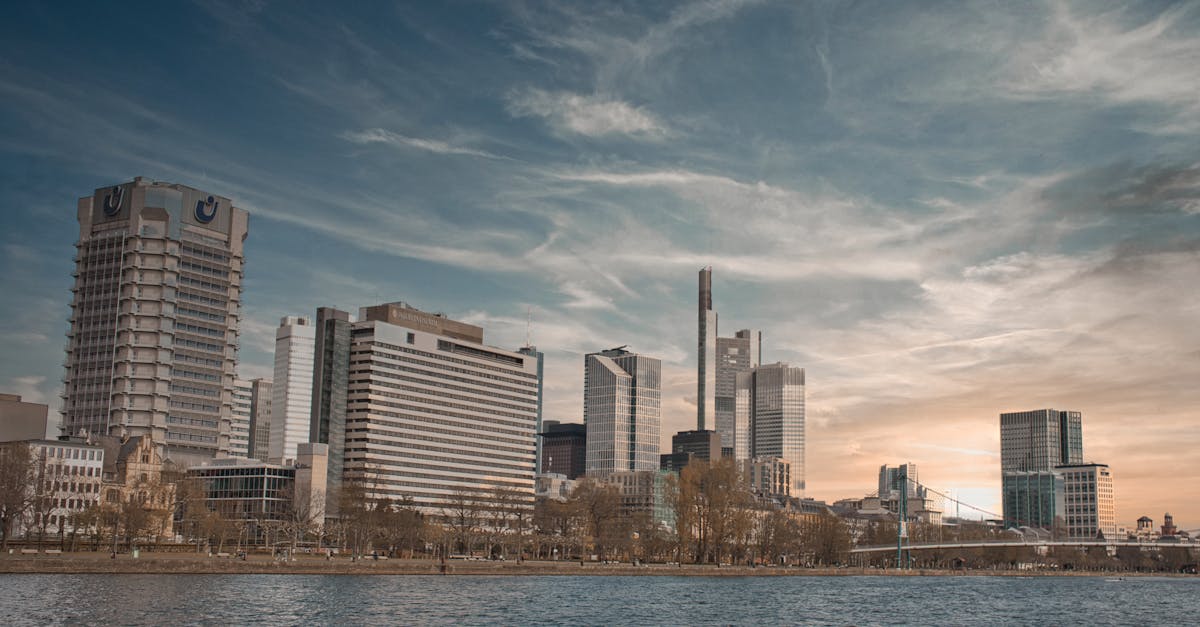
As you gaze upon the Mainhattan skyline, you will witness a striking contrast where glass and steel pierce the clouds, earning Frankfurt its nickname as "Mainhattan." This urban forest of modern architecture is not merely a collection of buildings but a testament to Germany's economic power and visionary design, featuring iconic structures like the Commerzbank Tower with its innovative atrium concept and the Messeturm, which once stood as the tallest building in Europe. Walking along the riverbank offers the perfect vantage point to appreciate how these skyscrapers have transformed the cityscape into a futuristic panorama that glows brilliantly at night, reflecting the dynamic spirit of a metropolis that constantly looks toward the future while honoring its historic roots.
Beyond the towering heights of the financial district, the city's architectural narrative continues with adaptive reuse projects that breathe new life into industrial heritage sites, seamlessly blending old brickwork with sleek contemporary additions. The development of the Europaviertel further exemplifies this forward-thinking approach, introducing sustainable living concepts and mixed-use spaces designed for the residents of tomorrow. Whether you are an architecture enthusiast or simply a curious traveler, exploring Frankfurt's vertical landscape provides an unforgettable journey through the evolution of German engineering and design, proving that the city is indeed a living laboratory for the skyline of the future.
 This photo was taken by Nadine Bliedung on Pexels.
Design Meets Industry: Stuttgart's Bauhaus Legacy and Innovation
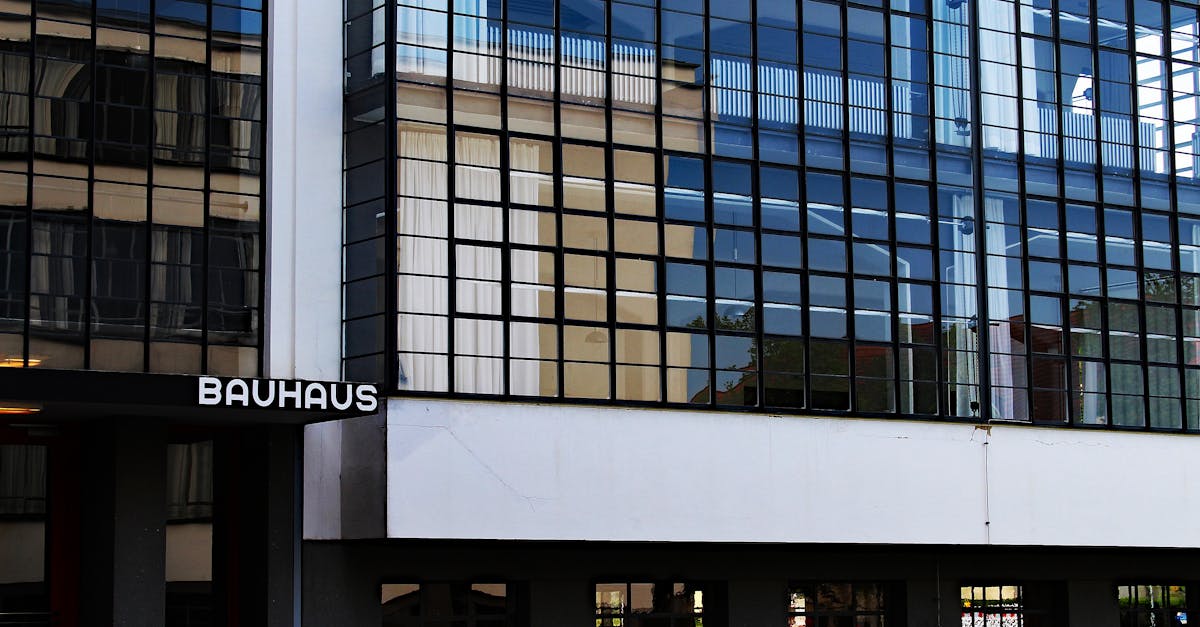
Nestled in the heart of Baden-Württemberg, Stuttgart stands as a living testament to the enduring influence of the Bauhaus movement, where functionalism seamlessly merges with industrial prowess. The city's architectural landscape is punctuated by iconic structures like the famous Mercedes-Benz Museum and the sleek lines of the Porsche Design Studio, both of which embody the Bauhaus principle that form must follow function. Unlike the more commercial vibe of other German metropolises, Stuttgart offers a unique narrative where avant-garde design is not just an aesthetic choice but a driving force behind its world-renowned automotive and engineering sectors. Walking through districts like Bad Cannstatt or near the Staatliche Hochschule für Gestaltung, visitors can trace the footsteps of masters who redefined modern living, seeing how their minimalist philosophies continue to shape everything from high-tech machinery to everyday consumer goods.
This symbiotic relationship between artistic innovation and heavy industry creates a dynamic atmosphere that distinguishes Stuttgart as a global hub for forward-thinking design. The city does not merely preserve its Bauhaus legacy in museums; it actively cultivates it through cutting-edge research institutes and collaborative projects that bridge the gap between creative vision and technical execution. From the ergonomic precision found in the interiors of luxury vehicles to the sustainable urban planning initiatives in new developments, the spirit of the Bauhaus school thrives in every sector. For travelers seeking inspiration, Stuttgart offers an immersive experience where the clean lines of modern architecture tell the story of a region that has consistently pushed the boundaries of what industry and art can achieve together.
 This photo was taken by Birgit Böllinger on Pexels.
Urban Revitalization: Walking Through the Cities' Creative Quarters
Frankfurt's skyline, often dominated by its towering skyscrapers, hides a vibrant undercurrent of urban renewal that transforms former industrial zones into thriving creative hubs. The HafenCity district in the east and the revitalized banks along the Main River now pulse with independent galleries, avant-garde design studios, and cozy cafes housed in repurposed warehouses. Walking through these areas reveals a fascinating dialogue between the city's financial might and its artistic soul, where graffiti art adorns the sides of old factories while glass-fronted modernist buildings stand as testaments to the city's forward-looking spirit. This dynamic fusion offers visitors a unique perspective on how Frankfurt is not just building for tomorrow but actively reshaping its past into a living, breathing cultural landscape.
Similarly, Stuttgart has masterfully integrated contemporary design into its post-industrial revival, turning the once-bustling manufacturing heartland into a showcase of architectural innovation. The Neckarpark area and the transformed districts around the Mercedes-Benz Museum exemplify this trend, where sleek, sustainable structures coexist with green spaces and public art installations that celebrate the city's engineering heritage. As you stroll through these quarters, you will encounter pop-up markets, innovative co-working spaces, and design boutiques that highlight the region's reputation as a capital of automotive and industrial design. These neighborhoods serve as open-air museums of modernity, inviting tourists to explore how Stuttgart balances its historic identity with a bold, creative vision for the future.
 This photo was taken by nour qaloush on Pexels.