Modern Architecture in Hamburg: From Speicherstadt to Elbphilharmonie
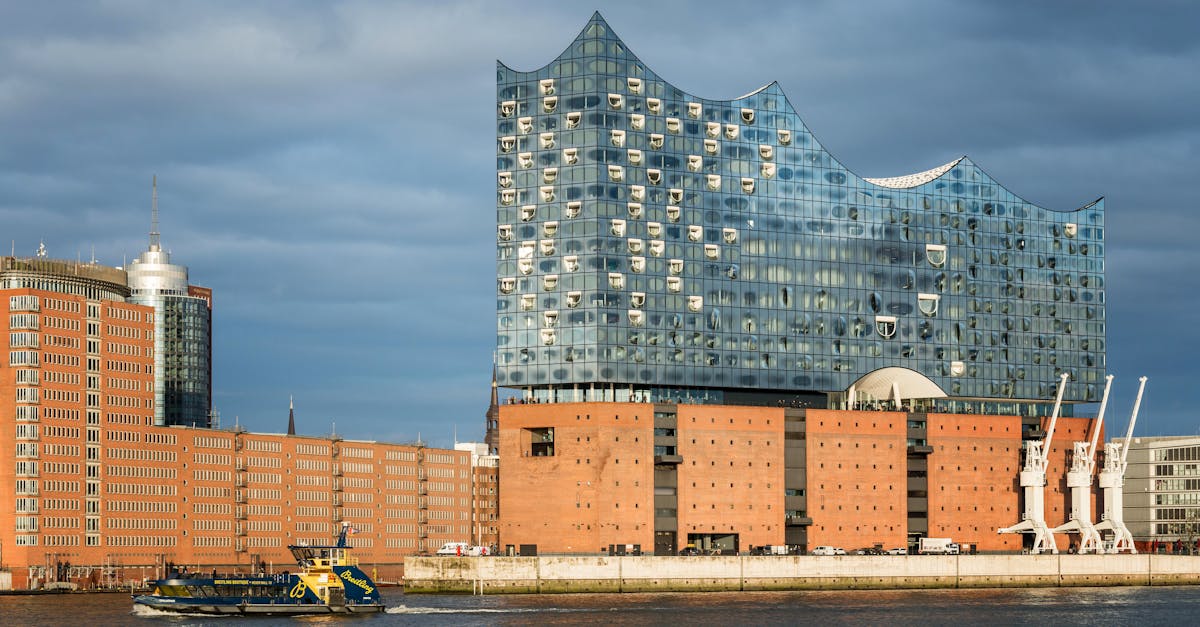 This photo was taken by Wolfgang Weiser on Pexels.
Welcome to the heart of Germany's maritime gateway, where the historic charm of brick meets the futuristic allure of glass. Hamburg is not just a city of canals and culture; it is an open-air museum of architectural evolution that tells the story of trade, innovation, and resilience. In this post, we will embark on a visual journey through two iconic landmarks that define the city's skyline: the UNESCO-listed Speicherstadt, with its timeless red-brick warehouses standing as a testament to the Hanseatic era, and the breathtaking Elbphilharmonie, a masterpiece of modern engineering that seems to ripple like a wave against the horizon. From the cobblestone past to the shimmering future, get ready to explore how these structures have shaped Hamburg into one of Europe's most fascinating urban landscapes.
The Timeless Brick Warehouses of Speicherstadt
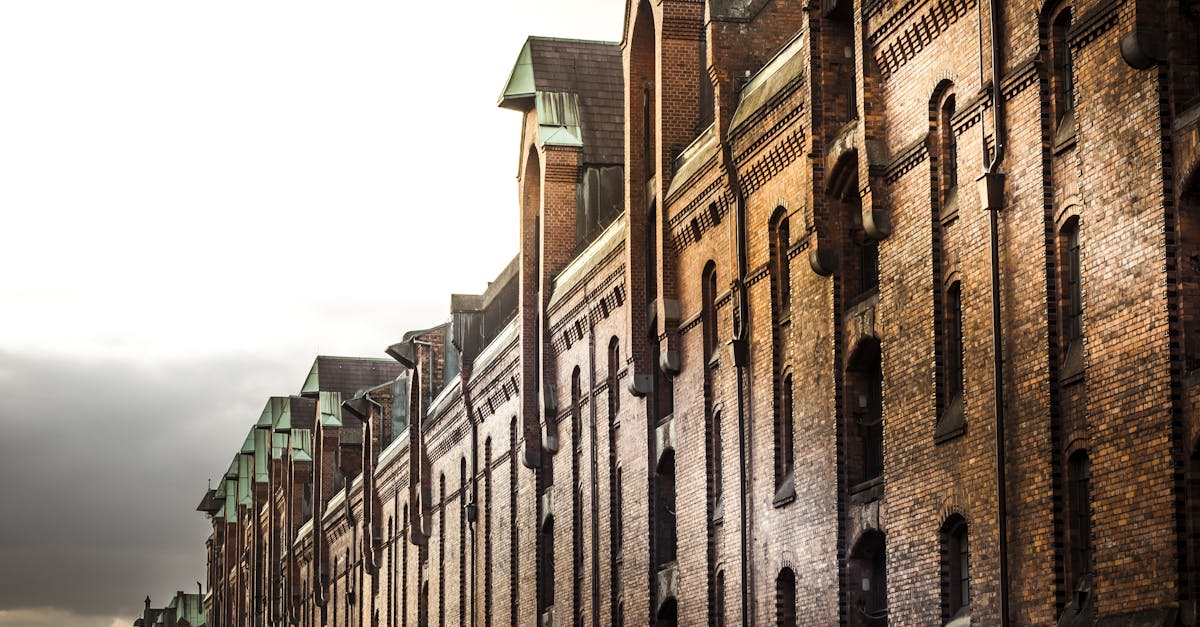
Stepping into the Speicherstadt, you are immediately transported back to Hamburg's golden age of maritime trade, where a labyrinth of red-brick warehouses stretches along the Elbe River. Built between 1883 and 1927, this UNESCO World Heritage site is the world's largest complex of its kind, featuring soaring arched windows and intricate gable ends that tell stories of global commerce from centuries past. As you wander across the cobblestone paths and wooden bridges connecting these historic structures, the rhythmic clinking of cranes and the scent of salt air create an atmosphere that perfectly captures the city's industrial soul, offering a striking contrast to the sleek modernity found elsewhere in Hamburg.
Despite their historical roots, these brick warehouses have been masterfully repurposed rather than left as mere relics, now housing trendy boutiques, gourmet restaurants, and even the famous Miniatur Wunderland museum. The preservation of this architectural marvel serves as a testament to Hamburg's ability to honor its past while embracing its future, creating a seamless narrative that leads directly to the nearby Elbphilharmonie. Walking through Speicherstadt today feels like traversing a living history book, where every weathered brick and iron beam whispers tales of the port's resilience, making it an essential stop for any traveler seeking to understand the unique character of this dynamic German metropolis.
 This photo was taken by Pixabay on Pexels.
The Wave of Glass: Inside the Elbphilharmonie
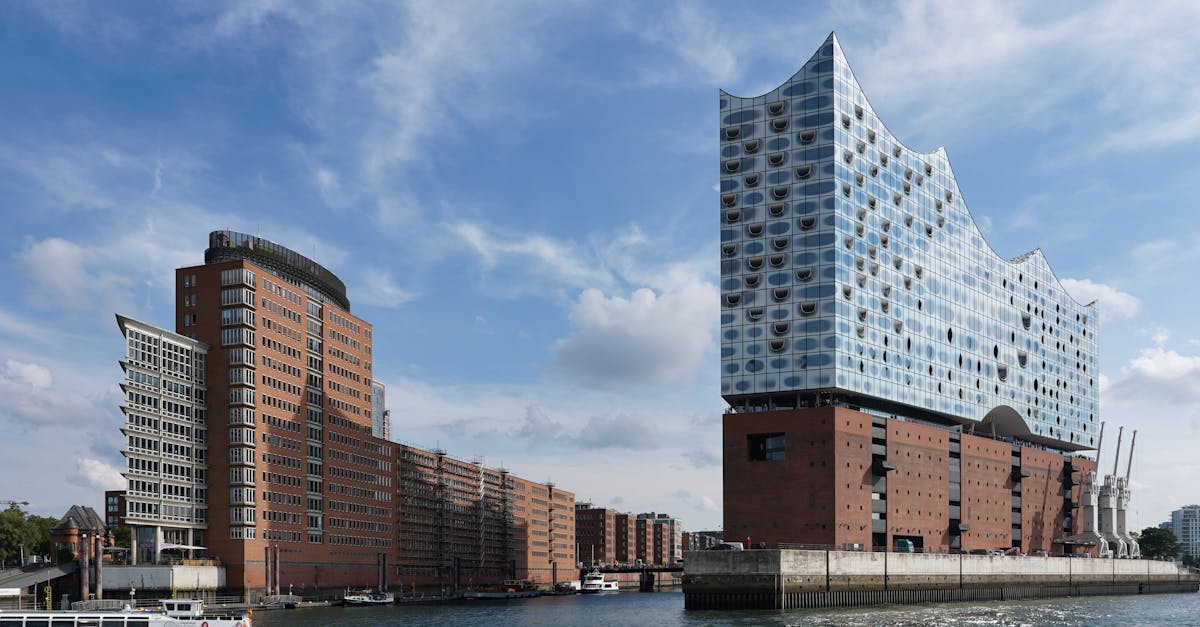
Perched dramatically atop the historic Kaispeicher A in Hamburg's HafenCity, the Elbphilharmonie stands as a breathtaking fusion of industrial heritage and contemporary design. Designed by Herzog & de Meuron, this architectural marvel features a shimmering glass façade that seems to float effortlessly above the red-brick warehouse base, creating a visual dialogue between the city's maritime past and its futuristic aspirations. As visitors ascend the grand staircase, they are treated to panoramic views of the Elbe River and the sprawling port, but the true magic lies within the concert hall itself, where the acoustics are meticulously engineered to create an immersive auditory experience for every seat in the house.The interior of the Elbphilharmonie is a testament to innovative engineering, featuring a unique "white skin" wall made of 1,000 individually shaped plaster panels that not only enhance sound quality but also serve as a stunning light-reflecting canvas. This organic, wave-like structure contrasts beautifully with the sleek, transparent elements of the building, earning it the nickname "The Wave of Glass." Beyond being a world-class venue for symphonies and concerts, the complex includes a public plaza and restaurant on the upper levels, inviting tourists to enjoy the ambiance without needing a ticket, making it an essential stop for anyone exploring Hamburg's modern architectural landscape alongside the historic Speicherstadt. This photo was taken by Jean-Paul Wettstein on Pexels.
A Journey Through Hamburg's Architectural Evolution
Hamburg's architectural narrative begins in the historic Speicherstadt, a UNESCO World Heritage site that stands as a testament to the city's 19th-century mercantile prowess. Here, red-brick warehouses with their distinctive stepped gables and intricate ironwork line the canals, creating a labyrinthine landscape that once stored tea, tobacco, and spices from around the globe. Walking through these narrow passageways offers a tangible connection to Hamburg's past, where the industrial ingenuity of the era is preserved in every archway and brick facade. This district not only showcases the unique Hanseatic style but also serves as a vibrant cultural hub today, housing museums, restaurants, and shops that breathe new life into its storied walls.
In stark yet harmonious contrast, the Elbphilharmonie rises majestically from the former Kaispeicher A warehouse, symbolizing the city's bold leap into contemporary design. Conceived by Herzog & de Meuron, this architectural marvel features a sweeping glass structure that appears to float above the historic base, creating a dynamic dialogue between old and new. The building's undulating façade reflects the changing light of the Elbe River, while its interior acoustics and public plaza offer visitors an immersive experience of modern urban living. Together, the Speicherstadt and the Elbphilharmonie encapsulate Hamburg's evolution, illustrating how a city rooted in maritime tradition can embrace innovation without losing its soul.
 This photo was taken by Wolfgang Weiser on Pexels.