Navigating German Public Transport: A Tourist's Cheat Sheet
 This photo was taken by Mike Bird on Pexels.
Welcome to the heart of Europe, where efficiency meets tradition! As you embark on your journey through Germany, one of the most rewarding ways to explore our historic cities and picturesque countryside is by embracing our world-class public transport network. However, navigating this system can sometimes feel like solving a complex puzzle, especially with its unique ticketing rules and diverse train types. Whether you are hopping on a high-speed ICE for intercity travel or mastering the intricate web of U-Bahn and S-Bahn lines in bustling metropolises, this guide is designed to be your ultimate companion. We will demystify the validation requirements, clarify the difference between regional and long-distance trains, and help you move through German cities with confidence and ease. Let's get you started on a seamless adventure across Germany!
Understanding the Ticketing System and Validation Rules
Germany's public transport network operates on a unified zone-based system, meaning your fare depends on the number of zones you cross rather than the distance traveled. Whether you are navigating the U-Bahn in Berlin, the trams in Munich, or the regional trains across Bavaria, it is crucial to purchase a ticket that covers every single zone listed on your itinerary; crossing an invisible boundary without a valid ticket for that specific area can result in a steep fine. Tickets are available at automated machines located at all major stations, which offer English language options, as well as through official apps like DB Navigator or local transport provider apps, ensuring you have digital proof of purchase ready before boarding.
A critical rule that often trips up visitors is the requirement to validate paper tickets before your journey begins. Unlike many other countries where buying a ticket grants immediate validity, in Germany, most paper tickets purchased from yellow or blue machines must be stamped by the green validation machines (Entwerter) found on platforms and inside vehicles if they do not already display a printed date and time. Failure to stamp a ticket renders it invalid immediately, even if you have paid for it correctly, leading to potential penalties during spot checks by conductors who patrol the trains and buses. Once validated, your ticket remains active for the duration specified, allowing unlimited transfers within the selected zones until the time expires.
 This photo was taken by Pixabay on Pexels.
Mastering Regional vs. Long-Distance Trains (DB)
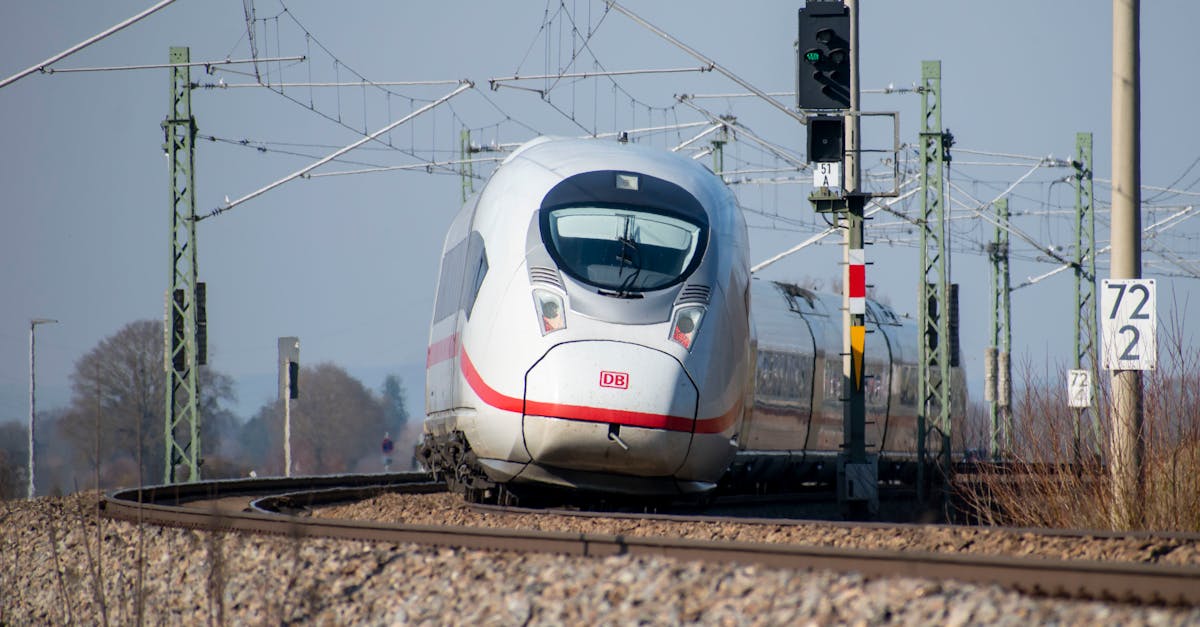
Understanding the distinction between regional and long-distance trains is crucial for maximizing your German travel experience. Regional services, known as RB (Regionalbahn) or RE (Regionalexpress), connect smaller towns and cities within a specific state or area; these are often covered by day tickets like the Deutschland-Ticket, making them incredibly cost-effective for local exploration. In contrast, Intercity Express (ICE) and Intercity (IC) trains are the high-speed networks designed for rapid travel between major hubs like Berlin, Munich, and Hamburg. While ICE trains offer superior speed and comfort with amenities like dining cars, they require separate, often pricier reservations unless you have a specific pass, so always check the train type displayed on station boards before boarding.
To avoid confusion and unexpected costs, pay close attention to the color-coded signage and platform information screens at stations, which clearly label whether a departing train is a regional service or an intercity line. If you are traveling short distances or hopping between nearby attractions, opt for the regional trains to enjoy scenic views without the premium price tag, but be aware that they make more frequent stops and can take significantly longer. For covering large distances quickly, book your ICE tickets in advance online via the DB Navigator app or website to secure lower fares, as prices fluctuate dynamically based on demand and how early you purchase your ticket.
 This photo was taken by Giridharan Rajenthara on Pexels.
Navigating Cities with U-Bahn, S-Bahn, and Buses
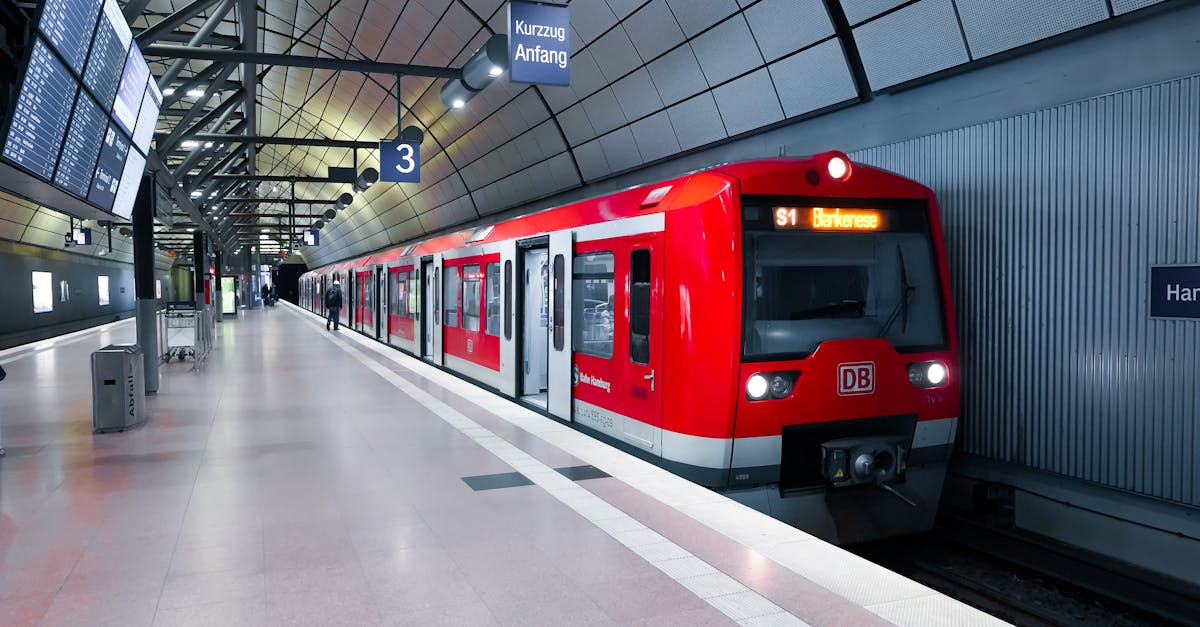
Germany's urban transit networks are renowned for their precision and efficiency, making the U-Bahn (underground) and S-Bahn (suburban rail) your best allies for rapid city exploration. While the U-Bahn typically serves dense city centers with frequent stops, the S-Bahn connects these hubs to surrounding suburbs and major landmarks, often running 24/7 in larger metropolises like Berlin or Munich. To avoid confusion, simply look for the distinct color-coded lines on station maps and digital displays; a quick glance at the route diagram will tell you exactly which train leads to your destination, whether it's the historic Reichstag in Berlin or the bustling Marienplatz in Munich.
Complementing the rail systems, buses fill the gaps by reaching neighborhoods not serviced by trains and offering scenic views of the cityscape from street level. In most German cities, you can seamlessly transfer between modes of transport using a single ticket valid across all providers within specific zones, though it is crucial to validate your paper ticket in the yellow machines before boarding or ensure your mobile app is active. Remember that while drivers rarely announce stops in English, modern apps and real-time display boards provide clear, multilingual information, ensuring that even first-time visitors can navigate the intricate web of trams, buses, and trains with confidence.
 This photo was taken by Wolfgang Weiser on Pexels.