Navigating German Public Transport: A Traveler's Essential Tips
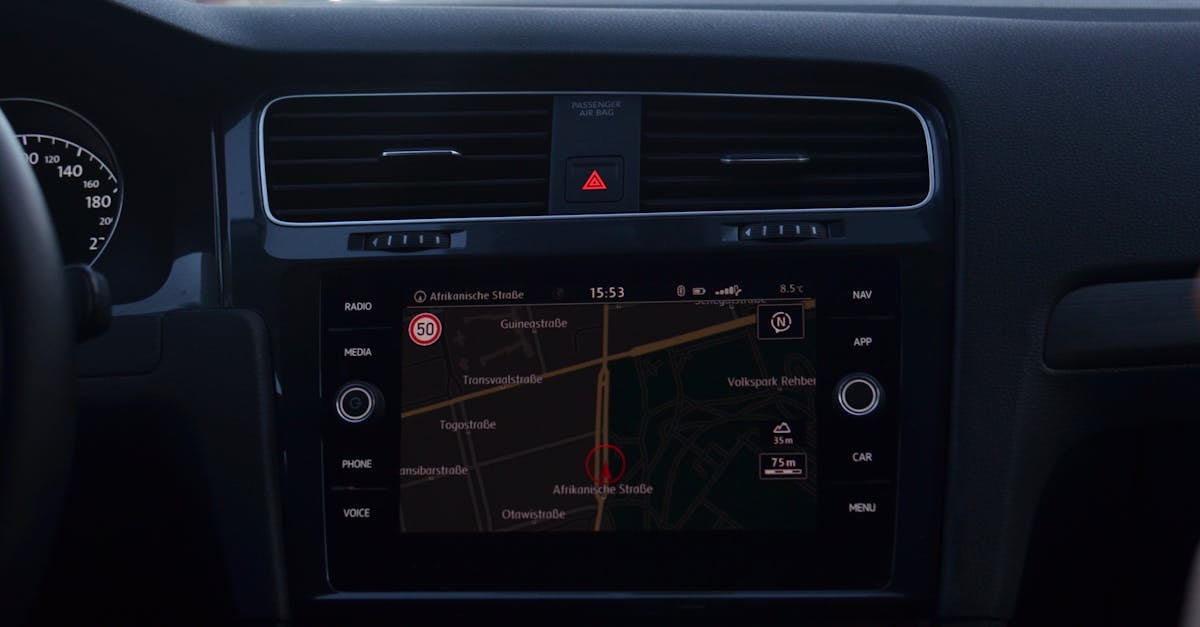 This photo was taken by Skylar Kang on Pexels.
Understanding the Ticketing System and Validation Rules
Germany operates on a "proof-of-payment" system, meaning you must purchase your ticket before boarding trains, trams, or buses, as there are no turnstiles at most stations. Tickets can be conveniently bought via mobile apps like DB Navigator, at automated machines found at every station, or directly from the driver in city transport networks, though paying on board often incurs a surcharge. It is crucial to check the specific zones you will be traveling through, as fares vary by distance and region, and many cities offer day passes or group tickets that provide excellent value for exploring multiple attractions in one go.
A common pitfall for visitors is failing to validate their paper tickets; unlike digital tickets which are time-stamped upon purchase, physical tickets from machines usually require you to stamp them in the yellow or green validation boxes located on platforms or inside vehicles before your journey begins. Failing to do so results in an automatic fine, even if you possess a valid ticket, as the conductor's primary concern is whether the ticket has been activated for the correct date and time. Always keep your ticket handy throughout your trip, as random inspections by uniformed officers are frequent, and having an unvalidated or expired ticket can lead to a steep penalty of up to 60 euros.
 This photo was taken by Pixabay on Pexels.
Mastering Regional vs. Long-Distance Trains
When exploring Germany's diverse landscapes, understanding the distinction between regional and long-distance trains is crucial for a seamless journey. Regional services (RE, RB, S-Bahn) are your best friends for hopping between nearby towns or visiting local attractions; they stop frequently, offer a more authentic glimpse into daily German life, and are often covered by cost-effective state-specific tickets like the Bayern-Ticket or Quer-durchs-Land-Ticket. In contrast, long-distance trains (ICE, IC, EC) are designed for speed and comfort, connecting major cities across vast distances with fewer stops and higher speeds, but they typically require separate booking and seat reservations to secure your spot on these premium services.
To maximize your savings and efficiency, always check if your destination can be reached via regional lines before opting for an expensive ICE ticket, as the scenic routes of the countryside often make the extra travel time worthwhile. Remember that while long-distance trains provide a luxurious experience with onboard dining and spacious seating, regional trains offer a more flexible approach where you can simply hop on and off without prior reservation, making them ideal for spontaneous day trips to hidden gems like the Black Forest or the Romantic Road. By mastering this balance, you not only navigate the network like a local but also unlock the true charm of Germany's extensive rail system.
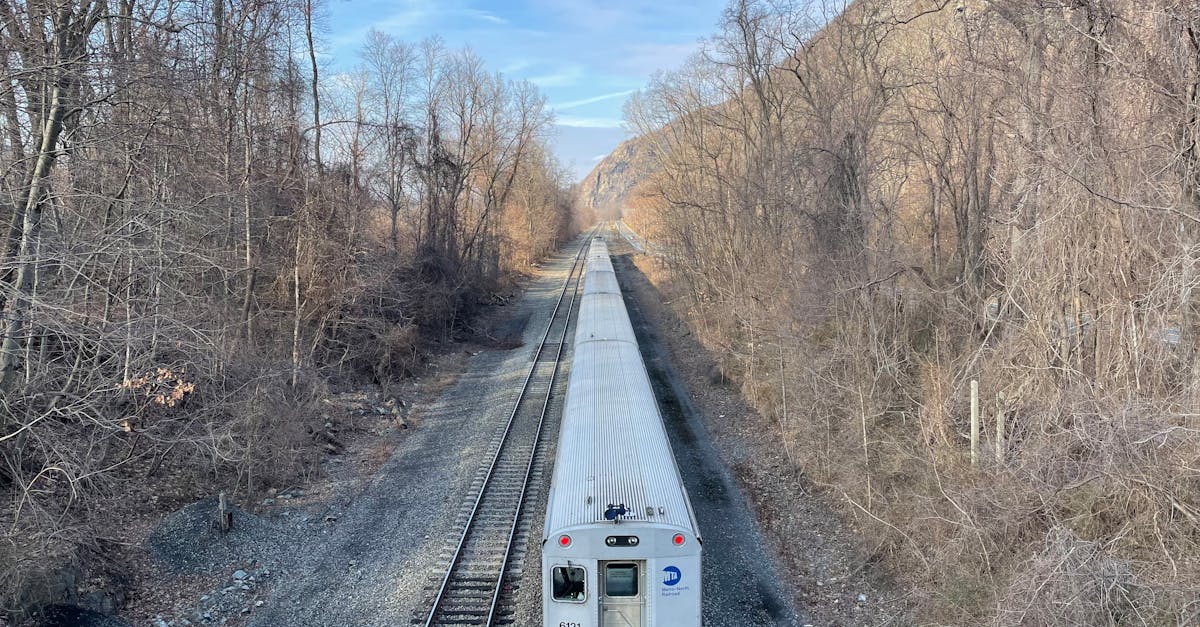 This photo was taken by Paul Buijs on Pexels.
Navigating Urban Transit with U-Bahn, S-Bahn, and Buses
Germany's urban transit networks are a marvel of efficiency, seamlessly connecting city centers with sprawling suburbs through the integrated U-Bahn (subway) and S-Bahn (commuter rail) systems. In major cities like Berlin, Munich, and Hamburg, these lines operate on precise schedules that run frequently throughout the day, often extending late into the night on weekends. While navigating can initially seem daunting due to the sheer number of lines and color-coded maps, the stations are clearly marked with intuitive signage in both German and English. Most modern stations feature real-time digital displays showing arrival times for all platforms, making it incredibly easy to plan your journey without stress or confusion.
Complementing the rail systems are the extensive bus networks, which serve as the vital capillaries reaching neighborhoods not covered by trains. When boarding buses, trams, or trains, remember that you must validate your ticket immediately upon entry using the yellow or green machines located inside the vehicle; traveling without a validated ticket is strictly prohibited and subject to heavy fines. For travelers looking to maximize their savings, consider purchasing a "Tageskarte" (day pass) or group tickets, which offer unlimited travel within specific zones for a fixed price. With the rise of digital solutions, many cities now offer official apps where you can purchase and store tickets directly on your smartphone, ensuring a smooth and contactless experience from start to finish.
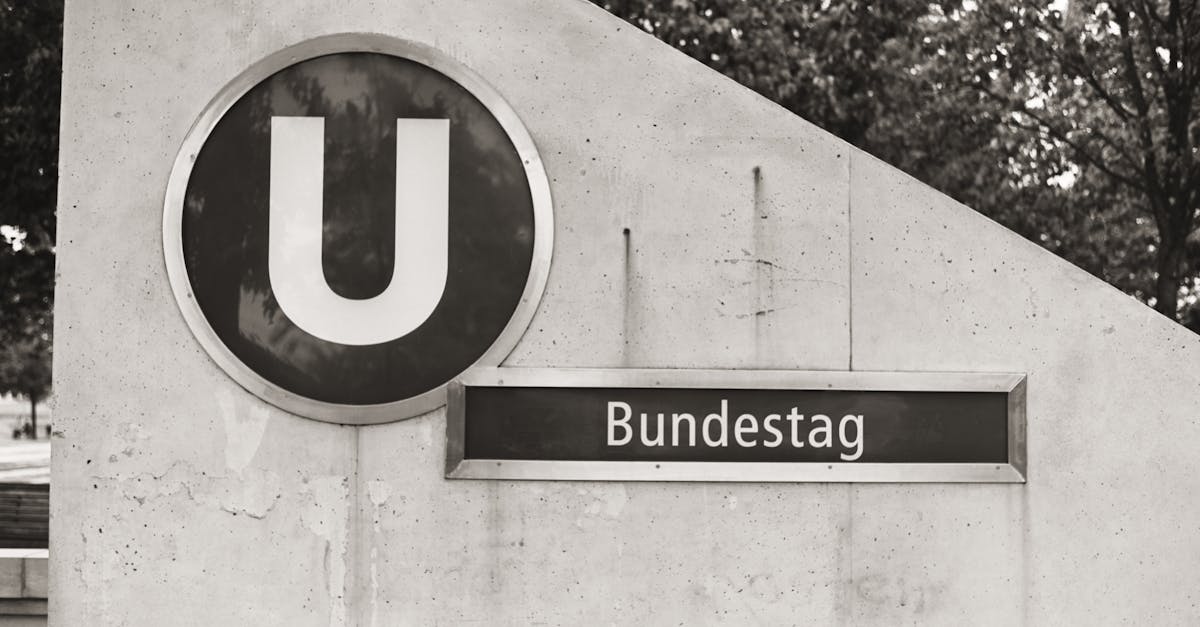 This photo was taken by Mr Dr3igeteilt on Pexels.