Navigating Germany by Train: A Traveler's Handbook
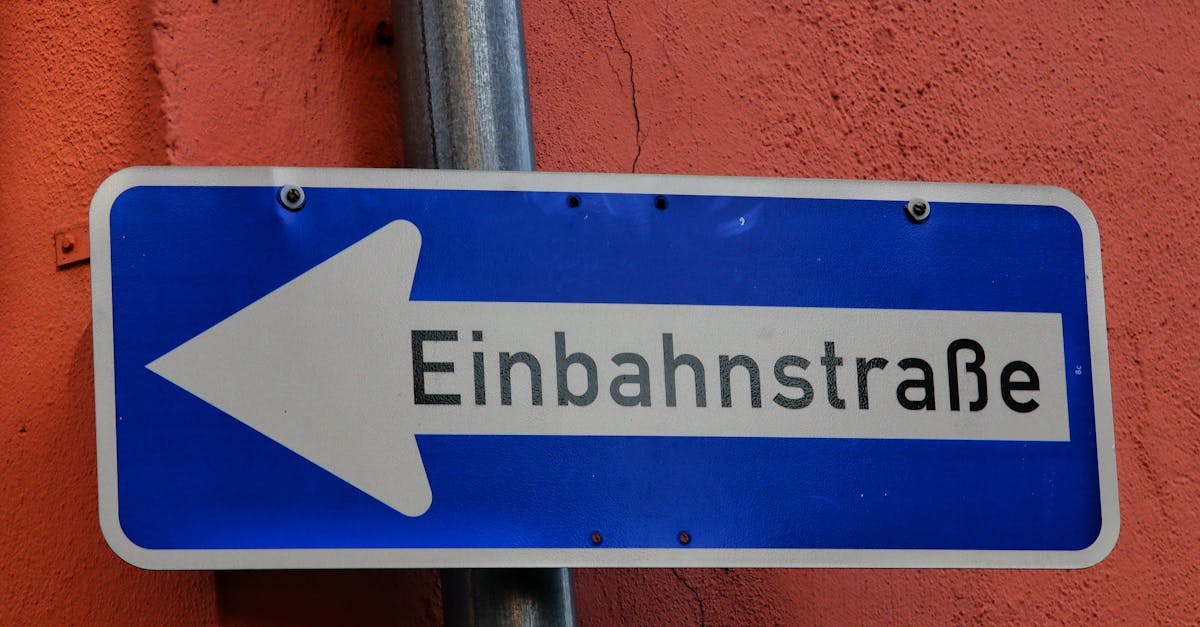 This photo was taken by Müca 🇩🇪 on Pexels.
Welcome to the heart of Europe, where Germany's rail network stands as a testament to efficiency, comfort, and connectivity. Whether you are planning a scenic journey through the Black Forest or a quick hop from Berlin to Munich, mastering the German railway system is your key to unlocking the country's true charm. In this comprehensive guide, we will demystify the Deutsche Bahn (DB) ecosystem, helping you navigate everything from choosing the right ticket type to understanding the nuances between regional and long-distance trains. We'll also share essential etiquette and practical onboard tips to ensure your travel experience is as smooth and enjoyable as the landscapes rolling by your window. Get ready to explore Deutschland with confidence and ease!
Mastering the DB App and Ticket Types
Navigating Germany's extensive rail network is effortless once you master the official Deutsche Bahn (DB) app, your ultimate travel companion for real-time schedules, platform updates, and seamless ticket purchases. The interface is intuitive, allowing you to filter journeys by speed, price, or comfort class, while its integrated map feature helps you visualize complex station layouts with ease. A crucial tip for travelers is to enable "offline mode" within the app before heading underground at major hubs like Berlin Hauptbahnhof or Munich, ensuring you can still access your tickets even in areas with spotty connectivity. Whether you are a solo backpacker or a family of four, the app's booking flow guides you through selecting the right fare, applying any discounts like the Deutschland-Ticket or BahnCard, and storing your e-tickets directly on your smartphone.
Understanding the diverse ticket types is equally vital to avoiding unnecessary costs and fines, as German rail pricing can be nuanced compared to other European systems. For spontaneous travelers, the Sparpreis (Saver Fare) offers significant savings if booked well in advance, though it locks you into a specific train, whereas the flexible Flexpreis allows unlimited changes on that route throughout the day. If your itinerary involves regional travel only, the D-Deutschland-Ticket has revolutionized commuting by offering an all-inclusive monthly pass for €49 across all local buses and trains nationwide. Conversely, for long-distance intercity routes, consider the BahnCard 25 or 50, which provide substantial percentage discounts on standard fares, making them a cost-effective investment for those planning multiple trips during their stay.
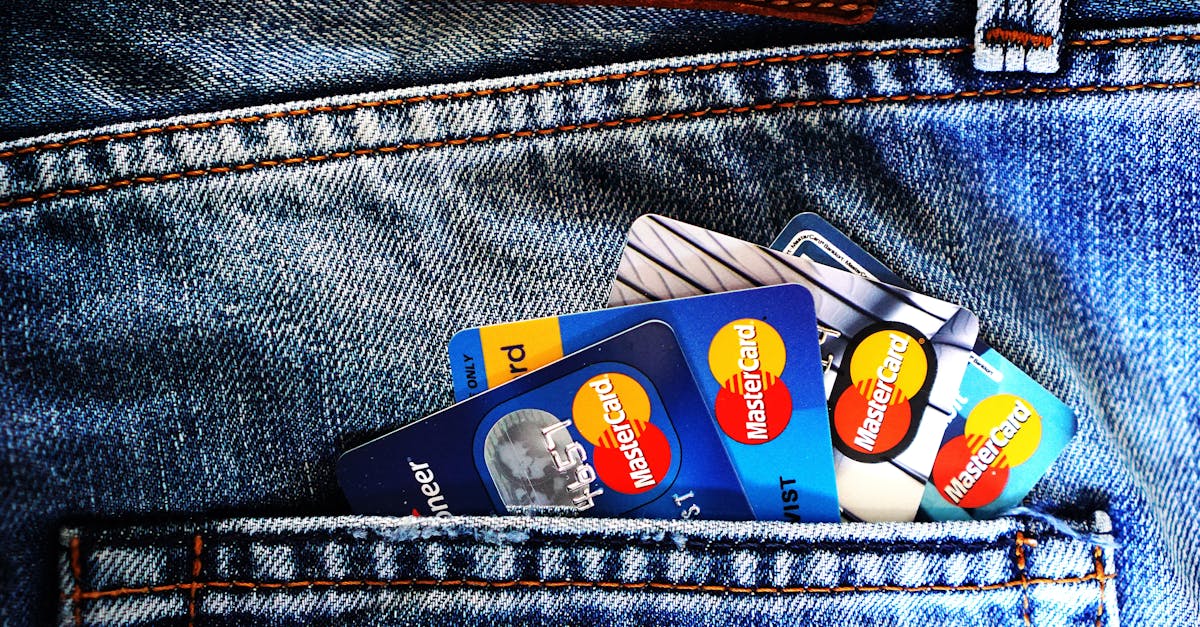 This photo was taken by Pixabay on Pexels.
Navigating Regional vs. Long-Distance Connections
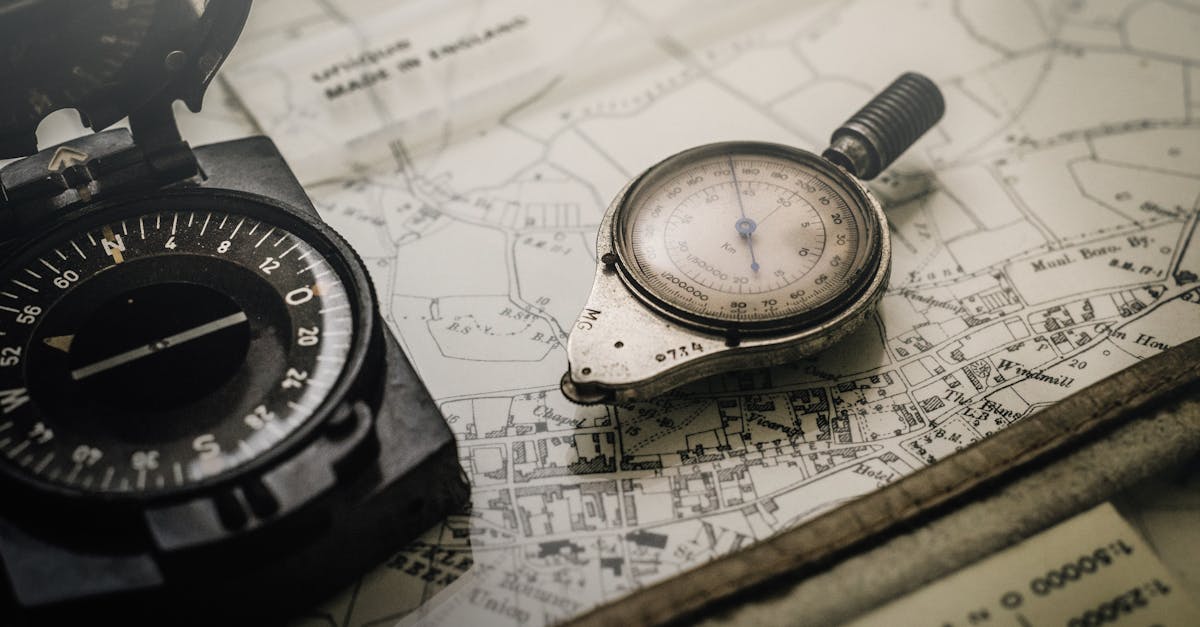 This photo was taken by Alex Andrews on Pexels.
Etiquette and Practical Tips for Onboard Travel
When boarding a German train, known as the Deutsche Bahn, respect for personal space and quiet is paramount. Passengers are expected to keep their voices low on phones and conversations should be kept to a whisper, particularly in the designated quiet carriages (Ruhebereich). It is also customary to validate your ticket if you purchased an unvalidated paper pass at a machine before boarding, though most modern tickets are digitally scanned directly from your smartphone app. Once seated, please ensure your luggage does not block aisles or doorways; large suitcases should be placed in the overhead racks or at the end of the carriage where they will not obstruct other travelers.
Practical navigation requires a bit of preparation, as station announcements and platform changes are often communicated in German only. Always check the digital display boards above the platforms or use the official DB Navigator app for real-time updates, as delays can occur due to infrastructure work or strikes. Remember that trains may stop at unexpected intermediate stations, so confirm your specific stop with the conductor immediately after boarding. Finally, while tipping is not mandatory on trains, it is polite to round up the fare or leave small change if you receive helpful service from staff, especially during complex journeys involving multiple transfers.
 This photo was taken by Monstera Production on Pexels.