Navigating Germany's Efficient Public Transport System
 This photo was taken by Ingo Joseph on Pexels.
Mastering the DB: Trains, Buses, and Regional Connections
Mastering the DB: Trains, Buses, and Regional Connections
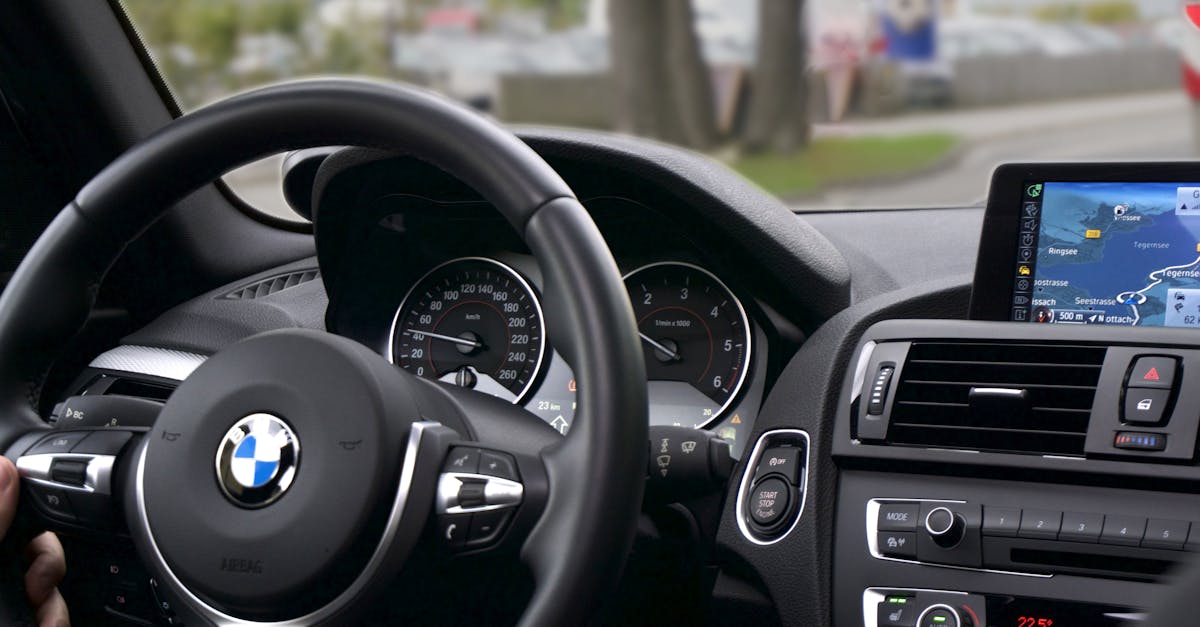
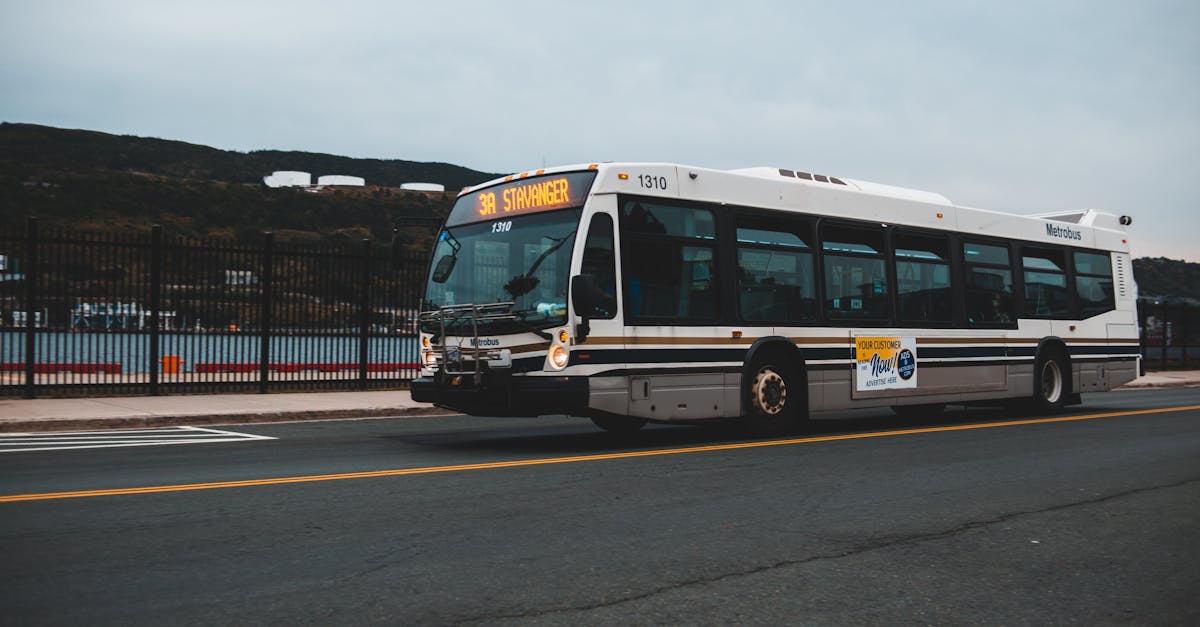
Germany's public transport backbone is anchored by Deutsche Bahn (DB), a network that seamlessly connects bustling metropolises like Berlin and Munich with charming villages in the Black Forest or along the Romantic Road. The iconic ICE (Intercity Express) trains whisk you across the country at speeds up to 300 km/h, offering a smooth and scenic alternative to flying, while regional RE and RB trains provide an affordable way to explore local culture without the premium price tag. For those venturing into areas where train lines are sparse, the integrated bus services fill the gaps, ensuring that even remote alpine hamlets or riverside towns remain accessible through a unified ticketing system that makes multi-modal journeys surprisingly straightforward.
To truly master this system, travelers should familiarize themselves with the DB Navigator app, which serves as your digital companion for real-time schedules, platform updates, and dynamic route planning across all modes of transport. While long-distance travel often requires advance booking to secure the best fares on the Deutschland-Ticket, the new 49-euro monthly pass has revolutionized regional commuting, granting unlimited access to buses, trams, subways, and regional trains throughout Germany for locals and tourists alike. By embracing these tools and understanding the distinction between long-distance and regional zones, you can navigate the country with confidence, turning what might seem like a complex web of connections into an efficient and enjoyable part of your German adventure.
 This photo was taken by Magda Ehlers on Pexels.
The Art of Ticketing: From Single Journeys to Germany Passes
Germany's public transport network is a marvel of efficiency, but mastering its ticketing system is the first step to seamless travel. Unlike many countries where you simply tap and go, German trains and trams often require a valid ticket before boarding, with conductors performing rigorous random checks that carry steep fines for non-compliance. For short trips or spontaneous adventures, single-journey tickets are widely available at automated machines in stations and via user-friendly apps like DB Navigator, allowing you to select specific zones and times. It is crucial to remember that in most regions, you must validate your paper ticket by stamping it in the green or yellow machines before departure, while digital tickets purchased through an app are considered validated upon purchase.
For travelers planning to explore multiple cities or regions extensively, Germany offers a suite of flexible passes designed to maximize value and convenience. The iconic Deutschland-Ticket (D-Ticket) has revolutionized local travel, offering unlimited rides on all regional trains, buses, and trams across the entire country for a flat monthly rate, making it perfect for weekend explorers or long-term visitors. Alternatively, the BahnCard provides significant discounts on long-distance ICE and IC train journeys, which can be combined with day passes like the Länder-Tickets for state-specific travel. Understanding these options allows tourists to navigate from the bustling streets of Berlin to the romantic Rhine Valley without the stress of calculating individual fares for every leg of their journey.
 This photo was taken by Erik Mclean on Pexels.
Navigating City U-Bahn and S-Bahn Networks Like a Local
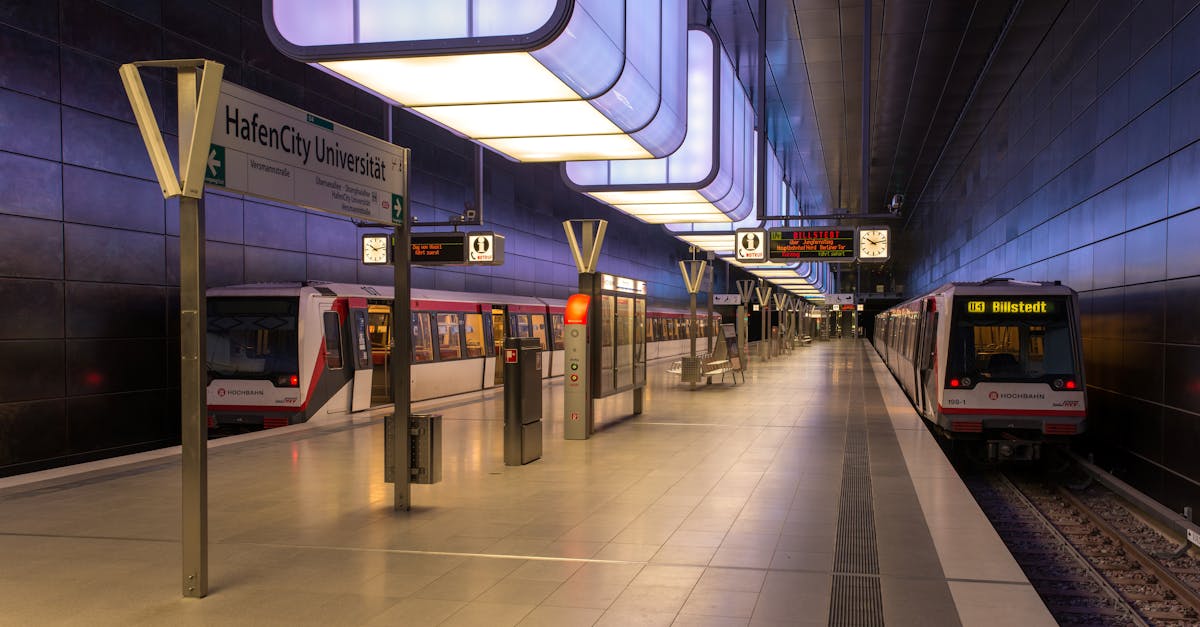
Mastering the distinction between the U-Bahn and S-Bahn is your first step toward seamless travel in German cities. The U-Bahn (Untergrundbahn) operates like a traditional subway, staying entirely underground within city centers with frequent stops ideal for short hops, while the S-Bahn (Schnellbahn) functions as an electrified regional rail network that often runs above ground to connect suburbs, airports, and neighboring towns. To navigate like a local, look for the distinct color-coded lines on station maps—U-Bahn lines are usually marked with a "U" followed by a number or letter, whereas S-Bahn lines feature an "S" prefix. Don't forget that both systems generally share the same ticket validity zones, so a single day pass can cover multiple transfers across different modes without needing separate fares.
To truly blend in, observe the practical etiquette of the stations: always stand to the right on escalators to let others pass, keep your voice low inside carriages, and ensure you have validated your ticket before boarding, as fines for fare evasion are strictly enforced by conductors who frequently check without warning. Many major hubs now offer real-time digital displays and mobile apps that provide live departure times and platform changes, which is invaluable during rush hour when trains arrive every few minutes. Whether you are rushing from Munich's Hauptbahnhof to a quick beer garden in the Englischer Garten or exploring the historic streets of Berlin via the U5, trusting these efficient networks will save you time and money compared to taxis or rental cars.
 This photo was taken by Wolfgang Weiser on Pexels.