Navigating Germany's Efficient Public Transport System as a Tourist
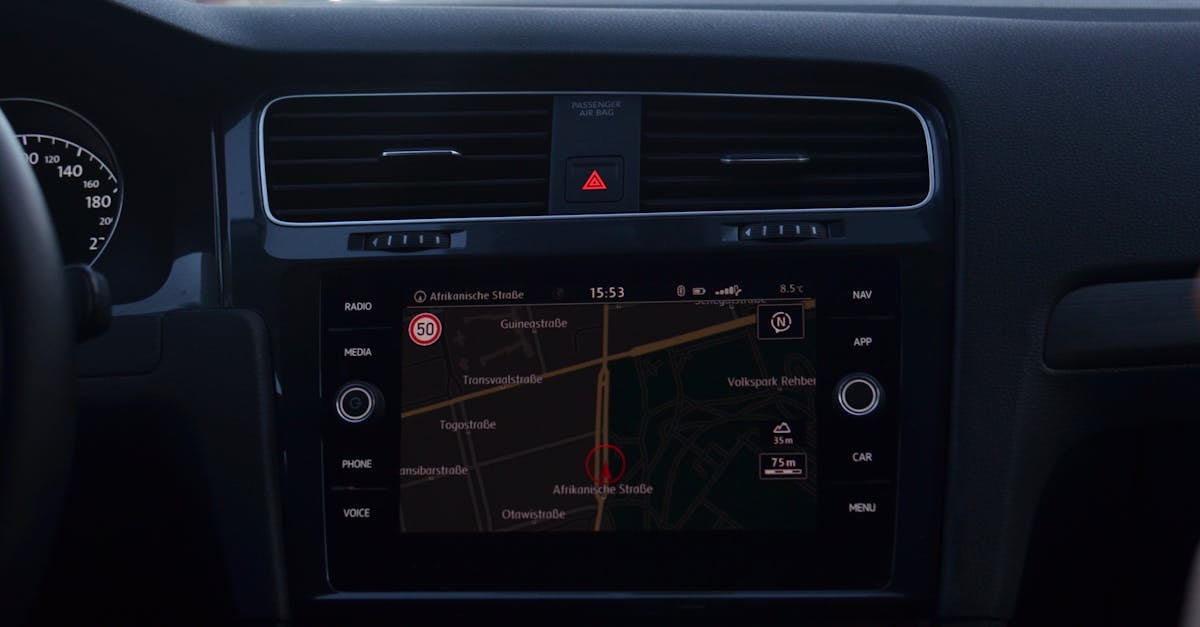 This photo was taken by Skylar Kang on Pexels.
Welcome to the heart of Europe, where a seamless web of trains, trams, and buses connects historic cities with picturesque villages. As your local guide, I can assure you that Germany's public transport system is not just efficient; it is an adventure in itself. Whether you are hopping from Berlin's vibrant streets to the Romantic Road or exploring the hidden gems of Bavaria, mastering this network is the key to unlocking the true charm of our country. In this post, we will dive into the Deutsche Bahn (DB) network, simplify ticket purchasing, and show you how to use modern apps and regional passes to travel like a pro. Get ready to explore Germany without the stress of driving, because the journey truly is as beautiful as the destination.
Understanding the DB Network and Ticket Types
Navigating Germany's public transport network begins with mastering the Deutsche Bahn (DB) system, the country's backbone for intercity travel and a reliable partner for regional journeys. Whether you are hopping from the historic streets of Munich to the industrial charm of Berlin or exploring the scenic Rhine Valley, DB trains connect major cities seamlessly while integrating smoothly with local buses and trams through the Verkehrsverbund systems. For tourists, understanding that Germany operates on a zone-based pricing model is crucial; tickets are often valid within specific geographical areas rather than just point-to-point, meaning a single ticket can cover multiple train changes as long as you stay within your designated zones.
To maximize your savings and convenience, familiarize yourself with the diverse ticket types available beyond standard full-price fares. The "Deutschland-Ticket" has revolutionized travel for budget-conscious visitors, offering unlimited access to all regional trains, trams, and buses across the entire country for a flat monthly rate, making it perfect for spontaneous day trips. Additionally, look out for special offers like the "Super Sparpreis," which provides significant discounts on long-distance ICE trains if booked well in advance, or the convenient "Group Ticket" for families and friends traveling together. Remember that unlike many other countries, most German trains require you to validate your paper ticket before boarding or ensure your digital ticket is activated via the DB Navigator app to avoid fines during random inspections.
 This photo was taken by Pixabay on Pexels.
Mastering City Transit with Day Passes and Apps
Germany's public transport network is renowned for its punctuality and extensive coverage, making day passes an essential tool for any visitor looking to explore cities like Berlin, Munich, or Hamburg without breaking the bank. Rather than purchasing individual tickets for every tram, bus, or U-Bahn ride, a single Tageskarte (day ticket) offers unlimited travel within specific zones for a fixed price, often including regional trains that connect city centers with nearby suburbs and attractions. These passes are incredibly flexible; many are valid across all modes of transport operated by different companies within the same tariff association, allowing you to hop from a historic cathedral to a trendy neighborhood café seamlessly while keeping your costs predictable and low.
To further streamline your journey, downloading official transit apps such as DB Navigator or local equivalents like BVG in Berlin and MVV in Munich is highly recommended. These digital companions provide real-time arrival information, platform changes, and service disruptions, ensuring you never miss a connection even during peak tourist seasons. Beyond just navigation, these apps allow you to purchase and store your day passes directly on your smartphone, eliminating the need to hunt for ticket machines or worry about language barriers at the counter. By combining the convenience of mobile technology with the affordability of day passes, you can navigate Germany's urban landscapes with the confidence of a local resident.
 This photo was taken by Roy Serafin on Pexels.
Regional Rail: The Best Way to Explore Small Towns
 This photo was taken by Erik Mclean on Pexels.