Navigating Public Transport: The German Rail System Explained
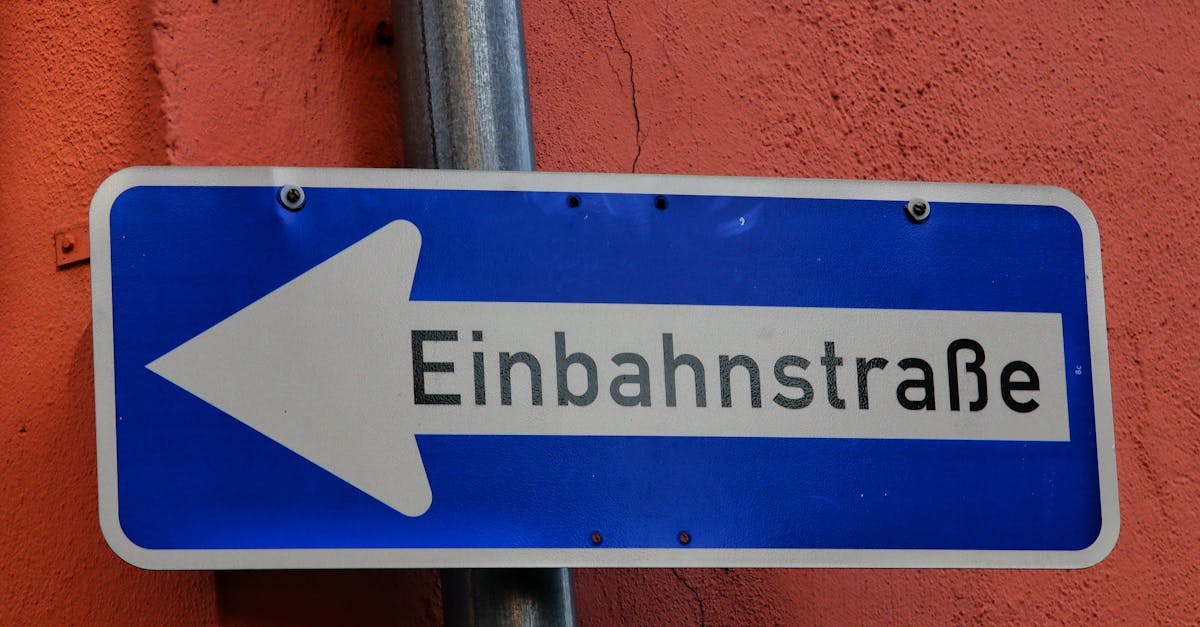 This photo was taken by Müca 🇩🇪 on Pexels.
Welcome to the heart of Germany, where the rhythmic hum of trains connects bustling cities with charming villages and breathtaking landscapes. Whether you are planning a weekend getaway in Bavaria or a cross-country adventure from Hamburg to Munich, mastering the German rail system is your key to seamless travel. This guide will demystify the Deutsche Bahn (DB) network, helping you choose the right ticket types, navigate complex stations with confidence, and distinguish between regional and long-distance services. Let's embark on a journey through one of Europe's most efficient transport systems together.
Understanding the DB Network and Ticket Types
Navigating Germany's public transport network begins with mastering the Deutsche Bahn (DB) system, the backbone of rail travel in the country. Whether you are zipping between major hubs like Berlin and Munich on high-speed ICE trains or exploring scenic regional routes on RE and RB services, understanding the DB app is your best companion for real-time schedules, platform changes, and delays. The network is incredibly extensive, seamlessly integrating trains with local trams, buses, and subways in most cities, meaning a single ticket often covers multiple modes of transport within a specific fare zone, making it easy to reach hidden gems off the beaten path without needing a car.
When it comes to purchasing tickets, the variety can seem daunting at first, but each type serves a specific traveler need. For spontaneous journeys, standard point-to-point tickets are available, though prices rise significantly closer to the departure time; conversely, booking Sparpreis (saver fares) weeks in advance offers substantial discounts on long-distance travel. Regional travelers should consider the Deutschland-Ticket for just 49 euros a month, which grants unlimited access to all local and regional transport across the entire nation, while day passes like the Quer-durchs-Land-Ticket offer cost-effective group options for weekend getaways. Always remember to validate your paper tickets before boarding or ensure your digital pass is active, as unvalidated tickets can result in hefty fines from conductors.
 This photo was taken by Pixabay on Pexels.
Navigating Stations with Ease: A Practical Guide
Once you step into a German train station, the sheer scale can be overwhelming, but mastering the digital tools makes navigation seamless. The Deutsche Bahn (DB) website and mobile app are your most reliable companions, offering real-time platform updates, delay notifications, and precise boarding times for every regional and long-distance connection. Pay close attention to the large electronic departure boards, known as Anzeige, which display not only the destination and train number but also the exact platform (Gleis) where your train will arrive; remember that platforms can change at the last minute, so keep an eye on the screens until your train is announced. For those traveling with luggage or in a hurry, look for the clear signage directing you to elevators and escalators, as many older stations lack them, making the journey smoother if you plan accordingly.
While the physical layout of major hubs like Berlin Hauptbahnhof or Munich Central Station can seem labyrinthine, understanding the basic flow of traffic helps you move with confidence. Stations are generally organized by direction and train type, with regional trains often departing from lower-numbered tracks and high-speed ICE trains utilizing dedicated lines. If you find yourself lost, don't hesitate to approach station staff wearing the distinctive blue uniforms or ask fellow passengers, as English is widely spoken in tourist areas. Additionally, familiarize yourself with the ticket validation machines located near the platform entrances; failing to validate your paper ticket before boarding can result in hefty fines, so ensure you stamp it immediately upon entering the platform area to avoid any awkward situations during your inspection.
 This photo was taken by Mike Bird on Pexels.
Regional vs. Long-Distance Trains: What You Need to Know
When exploring Germany by rail, understanding the distinction between Regional (RB/RE) and Long-Distance (ICE/IC) trains is crucial for a smooth journey. Regional trains connect smaller towns and cities within specific federal states or neighboring regions, offering frequent stops at local stations and serving as the backbone of daily commutes; they are typically covered by various state-specific transport passes like the Bayern-Ticket or NRW-Tarif. In contrast, Intercity Express (ICE) and Intercity (IC) trains are designed for high-speed travel across vast distances, linking major hubs like Berlin, Munich, and Hamburg with minimal stops. While regional services provide an authentic glimpse into the German countryside at a leisurely pace, long-distance trains offer unmatched speed and comfort for intercity travel, though they require separate ticketing and often benefit from advance booking to secure lower fares.
Navigating the system effectively means knowing which ticket applies to your route, as a standard regional pass will not grant access to an ICE train unless you pay the necessary supplement. For tourists, this distinction can significantly impact both cost and itinerary planning; sticking to regional networks allows for flexible, hop-on-hop-off exploration without rigid schedules, whereas long-distance lines demand more precise timing but save valuable hours on your trip. It is also worth noting that while long-distance trains feature amenities like dining cars and power outlets at every seat, regional trains vary widely in age and facilities, so checking the train type before boarding ensures you have the right expectations for your German adventure.
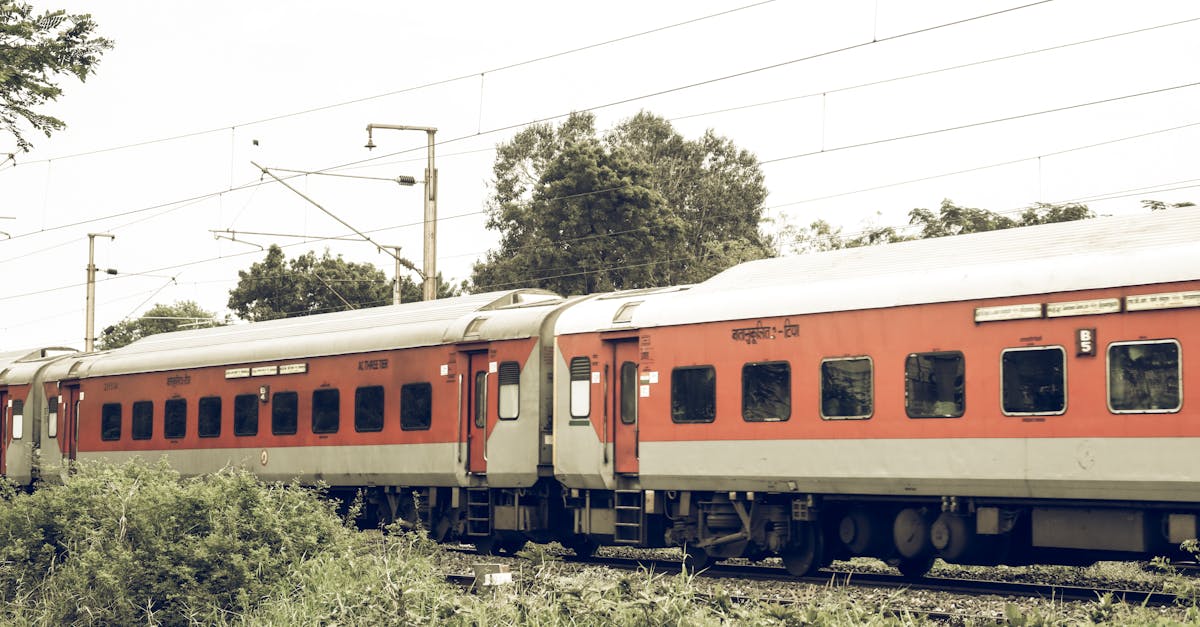 This photo was taken by GOWTHAM AGM on Pexels.