Navigating Public Transport: The Perfect Way to Explore
 This photo was taken by Michał Robak on Pexels.
Welcome to the heart of Germany, a country where the rhythm of travel is set by its world-class public transport system. Whether you are hopping on a high-speed ICE train to explore historic castles or navigating the bustling streets of Berlin and Munich, mastering local transit is your golden ticket to an authentic German adventure. Forget the hassle of parking and expensive taxis; instead, embrace the efficiency and connectivity that define our journey. In this guide, we will walk you through essential tools like the DB App, demystify ticket zones, and show you how to seamlessly transition between urban subways and regional ferries to uncover both major cities and hidden gems off the beaten path.
Mastering the DB App and Ticket Zones
To truly embrace the German public transport network, mastering the DB Navigator app is your golden ticket to seamless travel across the country. This comprehensive tool not only provides real-time departure and arrival times for trains, buses, and trams but also allows you to purchase tickets instantly, eliminating the stress of hunting for machines in busy stations. Whether you are catching a high-speed ICE train from Berlin to Munich or hopping on a local tram in Hamburg, the app's intuitive interface offers step-by-step navigation and live delay updates, ensuring you never miss a connection while exploring Germany's diverse landscapes.
A crucial aspect of using these services efficiently is understanding the complex yet logical system of fare zones, which vary significantly between cities and regions. In major metropolitan areas like Berlin or Munich, your journey is divided into concentric rings (such as Zone AB or ABC), where the price depends on how far you travel; crossing zone boundaries requires a specific ticket type, so always double-check your route before boarding. By familiarizing yourself with these maps within the DB app or at station kiosks, you can avoid costly fines and ensure that your chosen ticket covers every leg of your adventure, allowing you to focus entirely on enjoying the sights rather than worrying about transit regulations.
 This photo was taken by Hüsna Kefelioğlu on Pexels.
City U-Bahn and S-Bahn: A Seamless Urban Network
Germany's urban public transport systems are renowned for their efficiency and integration, offering visitors a hassle-free way to glide through bustling metropolises like Berlin, Munich, and Hamburg. The U-Bahn (subway) and S-Bahn (commuter rail) form the backbone of these networks, connecting historic city centers with vibrant suburbs and major attractions in mere minutes. With frequent departures that often run every few minutes during peak hours and late into the night, travelers can easily navigate complex cities without worrying about traffic congestion or parking difficulties, making it the ideal choice for both short hops and longer cross-city journeys.
Beyond mere convenience, these systems serve as a seamless bridge between Germany's rich cultural heritage and its modern lifestyle. Most stations feature clear signage in multiple languages, intuitive ticket machines, and real-time digital displays that keep passengers informed about delays or platform changes. Whether you are hopping on an S-Bahn to reach the iconic Brandenburg Gate from the outskirts or diving deep into the underground U-Bahn lines to explore hidden neighborhoods, the unified fare structures across many regions allow for smooth transfers between different modes of transport, ensuring your exploration of German cities remains as fluid and stress-free as possible.
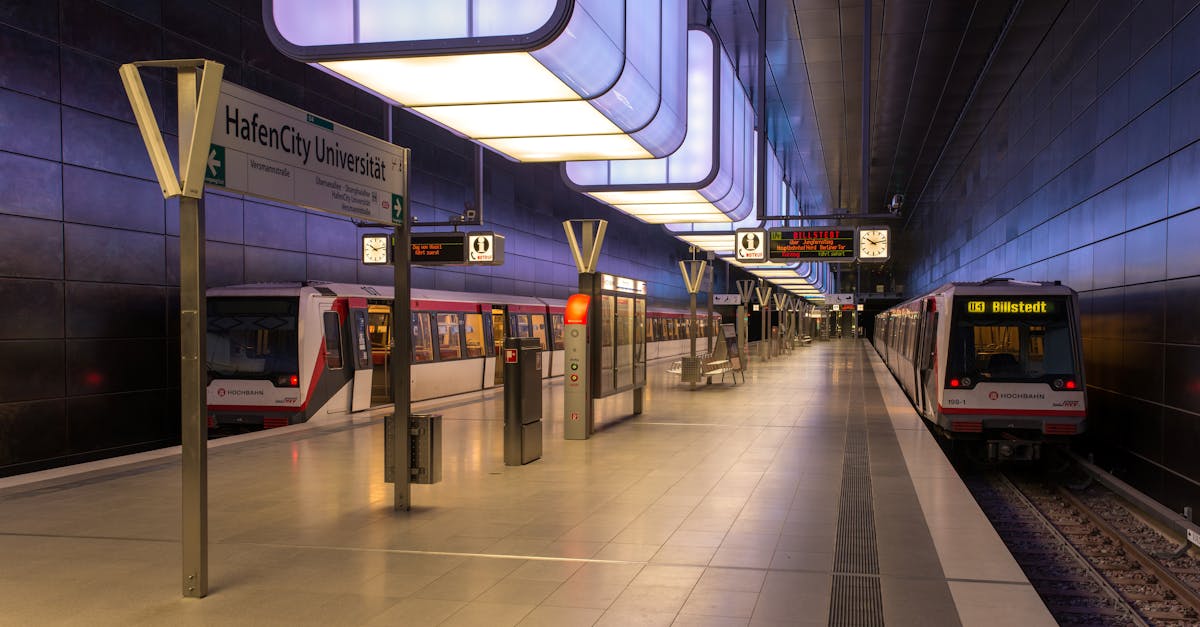 This photo was taken by Wolfgang Weiser on Pexels.
Regional Buses and Ferries: Reaching Hidden Gems
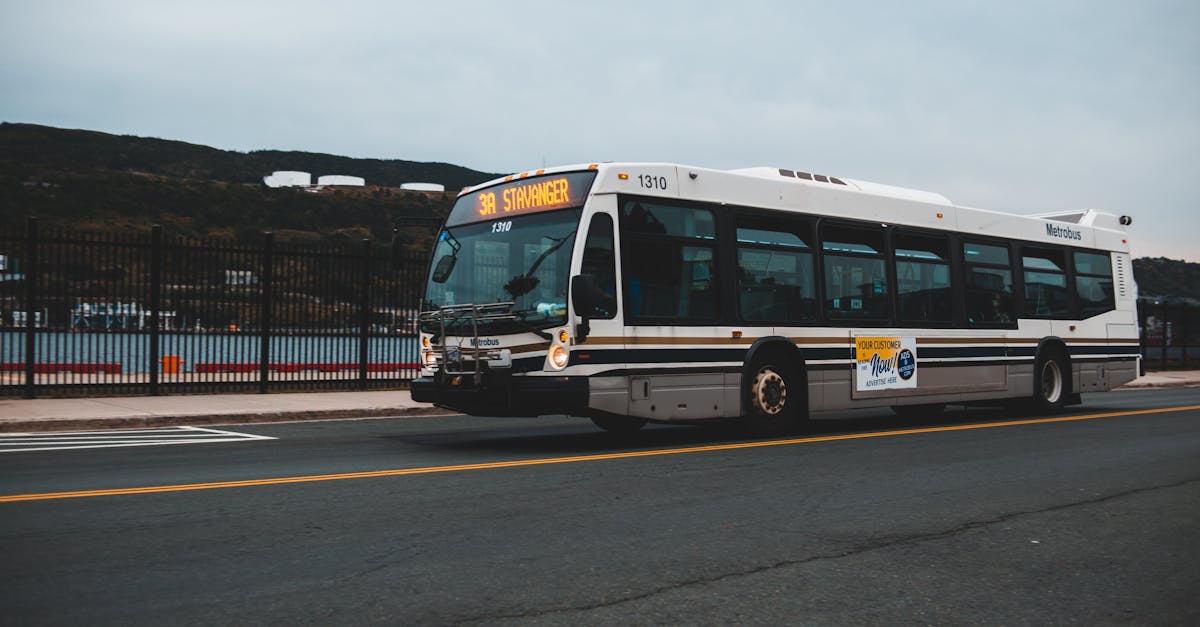
While trains often steal the spotlight in Germany's transit network, regional buses and ferries offer a more intimate connection to the country's breathtaking hinterlands. These essential services act as the vital arteries reaching remote villages nestled in the Black Forest, the rolling hills of Bavaria, or the rugged coastlines of the North Sea, where high-speed rail simply cannot go. Whether you are hopping on a local "RegioBus" to discover a centuries-old timber-framed house or boarding a ferry across Lake Constance to reach the charming town of Lindau, these journeys provide an authentic rhythm of daily German life, allowing travelers to witness landscapes that remain untouched by mass tourism.
Navigating these smaller vessels and routes is surprisingly seamless thanks to the integrated tariff systems like the DB Navigator app or regional day passes, which often cover both bus and ferry connections within specific states. For instance, the iconic MV Friedrichshafen ferry offers not just a crossing but a scenic tour of the lake's islands, while specialized hiking buses in areas like Saxon Switzerland transport cyclists and hikers directly to trailheads with ample space for gear. By embracing these modes of transport, you unlock access to the true hidden gems of Germany, ensuring your itinerary includes those serene, off-the-beaten-path destinations that define the soul of the country beyond its major cities.
 This photo was taken by Erik Mclean on Pexels.