Navigating Public Transport: Your Complete U-Bahn and S-Bahn Guide
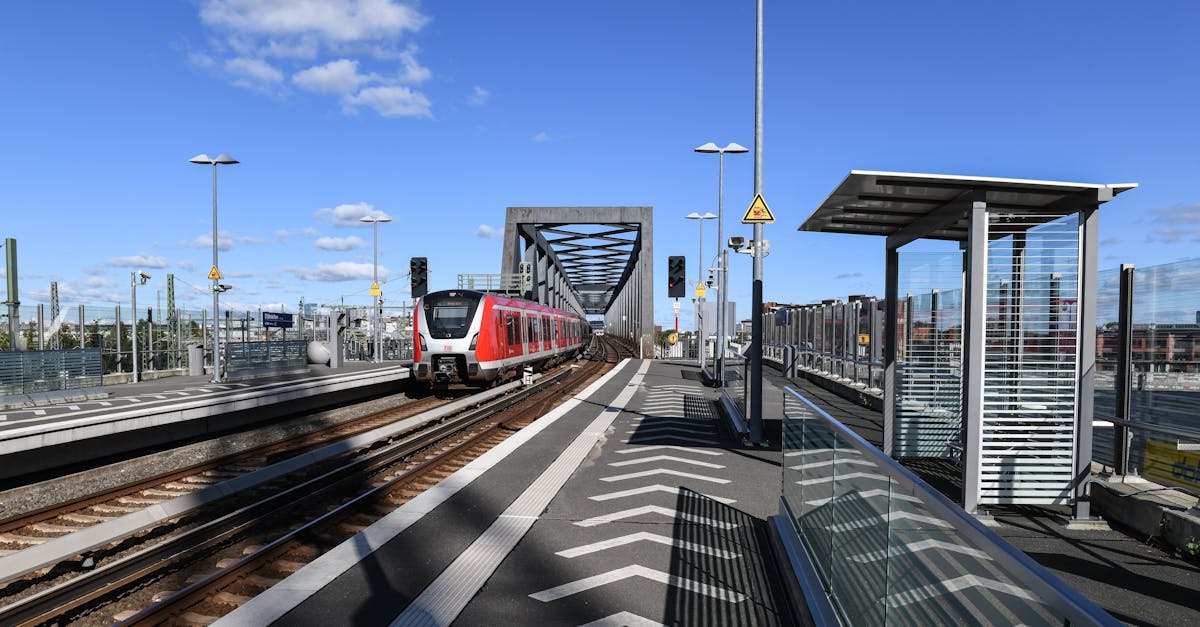 This photo was taken by Wolfgang Weiser on Pexels.
Welcome to the beating heart of Germany's urban mobility! Whether you are exploring the historic streets of Berlin, the vibrant squares of Munich, or the bustling avenues of Hamburg, mastering the local public transport system is your golden ticket to an effortless journey. For many visitors, the distinction between the city's rapid transit lines can be confusing at first glance, but fear not—this guide is here to demystify the network. We will break down the crucial differences between the U-Bahn and S-Bahn systems, simplify the often-complex world of tickets, fares, and validation rules to ensure you never face a fine, and share essential insider tips that serve both daily commuters and curious tourists alike. Get ready to navigate our cities with confidence and discover Germany like a local.
Understanding the Network: Key Differences Between U-Bahn and S-Bahn
When exploring Germany's urban landscapes, distinguishing between the U-Bahn (Untergrundbahn) and S-Bahn is essential for seamless travel. The U-Bahn operates primarily as a rapid transit metro system, confined within city limits with frequent stops that make it ideal for short-distance journeys through dense metropolitan centers like Berlin or Munich. In contrast, the S-Bahn functions as a suburban railway network, often running on elevated tracks or at ground level, connecting the city center to surrounding towns and regions. While the U-Bahn focuses on high-frequency service during peak hours within the urban core, the S-Bahn offers broader coverage with longer intervals, serving as the vital link between the bustling city and its quieter outskirts.
Another crucial difference lies in their operational zones and ticketing structures, which can impact your travel budget and planning. Both systems generally operate under the same regional transport associations, such as BVG in Berlin or MVV in Munich, allowing you to use a single ticket for transfers between lines; however, fare zones are defined differently based on distance from the city center. The U-Bahn is almost exclusively contained within Zone A or B, making it straightforward for tourists staying centrally located, whereas the S-Bahn frequently crosses multiple zones to reach distant suburbs or airports. Understanding this distinction ensures you purchase the correct tariff zone, avoiding fines while maximizing your ability to explore everything from historic city squares to scenic countryside villages just beyond the urban sprawl.
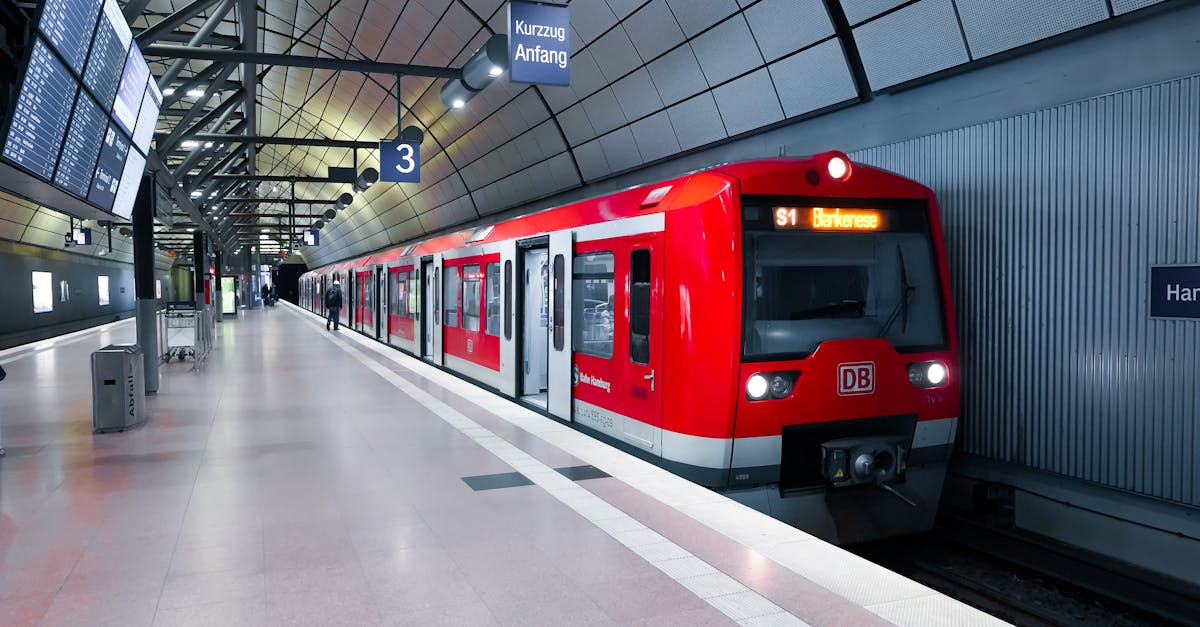 This photo was taken by Wolfgang Weiser on Pexels.
Mastering Tickets, Fares, and Validating Your Pass
Understanding the fare zones and ticket types is your first step toward seamless travel in Germany's extensive U-Bahn and S-Bahn networks. Most cities are divided into tariff zones, typically labeled A, B, and sometimes C for airport connections, so ensure you purchase a ticket that covers every zone you will traverse; buying a single-zone ticket when you need to cross into another can result in an on-the-spot fine from inspectors. While digital tickets via official apps like DB Navigator or local transit providers offer great convenience, paper tickets remain widely accepted and often cheaper at machines located inside stations. Remember that day passes (Tageskarte) or group tickets (Gruppenticket) are excellent value if you plan multiple trips in one day or are traveling with family, but always check the specific validity times, as some night services may require a separate supplement.
A critical rule that catches many tourists off guard is the requirement to validate your paper ticket before boarding. In Germany, most standard single-journey tickets are not pre-validated by the turnstiles; instead, you must stamp them using the yellow or green validation machines found on platforms and station concourses. If you board without this time-stamp, your ticket is considered invalid, regardless of whether it was purchased correctly, and you risk a heavy penalty fee. Conversely, if you have bought a mobile ticket with a QR code or a season pass loaded onto a smart card, these are electronically activated upon purchase and do not require physical validation, though you should keep your device charged and ready for random checks by the conductors who patrol the trains and stations.
 This photo was taken by Pixabay on Pexels.
Essential Tips for Commuters and Tourists Alike
To make the most of Germany's efficient public transport network, always remember to validate your ticket before boarding; simply stamp it in the yellow or blue machines located on platforms and inside trains if you haven't done so at a vending machine. While U-Bahn and S-Bahn systems are generally punctual and cover major cities extensively, be aware that service frequencies can drop significantly late at night or on Sundays, so checking the DB Navigator app or local station displays is crucial for planning your return journey. Additionally, keep an eye out for "Bereitschaft" signs on doors, indicating which carriages are currently open, as not all doors will unlock automatically on older trains.
Tourists often overlook the importance of wearing headphones in crowded carriages, but German commuters highly value quiet and order, so keeping noise levels down is considered polite etiquette. When traveling with luggage or strollers, try to avoid rush hour times between 7:00 AM and 9:00 AM, as trains can become extremely packed, making it difficult to navigate through narrow aisles. Finally, familiarize yourself with the color-coded lines and station symbols, as they are consistent across almost all major cities like Berlin, Munich, and Hamburg, ensuring you never lose your way even if you don't speak the language fluently.
 This photo was taken by SHVETS production on Pexels.