Navigating the Autobahn: Tips for Renting a Car in Germany
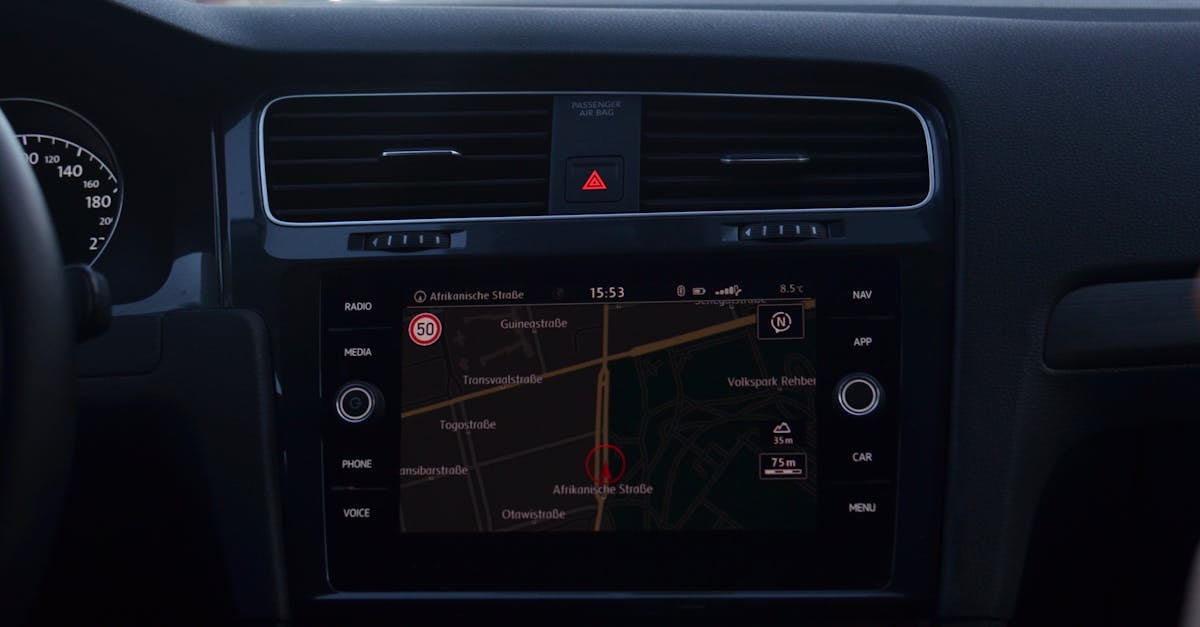 This photo was taken by Skylar Kang on Pexels.
Welcome to the heart of German travel! While our historic cities and picturesque villages are world-famous, nothing quite captures the spirit of adventure like hitting the open road. Germany's Autobahn network is legendary for its freedom and engineering, offering a unique driving experience that can be both exhilarating and daunting for first-timers. Whether you are planning a romantic drive through the Black Forest or an epic cross-country tour from Munich to Berlin, renting a car gives you the ultimate flexibility. However, mastering the rules of the road here requires a bit of preparation. In this guide, we will walk you through everything you need to know, from choosing the right vehicle for our varied terrain to understanding the unwritten etiquette of high-speed sections and ensuring you have all the essential documents and insurance covered. Get ready to explore Deutschland on your own terms with confidence!
Choosing the Right Vehicle for German Roads
When embarking on a journey through Germany's diverse landscapes, selecting the appropriate vehicle is paramount for both comfort and efficiency. While compact cars are ideal for navigating the narrow, cobblestone streets of historic towns like Rothenburg ob der Tauber or the bustling city centers of Munich and Berlin, a mid-size sedan or SUV often provides the necessary stability and power for long stretches on the Autobahn. Remember that German highways have no general speed limit on many sections, so ensuring your rental car has excellent handling, reliable braking systems, and comfortable seating is crucial for maintaining safety during high-speed travel.
Additionally, be mindful of specific regional requirements and environmental zones when making your choice. Many major German cities enforce strict Umweltzonen (low-emission zones) where only vehicles with a valid green air quality sticker can enter; ensure your rental agency includes this sticker in your contract to avoid heavy fines. Furthermore, if you plan to explore mountainous regions such as the Bavarian Alps or the Black Forest, consider requesting a vehicle with all-wheel drive or at least winter tires during the colder months, as local regulations may mandate their use from October to Easter depending on weather conditions.
 This photo was taken by AI25.Studio Studio on Pexels.
Understanding Autobahn Etiquette and Speed Limits
While the iconic German Autobahn is famous for its unrestricted sections, understanding the nuanced etiquette and varying speed limits is crucial for a safe journey. Although many stretches have no official upper limit, a recommended advisory speed of 130 km/h (81 mph) exists; exceeding this significantly can increase your liability in case of an accident. Drivers must strictly adhere to posted maximums in urban areas, construction zones, or near residential communities, where limits often drop to 50 or 70 km/h. Furthermore, overtaking on the right is illegal except in heavy traffic conditions, and it is vital to use the left lane solely for passing before moving back to the right, ensuring a smooth flow of traffic for everyone.
Another essential aspect of Autobahn etiquette involves proper signaling and yielding to emergency vehicles, which hold absolute priority on all lanes. If you encounter a flashing blue light from behind, you are legally required to pull over to the shoulder immediately, even if you are currently traveling at the legal limit, and wait until the vehicle has passed. Additionally, maintaining a safe following distance is not just good practice but a strict legal requirement, calculated as half the speedometer reading in meters (e.g., 65 meters at 130 km/h). Failing to observe these rules can result in hefty fines and points on your license, so always stay vigilant and respect the dynamic environment of Germany's world-renowned highway system.
 This photo was taken by Markus Winkler on Pexels.
Essential Documents and Insurance Requirements
Before you even pick up your keys at the rental counter, ensure your documentation is flawless to avoid any unnecessary delays. As a non-EU resident, you will need a valid driver's license from your home country paired with an International Driving Permit (IDP), which serves as a crucial translation for German authorities. While most major credit cards are widely accepted for security deposits, it is wise to carry a secondary form of payment and your passport, as some agencies may request proof of identity beyond just the license. Remember that if your license is not in Roman script, the IDP becomes mandatory, so double-check this requirement well before your departure to prevent being turned away at the airport.
Regarding insurance, Germany mandates third-party liability coverage for all vehicles, but the standard inclusion in rental agreements often comes with a high deductible, known as the "self-retention." To fully enjoy the freedom of the Autobahn without anxiety over potential accidents or minor fender benders, I strongly recommend upgrading to a comprehensive package that includes Collision Damage Waiver (CDW) and theft protection with reduced excess. Additionally, verify whether your personal travel insurance or credit card benefits already cover rental car incidents in Europe, as this could save you money; however, do not rely on these policies alone given the strict regulations and high costs associated with vehicle repairs in Germany.
 This photo was taken by DΛVΞ GΛRCIΛ on Pexels.