Planning Your First Trip to Germany: A Complete Checklist
 This photo was taken by Marina Leonova on Pexels.
Welcome to the land of castles, culture, and incredible cuisine! As your local guide, I am thrilled to help you embark on your first adventure through Germany. Whether you dream of exploring the historic streets of Berlin, sipping wine in the Romantic Road's vineyards, or hiking the Bavarian Alps, this comprehensive checklist is designed to make your journey seamless and unforgettable. We will walk you through everything from securing the essential documents and understanding visa requirements to mastering our efficient public transport system and discovering the top must-visit destinations that define this beautiful country. Get ready to pack your bags; your German experience starts here!
Essential Documents and Visa Requirements
Before you pack your bags for the German adventure, securing the right paperwork is your absolute first step. As a member of the Schengen Area, Germany allows citizens from many countries to enter visa-free for short stays of up to 90 days within any 180-day period for tourism or business purposes; however, travelers from non-exempt nations must apply for a Schengen Visa at the nearest German embassy or consulate well in advance of their departure. Regardless of your nationality, ensure your passport remains valid for at least three months beyond your intended date of departure and contains two blank pages, as border officials are strict about this requirement. It is also highly advisable to carry proof of accommodation, such as hotel reservations or an invitation letter from a host, along with evidence of sufficient funds and a return flight ticket, as these documents may be requested upon entry to demonstrate the purpose and duration of your visit.
Once your travel documents are in order, consider obtaining comprehensive travel insurance that covers medical emergencies, hospitalization, and repatriation, as this is not only a mandatory condition for most visa applications but also a smart safeguard against unexpected costs during your trip. While the healthcare system in Germany is excellent, visitors without EU health cards will face significant out-of-pocket expenses without coverage. Additionally, if you plan to drive a rental car, remember that an International Driving Permit (IDP) is required alongside your valid home country license for many nationalities, even though English translations are often accepted by local authorities. Taking the time to verify these specific requirements ensures a smooth arrival and lets you focus entirely on exploring Germany's rich history, vibrant cities, and breathtaking landscapes without administrative worries.
 This photo was taken by DΛVΞ GΛRCIΛ on Pexels.
Navigating Germany's Public Transport System
Germany boasts one of the most extensive and efficient public transport networks in Europe, making it incredibly easy to explore without a car. Whether you are navigating the bustling U-Bahn and S-Bahn systems in Berlin or hopping on regional trains (RE) and intercity express lines (ICE), connectivity is seamless across major cities and rural areas alike. To get started, download the official "DB Navigator" app, which provides real-time schedules, platform updates, and ticket purchasing options for both Deutsche Bahn and local transit authorities. For short stays within specific regions, consider regional day passes like the Bayern-Ticket or Schleswig-Holstein-Ticket, which offer unlimited travel on local trains and buses at a fraction of the cost of individual tickets.
While the system is generally punctual, it is essential to familiarize yourself with the validation rules before boarding, as failing to stamp your paper ticket can result in hefty fines from conductors who frequently check passengers. In many cities, including Munich and Hamburg, you will also find integrated mobility hubs where trams, buses, and trains connect perfectly, often allowing transfers within a single fare zone. Remember that bicycles are welcome on most trains outside of rush hours, and there are dedicated bike racks on nearly every tram and train carriage, encouraging an eco-friendly way to combine two of Germany's favorite modes of transport during your journey.
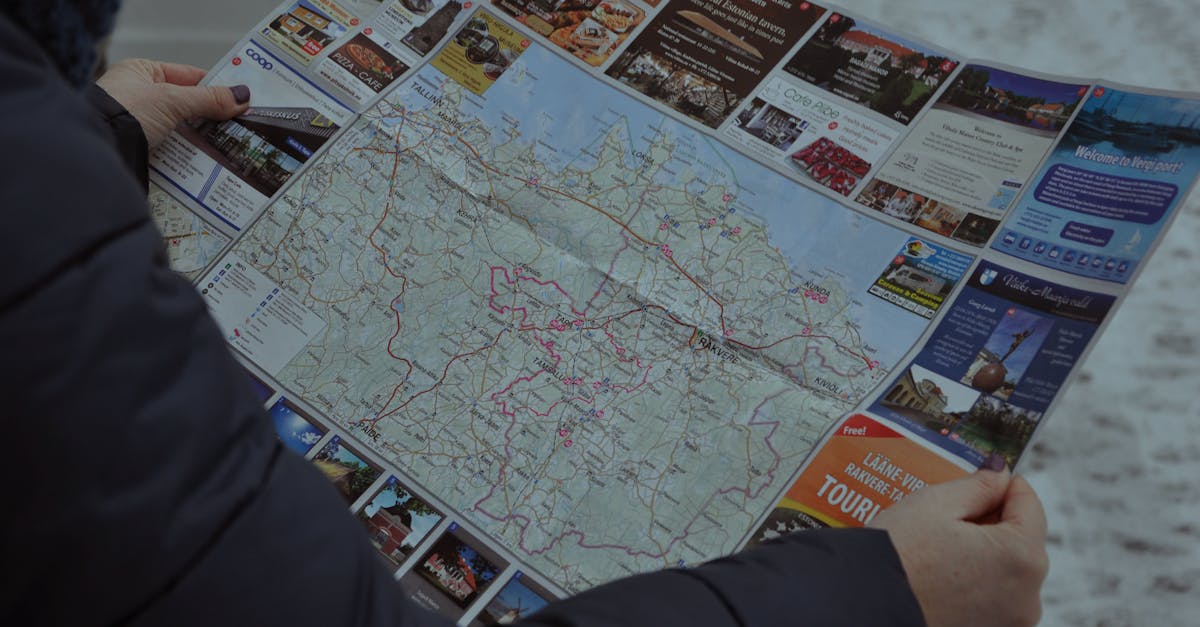 This photo was taken by Kseniia Bezz on Pexels.
Top Must-Visit Destinations for First-Timers
For your inaugural journey, start in the vibrant heart of Berlin, where history comes alive amidst a dynamic modern culture. Wander through the remnants of the Wall at the East Side Gallery and immerse yourself in world-class museums on Museum Island before experiencing the city's legendary nightlife. Just a short train ride away lies Munich, offering a perfect blend of Bavarian tradition and urban sophistication; here, you can explore the sprawling Englischer Garten, visit the iconic Marienplatz to hear the Glockenspiel chime, and perhaps enjoy a genuine Weisswurst breakfast in a historic beer garden.
No first-time itinerary is complete without witnessing the fairy-tale allure of the Romantic Road, which winds past the medieval charm of Rothenburg ob der Tauber and leads you toward the majestic Neuschwanstein Castle in the Bavarian Alps. This architectural marvel inspired Disney and offers breathtaking views that seem plucked from a storybook, especially when surrounded by snow-capped peaks in winter or lush green valleys in summer. To round out your experience, consider a trip to Cologne along the Rhine River, where the towering Gothic cathedral dominates the skyline and serves as a gateway to the picturesque vineyards and charming towns of the Middle Rhine Valley.
 This photo was taken by Valentin Vesa on Pexels.