Planning Your First Trip to Germany: Essential Tips and Etiquette
 This photo was taken by Marina Leonova on Pexels.
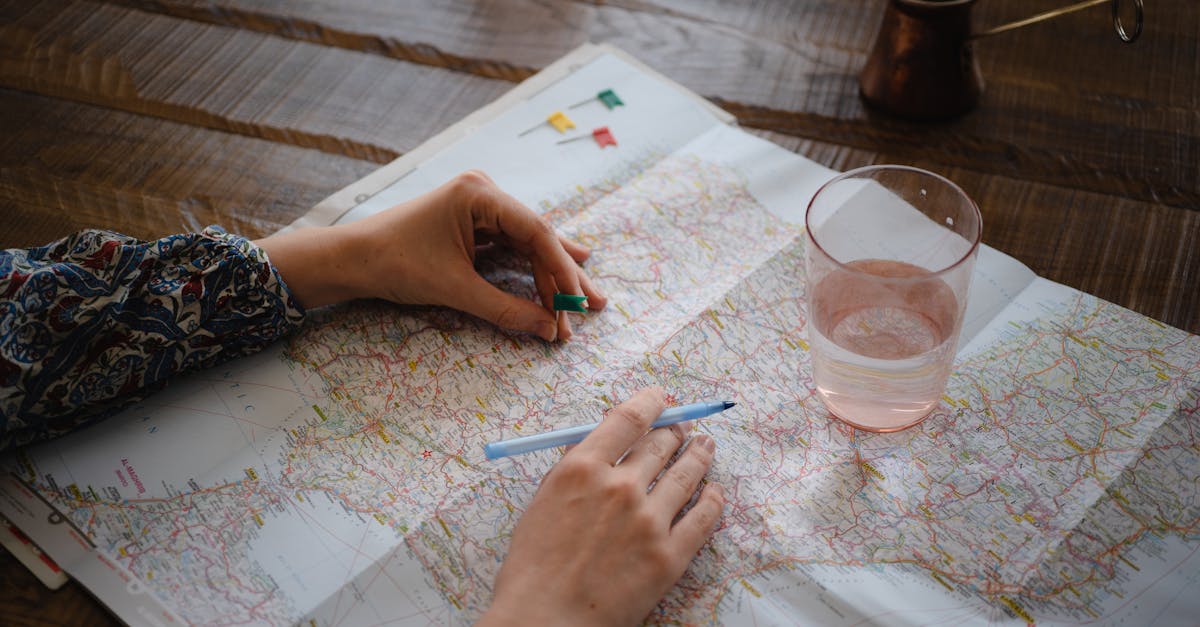
Willkommen in Deutschland! Whether you are dreaming of the fairytale castles of Bavaria, the historic charm of Berlin, or the rolling vineyards of the Mosel Valley, planning your first trip to this diverse European nation can be both exciting and daunting. As a local guide, I know that understanding the unique rhythm of German life is just as important as booking your tickets. This guide is designed to help you navigate the country with confidence, ensuring you respect local customs while making the most of your journey. From mastering the art of punctuality and quiet conversations to unlocking the secrets of our efficient rail network and finding hidden gems that won't break the bank, we've got you covered. Let's dive into the essentials so you can focus on creating unforgettable memories across Germany.
Navigating German Etiquette: Do's and Don'ts for Visitors
When exploring Germany, respecting local customs regarding punctuality and formality is paramount for a smooth experience. Always arrive on time for appointments, tours, or social gatherings, as being even a few minutes late can be perceived as disrespectful; if you anticipate a delay, a prompt notification is expected. Furthermore, maintain a degree of formality in initial interactions by using the formal "Sie" rather than the informal "du" when addressing strangers, shopkeepers, or service staff until invited otherwise. This linguistic distinction extends to greetings as well, where a firm handshake with direct eye contact is the standard introduction, whereas overly familiar gestures like hugging or kissing cheeks should be avoided during first meetings.
Dining etiquette also plays a crucial role in your cultural immersion, particularly the unspoken rule that saying "Guten Appetit" before eating is mandatory to show appreciation for the meal. Conversely, avoid tipping aggressively or rounding up bills excessively; instead, it is customary to state the total amount you wish to pay including the tip directly to the waiter when settling the bill at the table. Additionally, remember that Sundays are largely reserved for rest and quiet activities; shops remain closed, and loud noises or public celebrations are frowned upon, so plan your shopping excursions for weekdays and keep noise levels down in residential areas to honor this cherished tradition of work-life balance.
 This photo was taken by Skylar Kang on Pexels.
Smart Transportation Tips: Trains, Buses, and Walking Tours
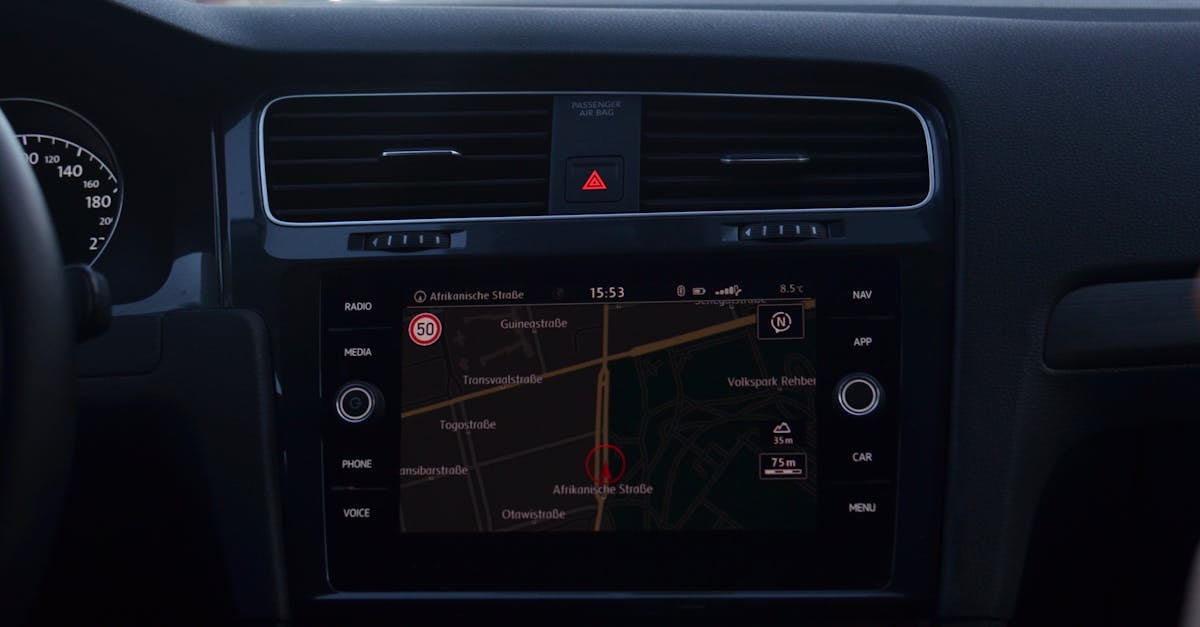
Navigating Germany is effortless thanks to its world-class public transportation network, where the Deutsche Bahn (DB) trains serve as the backbone of your journey. For seamless travel, I highly recommend downloading the official DB Navigator app to check real-time schedules, buy tickets instantly, and receive alerts about platform changes or delays; remember that while regional trains are often covered by state passes like the Deutschland-Ticket, long-distance ICE trains require seat reservations during peak seasons. Complementing the rail system, city buses and trams in major hubs like Berlin and Munich operate with impressive frequency and punctuality, allowing you to reach neighborhoods beyond the train stations easily. When boarding, always validate your paper ticket at the yellow machines if you haven't pre-purchased it online, as fines for riding without a valid ticket are strictly enforced and can be surprisingly high.Beyond motorized transit, exploring German cities on foot offers an intimate connection with local culture and hidden architectural gems that cars simply cannot provide. Many historic centers, such as those in Heidelberg or Rothenburg ob der Tauber, are pedestrian-only zones, making walking tours not just a practical necessity but a delightful way to soak in the atmosphere of cobblestone streets and charming cafes. To enhance your experience, consider joining guided walking tours available in most major cities, which often delve into fascinating historical anecdotes and local legends that you might miss on your own. However, please respect the local etiquette of keeping to the right side of sidewalks and yielding to cyclists, who share these paths responsibly, ensuring a harmonious flow for all pedestrians and visitors alike.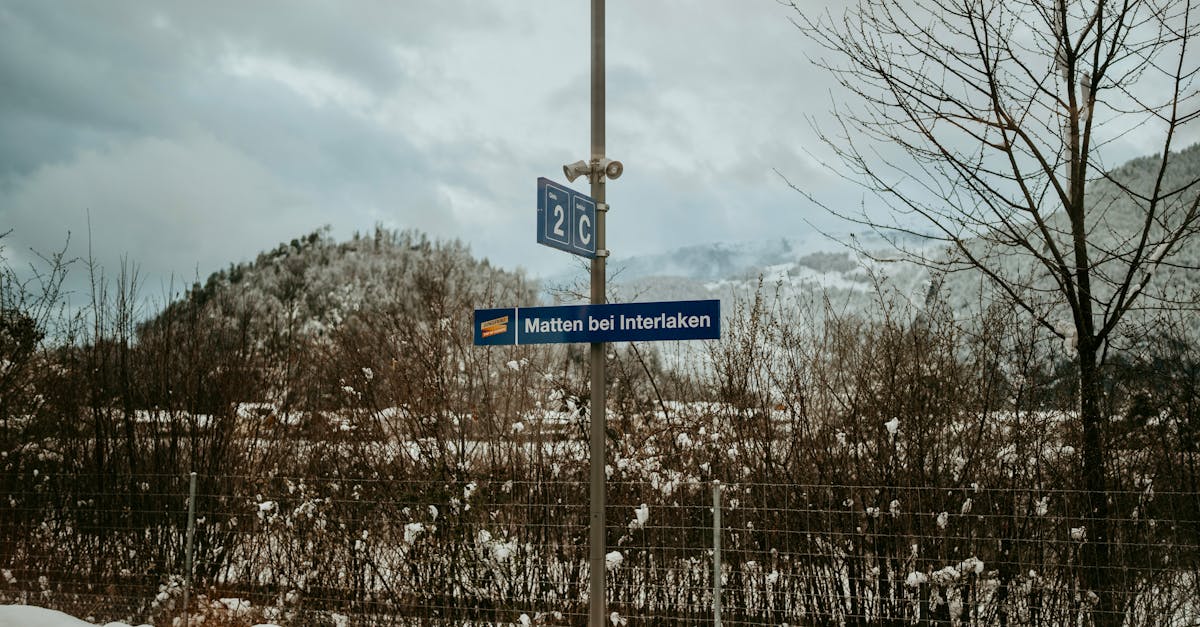 This photo was taken by Parth Patel on Pexels.
Budgeting Wisely: Hidden Costs and Money-Saving Secrets
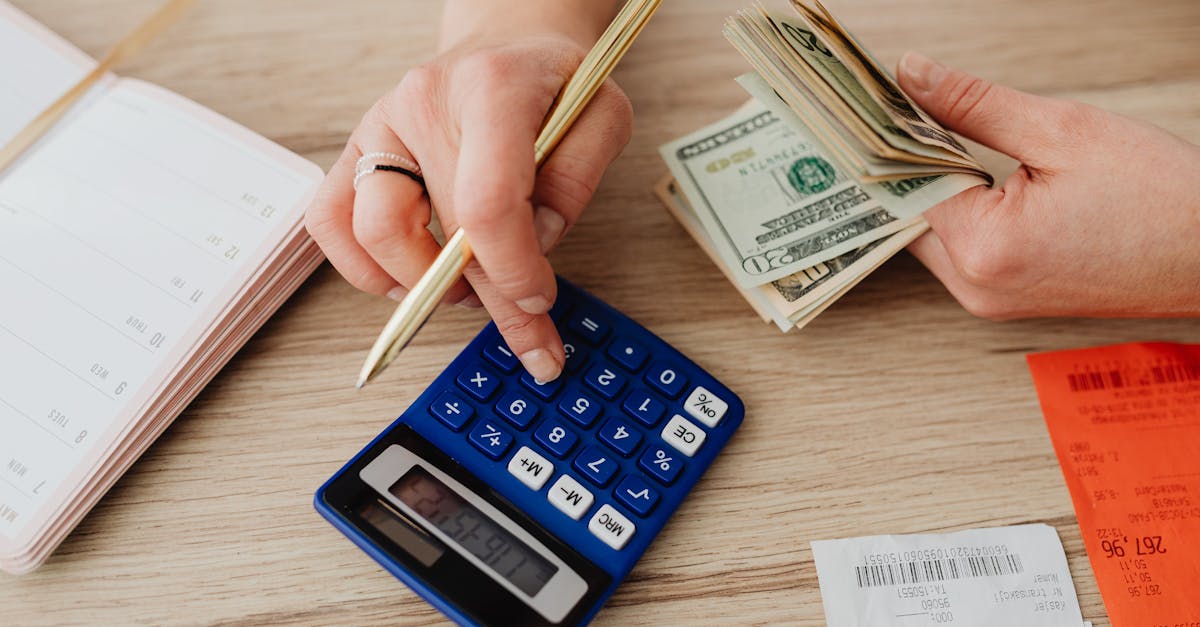
When planning your first trip to Germany, it is crucial to look beyond the obvious costs of flights and accommodation, as several hidden expenses can quickly impact your budget. One often-overlooked charge is the tourist tax (Kurtaxe), which many cities levy per person per night on top of your hotel bill; this fee varies significantly by location and can add up over a week-long stay. Additionally, while public transportation is world-class, remember that buying single tickets for buses or trams without a day pass or regional discount card can be surprisingly expensive compared to pre-purchasing a Deutschland-Ticket. Dining out also carries its own nuances, such as service charges being included in the menu price but not always reflected in the initial quote, and the cultural expectation to pay for water rather than receiving free tap water at restaurants.
To save money without sacrificing the experience, adopt local habits like shopping at "Supermärkte" such as Aldi or Lidl for picnic supplies instead of dining at every meal, as German supermarkets offer high-quality ingredients at a fraction of restaurant prices. Take advantage of the extensive network of discounted city cards available in major destinations like Berlin, Munich, and Hamburg, which often bundle public transport with free or reduced entry to museums and attractions. Finally, embrace the culture of walking; many historic centers are compact and best explored on foot, allowing you to avoid taxi fares entirely while discovering charming side streets and hidden courtyards that guidebooks might miss. By combining these strategies with an awareness of local pricing norms, you can enjoy a rich German adventure while keeping your finances in check.
 This photo was taken by www.kaboompics.com on Pexels.