Practical Tips for First-Time Travelers to Germany
 This photo was taken by SHVETS production on Pexels.
Welcome to the heart of Europe! As a local guide who has spent years exploring every corner of this diverse nation, I know that Germany offers an unforgettable blend of rich history, stunning landscapes, and vibrant modern culture. However, for first-time visitors, the sheer scale of the country and its unique systems can sometimes feel overwhelming. Whether you are planning a romantic getaway along the Romantic Road or an urban adventure in Berlin, preparation is key to unlocking the true magic of your journey. In this post, we will demystify the essentials to ensure your trip is smooth from start to finish. We will dive into navigating Germany's world-class public transport system, help you understand local etiquette and customs so you can connect with locals authentically, and share the essential apps and resources that will make your travel seamless. Get ready to embrace the Gemütlichkeit and create memories that will last a lifetime!
Navigating Germany's Public Transport System
Germany boasts one of the most efficient and extensive public transport networks in Europe, making it an ideal choice for travelers who wish to explore cities and countryside alike without a car. In major metropolitan areas like Berlin, Munich, and Hamburg, you will find seamless integration between U-Bahn (subway), S-Bahn (city rail), trams, and buses, all covered by unified ticketing systems that often allow transfers within a specific time window. For those venturing beyond city limits, the Deutsche Bahn (DB) trains are the backbone of intercity travel, offering high-speed ICE connections that can whisk you from Cologne to Frankfurt in under two hours. While navigating stations might seem daunting at first due to their size and signage in German, digital apps like DB Navigator provide real-time schedules, platform updates, and mobile tickets, ensuring you stay on track with minimal stress.
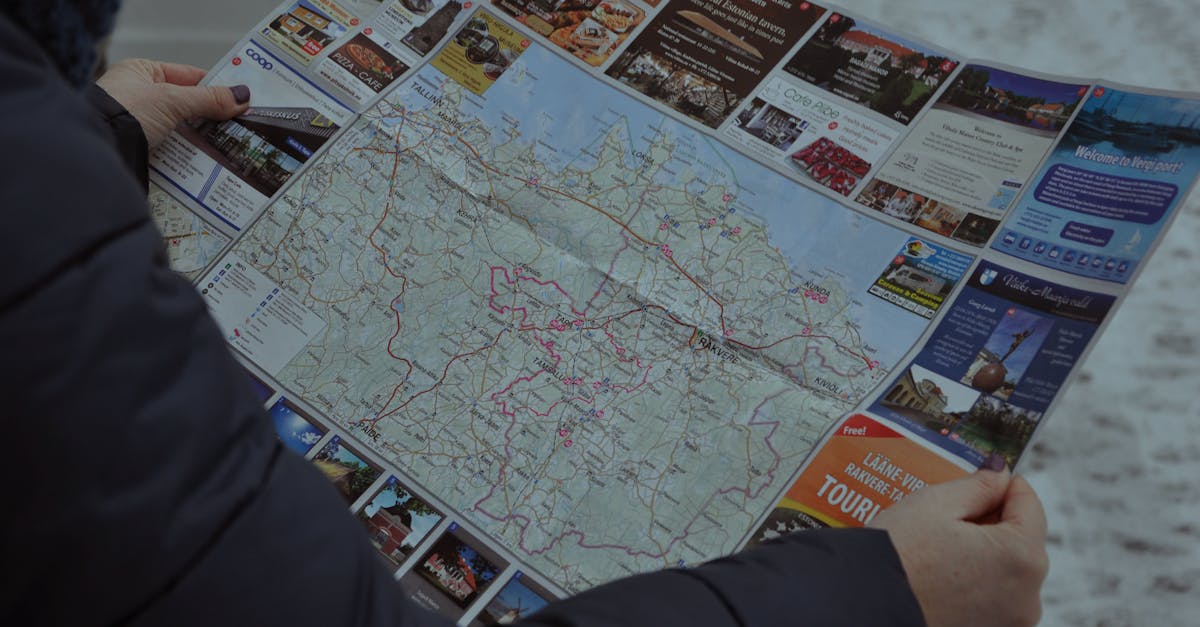
To make your journey smoother, it is essential to understand the "ticket before boarding" rule, which applies strictly to almost all regional and local transport; failing to validate or purchase a ticket before entering the train or tram can result in significant fines during random checks. Consider purchasing a Deutschland-Ticket for 49 euros a month if you plan on extensive regional travel, as it grants unlimited access to all local public transport across the entire country, excluding only long-distance ICE trains. Additionally, many cities offer day passes or group tickets that provide excellent value for families or small groups, allowing you to hop on and off freely throughout the day. Always carry a valid form of identification, as conductors may request it alongside your ticket, and remember that while English is widely spoken in tourist hubs, having a translation app ready can be helpful when reading complex route maps or station announcements.
 This photo was taken by Kseniia Bezz on Pexels.
Understanding Local Etiquette and Customs
When navigating daily life in Germany, understanding the local approach to punctuality and order is essential for a smooth experience. Germans highly value "Pünktlichkeit," meaning being on time is not merely polite but a sign of respect; arriving even a few minutes late to a business meeting or a scheduled appointment can be perceived as rude. Furthermore, maintaining public order is paramount, so you will notice that queues are formed neatly at bus stops and ticket machines, and conversations are kept quiet in public transport. It is also customary to say "Guten Tag" when entering small shops or bakeries, as greeting the staff is considered a basic courtesy rather than an optional formality.
Dining etiquette and recycling habits offer another layer of cultural immersion that first-time visitors should embrace. In restaurants, it is common to wait until everyone at your table has been served before beginning to eat, and making eye contact while saying "Guten Appetit" is a traditional way to wish others a good meal. Regarding waste management, Germany takes recycling seriously with a strict multi-bin system; you must separate glass by color (white, green, brown) and place paper, plastics, and organic waste in their designated containers. Additionally, remember that many smaller stores close early on Sundays, and cash is still preferred over credit cards in many family-run establishments, so carrying Euro notes is always advisable.
 This photo was taken by Pixabay on Pexels.
Essential Apps and Resources for Seamless Travel
Before you even pack your bags, ensure your smartphone is equipped with the Deutsche Bahn (DB) Navigator app, which is indispensable for navigating Germany's extensive and punctual train network. This tool provides real-time schedules, platform information, and allows you to purchase tickets directly on the go, eliminating the need for physical kiosks that often have long queues. Complementing this is the Citymapper or Google Maps application, both of which offer superior integration with local public transport systems in cities like Berlin, Munich, and Hamburg, helping you seamlessly switch between U-Bahn, trams, and buses while providing walking directions to hidden gems that guidebooks might miss.
To enhance your cultural experience and daily logistics, downloading the "Deutschlandticket" app or checking the official DB website for regional travel passes can save you significant money if you plan to explore beyond major tourist hubs. For dining and reservations, platforms like TheFork are widely used across Germany, allowing you to browse menus, read reviews from locals, and secure tables at popular restaurants without waiting. Additionally, keeping a translation app like DeepL handy is highly recommended; while English is spoken fluently in most tourist areas, having a reliable translator for reading signs, menus, or communicating with shopkeepers in rural regions ensures a smoother and more confident journey through every corner of the country.
 This photo was taken by Jacob on Pexels.