Public Transport Mastery: Using Trains and Buses Like a Local
 This photo was taken by Nomad Photographer on Pexels.
Willkommen in Deutschland, where the rhythm of daily life beats to the tune of a perfectly timed train whistle. Whether you are weaving through the historic cobblestones of Munich or zipping between Berlin's vibrant districts, mastering our public transport system is the golden key to unlocking an authentic German experience. Forget the stress of driving in unfamiliar cities; instead, embrace the efficiency and comfort of our extensive rail and bus networks. In this guide, we will demystify everything from the high-speed ICE lines to local regional expresses, show you exactly how to navigate ticket machines and apps without panic, and reveal the secrets of the Deutschland-Ticket so you can travel like a seasoned local while keeping your wallet happy. Let's embark on this journey together!
This photo was taken by Nomad Photographer on Pexels.
Willkommen in Deutschland, where the rhythm of daily life beats to the tune of a perfectly timed train whistle. Whether you are weaving through the historic cobblestones of Munich or zipping between Berlin's vibrant districts, mastering our public transport system is the golden key to unlocking an authentic German experience. Forget the stress of driving in unfamiliar cities; instead, embrace the efficiency and comfort of our extensive rail and bus networks. In this guide, we will demystify everything from the high-speed ICE lines to local regional expresses, show you exactly how to navigate ticket machines and apps without panic, and reveal the secrets of the Deutschland-Ticket so you can travel like a seasoned local while keeping your wallet happy. Let's embark on this journey together!
Navigating the DB Network: From ICE to Regional Expresses
Germany's rail network, operated by Deutsche Bahn (DB), is the backbone of efficient travel, offering a seamless journey from bustling metropolises to quiet countryside villages. At the top of the hierarchy are the Intercity Express (ICE) trains, which zip across the country at speeds up to 300 km/h, connecting major hubs like Berlin, Munich, and Hamburg in mere hours; these high-speed services are ideal for long-distance travelers seeking comfort and punctuality. For those venturing into more remote regions or exploring scenic routes along the Rhine or Bavarian Alps, the Regional Express (RE) and Regionalbahn (RB) trains provide a slower but equally charming alternative, stopping frequently to allow you to hop off at hidden gems that the faster lines simply bypass.
Navigating this extensive system is surprisingly straightforward once you understand the ticketing options and digital tools available to locals. The DB Navigator app is an indispensable companion, offering real-time departure boards, platform changes, and mobile tickets that eliminate the need for paper slips, while the Deutschland-Ticket provides an affordable all-inclusive pass for regional travel throughout the entire country. Whether you are commuting on a busy S-Bahn line in Frankfurt or catching a scenic RE train through the Black Forest, paying attention to the dynamic display boards and listening for announcements in both German and English ensures you never miss your connection, allowing you to explore Germany with the confidence of a seasoned resident.
 This photo was taken by Mladen Šćekić on Pexels.
Mastering Ticket Machines and Apps for Seamless Travel
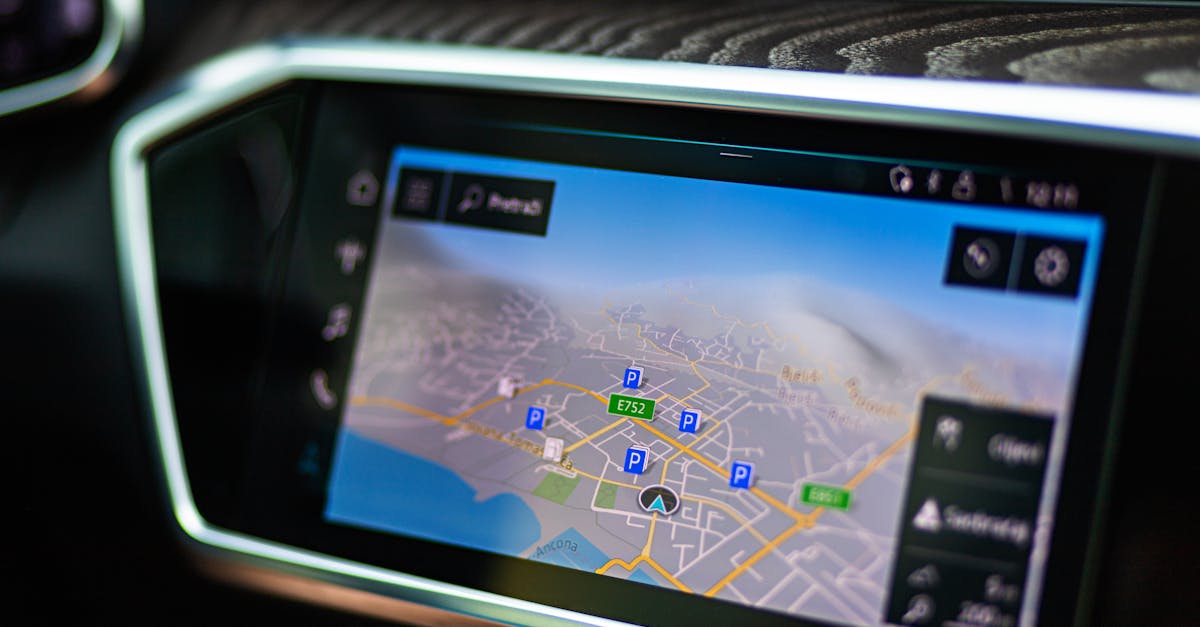
Navigating Germany's extensive public transport network begins with mastering the ubiquitous ticket machines found at every major station and bus stop. These intuitive, multi-language interfaces allow you to purchase single tickets, day passes, or regional group discounts instantly; simply select your destination on the digital map, choose your fare type, and pay via card or cash to receive a validated paper ticket that must be stamped before boarding. While these machines are reliable, savvy travelers often opt for official apps like DB Navigator or local transport authority platforms (such as MVV in Munich or HVV in Hamburg) to plan routes, buy mobile tickets, and receive real-time delay notifications, ensuring you never miss a connection while avoiding the frustration of standing in line during peak hours.
To truly travel like a local, it is essential to understand the validation rules that govern ticket usage across different regions. In cities like Berlin or Hamburg, where zones overlap, your app or machine will guide you through selecting the correct tariff zone, but remember that for paper tickets bought from machines outside the vehicle, you must validate them by stamping them in the green or yellow boxes located on platforms and inside buses; failure to do so can result in hefty fines during random spot checks by conductors. By combining the convenience of smartphone apps for dynamic planning with a basic understanding of physical ticket validation, you transform potential travel stress into a seamless experience, allowing you to focus entirely on enjoying Germany's scenic landscapes and vibrant city life.
 This photo was taken by RDNE Stock project on Pexels.
The Art of the Deutschland-Ticket: Saving Money Like a Pro
The Deutschland-Ticket, often affectionately called the "49-Euro-Ticket," has revolutionized how visitors navigate Germany's vast network of regional transport. Instead of buying individual tickets for every train or bus ride, this monthly subscription grants unlimited access to all local and regional services across the entire country, from the bustling U-Bahn in Berlin to the scenic S-Bahn lines around Munich and even rural buses in Bavaria. For tourists, it is a game-changer that eliminates the stress of calculating complex fare zones or worrying about missing a connection due to an expired ticket; simply tap your card at the gate or show the app on your phone, and you are free to hop on any RB, RE, S-Bahn, tram, or city bus without restriction.
To truly master the art of saving money with this pass, savvy travelers treat it as their primary mobility tool rather than a backup option. Plan your day trips strategically by combining multiple destinations in one go, such as visiting the historic town of Heidelberg and then taking a quick regional train to the Rhine Valley, knowing that both legs of the journey are covered by the same flat fee. It is also crucial to remember that while long-distance ICE or IC trains require separate tickets, the Deutschland-Ticket seamlessly connects you to these major hubs via regional trains, allowing you to explore hidden gems like the Black Forest or the Romantic Road without breaking the bank, making it the most cost-effective way to experience Germany like a true local.
 This photo was taken by Waldemar Brandt on Pexels.