Road Tripping Through Germany's Autobahn and Countryside
 This photo was taken by Vladimir Srajber on Pexels.
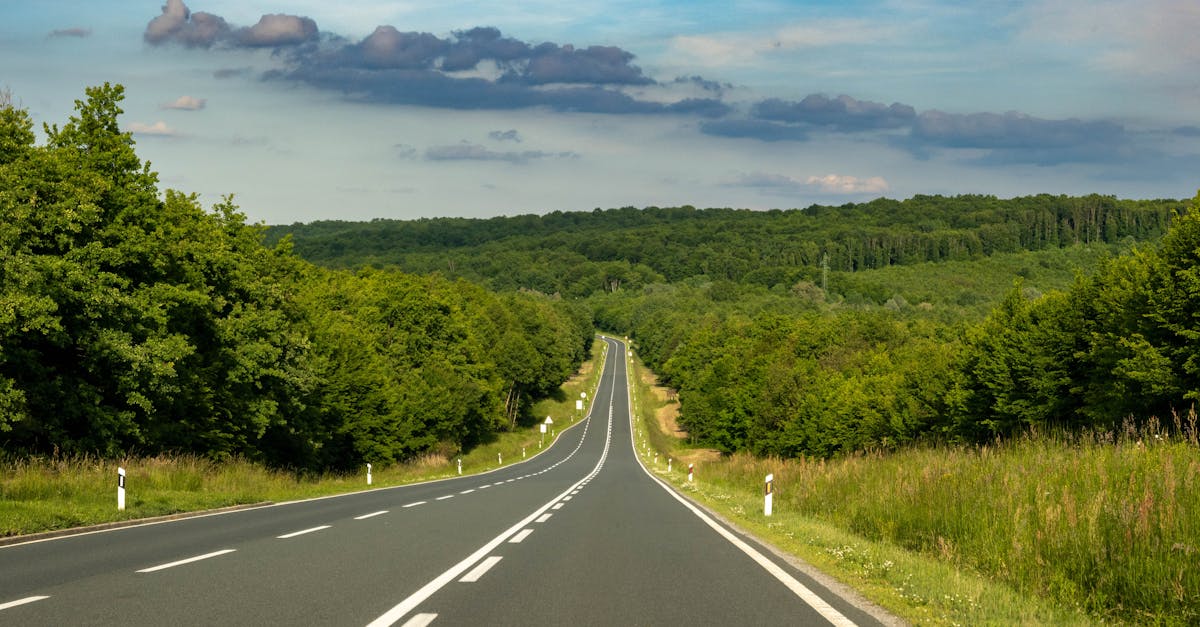
Welcome to the heart of German travel, where the legendary freedom of the Autobahn meets the timeless charm of rolling hills and quaint villages. Whether you are an adrenaline seeker eager to test your skills on sections without a speed limit or a nature lover seeking quiet moments in picturesque landscapes, Germany offers an unforgettable driving experience. In this guide, we will navigate the unique rules and safety essentials of our famous highways, uncover hidden gems tucked away along scenic routes, and savor the authentic culinary delights that make every stop a memorable feast. Get your engine ready and let's embark on a journey through one of Europe's most diverse road trip destinations.
Navigating the Autobahn: Speed, Rules, and Safety Tips
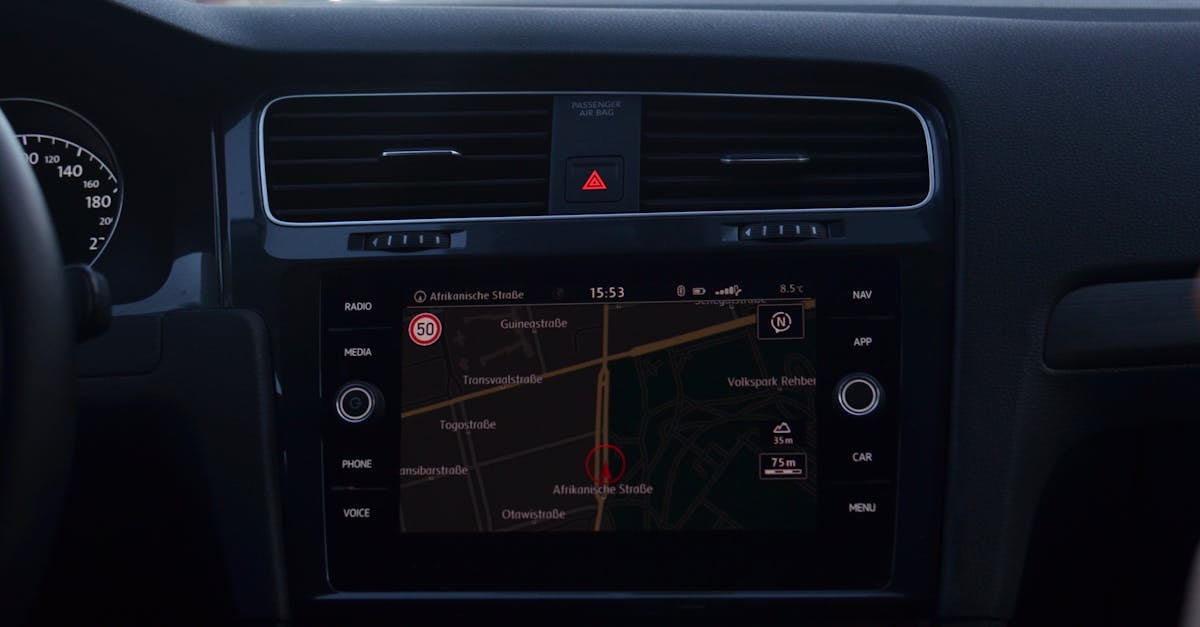
The German Autobahn is legendary for its sections without speed limits, offering an exhilarating driving experience that feels like a high-speed adventure through the heart of Europe. While you may see cars effortlessly cruising at 200 km/h or more, it is crucial to remember that these unrestricted zones are interspersed with many areas featuring mandatory speed limits, often indicated by digital signs due to traffic density or weather conditions. As a visitor, you must strictly adhere to the "right lane" rule on multi-lane highways: keep right unless overtaking, and never use the left lane for casual cruising. Familiarizing yourself with the specific signage and understanding that the absence of a limit does not mean a lack of responsibility is your first step toward a smooth journey.
Safety on the Autobahn requires heightened awareness and strict adherence to German traffic etiquette, where passing on the right is illegal and maintaining a safe distance is non-negotiable. The famous "Haftpflichtversicherung" (liability insurance) is mandatory for all vehicles, and renting a car ensures this coverage is included, but drivers should also be prepared for sudden stops or merging traffic from service areas. In the event of a breakdown, you are required to move the vehicle to the emergency lane if possible and set up warning triangles 150 meters behind your car before calling for assistance. By respecting these rules and staying alert to the dynamic flow of traffic, you can fully enjoy the freedom of Germany's open roads while ensuring a safe trip for everyone involved.
 This photo was taken by Skylar Kang on Pexels.
Hidden Gems: Charming Villages Along the Scenic Routes
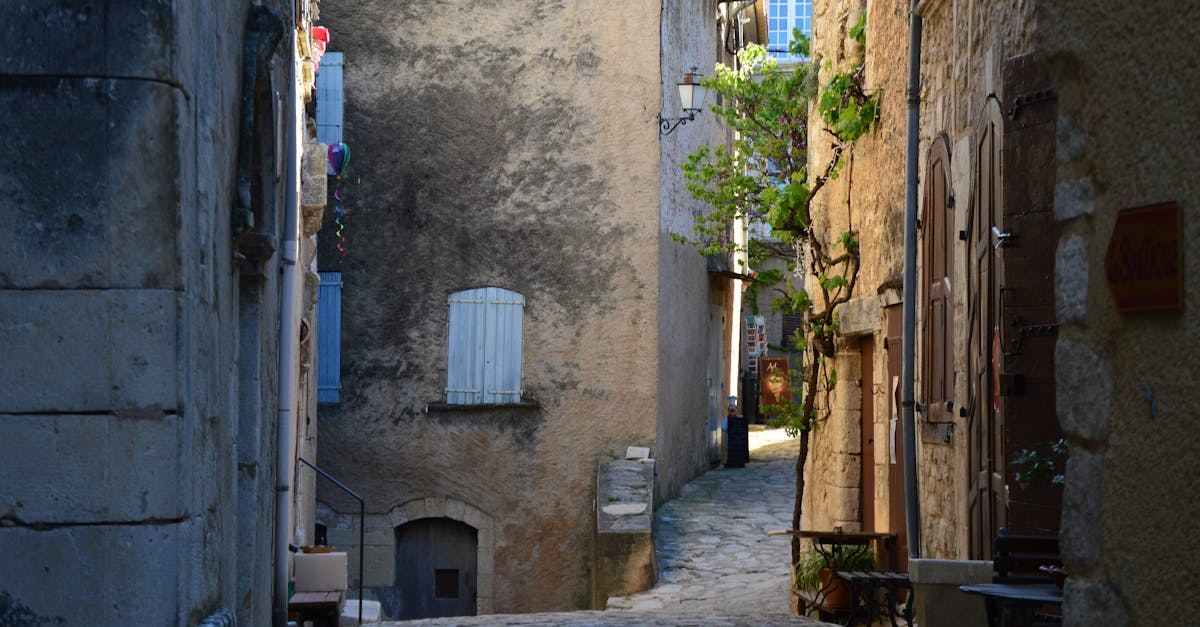
While the legendary Autobahn offers a thrilling high-speed journey, the true soul of Germany reveals itself when you exit the main arteries and meander through its picturesque backroads. In regions like Bavaria's Allgäu or the Mosel Valley, you will discover villages that seem frozen in time, where timber-framed houses cling to steep hillsides and cobblestone streets echo with the quiet rhythm of daily life. These hidden gems often lack the crowds of major cities but boast stunning architecture, ancient castles overlooking vineyards, and local bakeries serving warm pretzels that define the essence of German hospitality.
Exploring these scenic routes is not just about reaching a destination; it is an immersive experience that allows you to connect with the country's rich cultural tapestry. Imagine stopping in a tiny village along the Romantic Road, where artisans still practice traditional crafts passed down through generations, or wandering through the Black Forest where deep woods meet charming hamlets known for their cuckoo clocks and black forest cake. By taking your time on these lesser-traveled paths, you uncover stories and landscapes that remain untouched by mass tourism, offering a serene and authentic glimpse into the heart of the German countryside.
 This photo was taken by Ulrick Trappschuh on Pexels.
Culinary Delights: Local Specialties to Taste on Your Journey
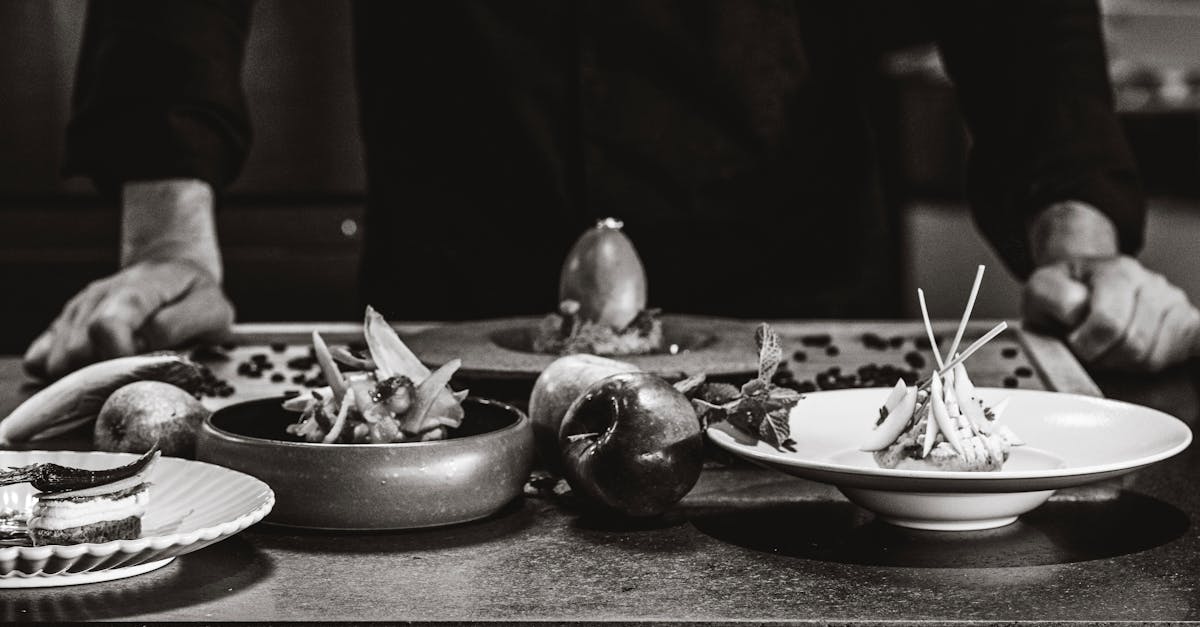
As you navigate the legendary Autobahn or meander through picturesque villages, your culinary journey is an essential part of the experience. No trip is complete without sampling regional specialties that vary wildly from one state to the next; in Bavaria, this means indulging in a hearty Schweinshaxe (pork knuckle) served with soft pretzels and a crisp Weissbier, while in the north, fresh Fischbrötchen (fish sandwiches) from Hamburg's bustling fish markets offer a lighter, ocean-fresh alternative. Whether you stop at a rustic Gasthaus for a steaming bowl of Schwarzwälder Kirschtorte or grab a Currywurst from a busy Imbiss stand along the highway, every bite tells a story of local tradition and craftsmanship.
Beyond the main courses, Germany's countryside invites you to explore its rich agricultural heritage through seasonal festivals and roadside stands bursting with farm-fresh produce. During autumn, vineyards in the Rhine Valley transform into open-air tasting rooms where you can sample world-class Rieslings paired with locally cured cheeses, whereas spring brings the opportunity to try Spargel (white asparagus), often called "white gold," prepared simply with hollandaise sauce and boiled potatoes. These flavors are best enjoyed slowly, perhaps parked beside a scenic riverbank or under the shade of an old oak tree, allowing the unique tastes of each region to linger long after your engine has cooled down.
 This photo was taken by S O U L C A T CH E R on Pexels.