Saxony's Baroque Beauty: Dresden, Leipzig, and Meissen
 This photo was taken by Masood Aslami on Pexels.
Welcome to the heart of Saxony, a region where art, history, and craftsmanship converge in an unforgettable display. As your guide through Germany's cultural treasures, I invite you to embark on a journey along the majestic Elbe River and beyond, discovering three cities that define the Baroque era while embracing the pulse of modern life. From the resplendent palaces of Dresden to the vibrant streets of Leipzig and the world-famous porcelain workshops of Meissen, this post will lead you through a landscape of unparalleled beauty. Prepare to be enchanted by stories of emperors, composers, and master artisans as we explore the timeless allure of Saxony.
The Jewel of the Elbe: Exploring Dresden's Baroque Splendor
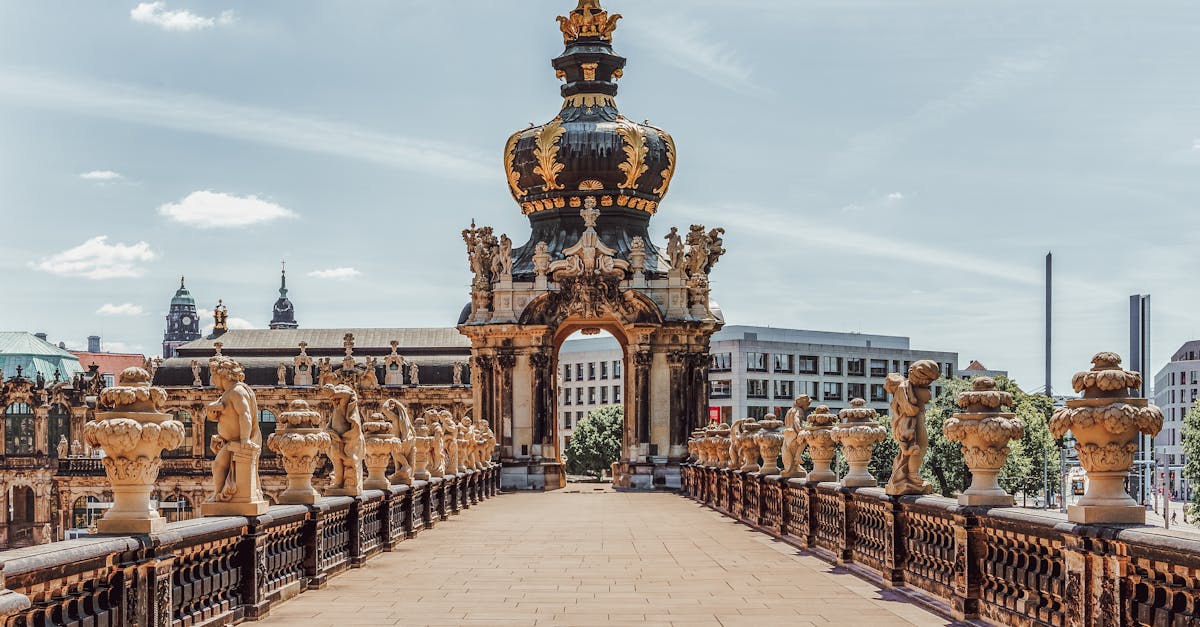
Nestled along the winding banks of the Elbe River, Dresden stands as a breathtaking testament to resilience and artistic grandeur, earning its title as the "Jewel of the Elbe." Once known as Florence on the Elbe for its unrivaled collection of Renaissance and Baroque masterpieces, the city's historic center was meticulously reconstructed after World War II, blending authentic restoration with modern architectural harmony. Visitors are immediately captivated by the Frauenkirche, whose distinctive sandstone dome rises majestically against the skyline, serving as a powerful symbol of peace and reconciliation. A stroll through the Zwinger Palace reveals intricate rococo gardens, ornate fountains, and world-class galleries housing gems like Raphael's "Sistine Madonna," inviting tourists to step back into an era where art and architecture converged in perfect symmetry.
Beyond the iconic landmarks, exploring Dresden offers a sensory journey through cobblestone streets lined with pastel-colored buildings that reflect the golden light of the setting sun. The Semperoper, one of the most beautiful opera houses in Europe, hosts performances that echo through its opulent halls, while the nearby Brühl's Terrace, often called the "Balcony of Europe," provides panoramic views of the river and the historic skyline. Whether you are wandering through the lush greenery of the Großer Garten or admiring the delicate porcelain displayed in the Royal Palace, every corner of this Saxon metropolis whispers stories of imperial power and cultural renaissance. It is a destination where history is not merely observed but felt in the very stones, making it an essential stop for any traveler seeking the soul of German Baroque splendor.
 This photo was taken by Wolfgang Weiser on Pexels.
Leipzig: Where History Meets Modern Culture
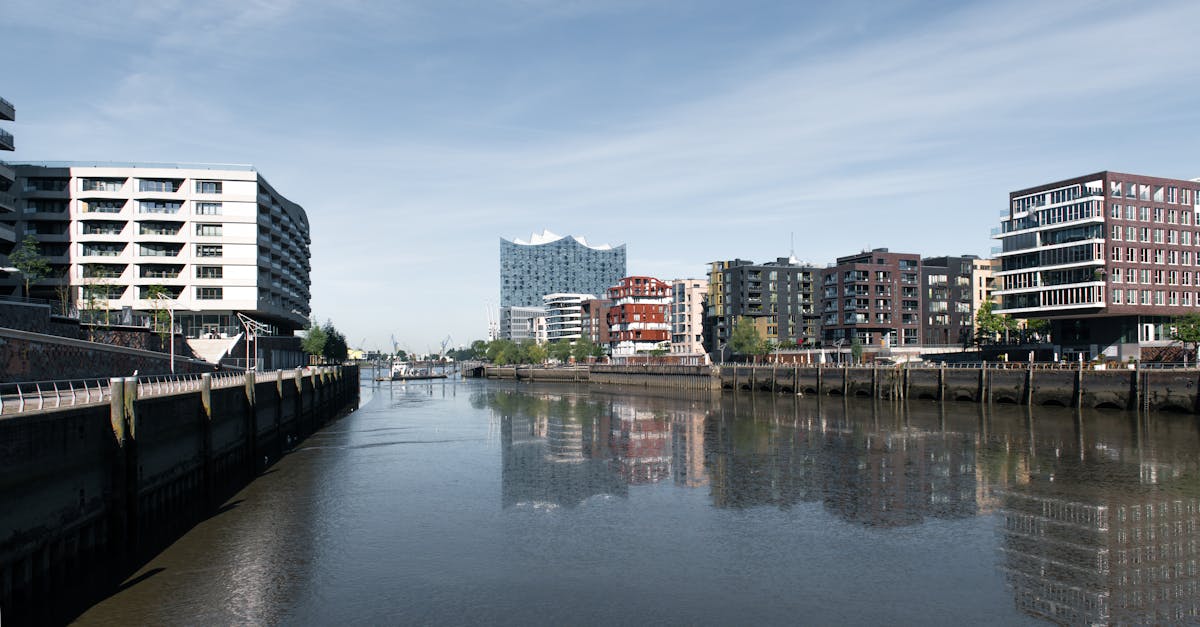
Leipzig stands as a vibrant testament to the region's rich heritage, where the grandeur of Baroque architecture seamlessly blends with a dynamic modern atmosphere. Visitors can wander through the historic city center to admire the magnificent Thomaskirche, the final resting place of Johann Sebastian Bach, whose musical legacy still echoes through the streets today. The city's architectural tapestry is further enriched by the stunning St. Thomas Church and the ornate Neues Rathaus, yet Leipzig has evolved far beyond its classical roots into a thriving hub for contemporary art, innovative startups, and a pulsating nightlife that attracts creatives from across Europe.
This unique fusion of past and present makes Leipzig an indispensable stop on any tour of Saxony, offering an experience that feels both timeless and cutting-edge. After exploring the historic markets and the famous Gewandhaus concert hall, travelers can immerse themselves in the city's trendy districts like Connewitz or Plagwitz, where former industrial sites have been transformed into galleries, cafes, and cultural centers. Whether you are attending one of the world-renowned book fairs, enjoying the annual music festivals, or simply strolling along the revitalized riverbanks, Leipzig proves that history does not stagnate but rather provides a solid foundation for a lively, modern culture.
 This photo was taken by Wolfgang Weiser on Pexels.
Porcelain Perfection: A Journey to Meissen
Just a short train ride north of Dresden lies Meissen, the historic birthplace of European hard-paste porcelain and a destination that feels like stepping into a fairy tale. Founded in 1710 by Augustus the Strong, this charming town is dominated by the imposing Meissen Castle perched atop a hill, which once housed the world's first porcelain manufactory. Visitors can wander through the cobblestone streets lined with half-timbered houses before entering the famous factory museum, where the intricate process of crafting these delicate masterpieces from local kaolin clay is brought to life. The air here seems to hum with centuries of artistic tradition, as skilled artisans continue to hand-paint and fire pieces using techniques established over three hundred years ago.
The crown jewel of any visit to Meissen is undoubtedly the annual Meissen Porcelain Fair or a guided tour of the Manufactory itself, offering a rare glimpse into the creation of some of the most coveted ceramics in the world. You will be captivated by the iconic Blue Onion pattern, a design so synonymous with the brand that it has become a symbol of German craftsmanship globally. Beyond the factory walls, the town invites you to explore its elegant boutiques filled with everything from miniature figurines to grand dinner services, perfect for bringing a piece of Saxony's Baroque heritage home. Whether you are an art enthusiast or simply seeking a unique souvenir, Meissen offers an unforgettable journey into the heart of porcelain perfection.
 This photo was taken by vedanti on Pexels.