Saxony's Secret Treasures: Dresden, Leipzig, and the Saxon Switzerland
 This photo was taken by Guo Haitao on Pexels.
Welcome to the heart of eastern Germany, where history whispers through cobblestone streets and nature paints dramatic masterpieces. In this journey through Saxony, we invite you to discover a region that seamlessly blends imperial grandeur with modern vibrancy and wild beauty. From the reconstructed magnificence of Dresden's Baroque skyline to Leipzig's dynamic fusion of classical heritage and contemporary beats, every corner tells a story. And just beyond the cities lies Saxon Switzerland, a breathtaking landscape of sandstone towers waiting for your next adventure. Let us guide you through these secret treasures, revealing why Saxony is an unmissable destination for any traveler seeking the soul of Germany.
The Baroque Jewel: Unveiling Dresden's Architectural Splendor
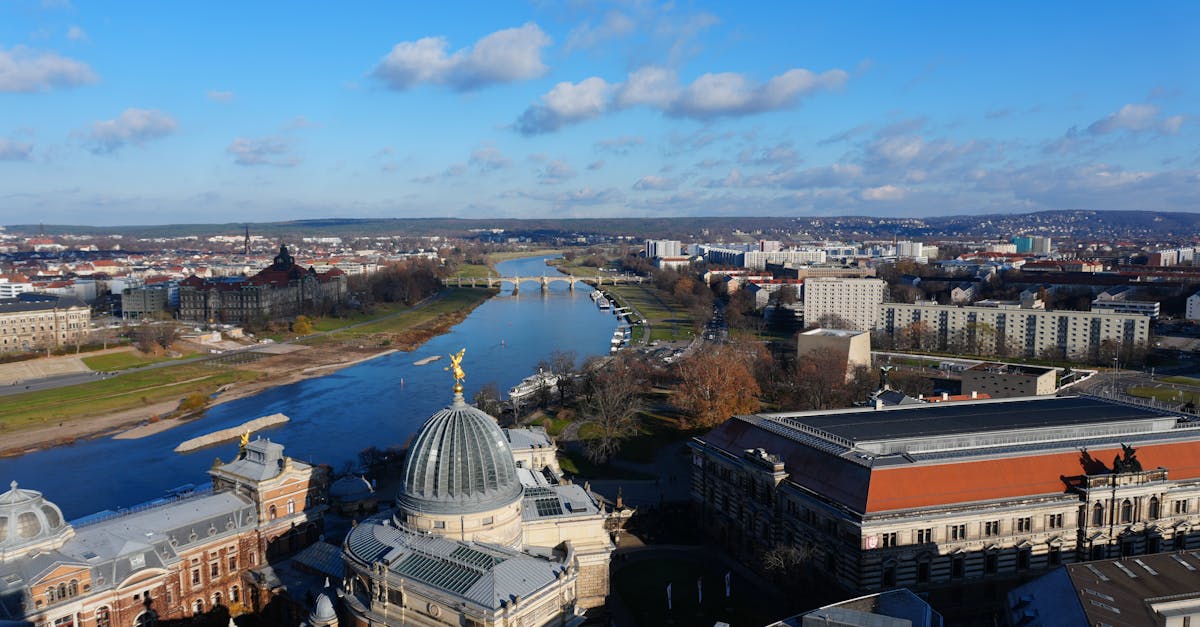
Dresden, often hailed as the "Florence on the Elbe," stands as a breathtaking testament to resilience and artistic grandeur, where the Baroque era comes alive in every gilded dome and intricate facade. After surviving the devastation of World War II, the city underwent a miraculous reconstruction that honored its original 18th-century splendor, most notably seen in the Frauenkirche with its distinctive sandstone dome and the Zwinger Palace, a masterpiece of rococo architecture featuring ornate galleries and fountains. Walking through the Altstadt, visitors are transported back to the reign of Augustus the Strong, marveling at the seamless blend of historic precision and vibrant life that defines this Saxon capital.
Beyond the iconic landmarks, the true charm of Dresden lies in its harmonious integration of architectural wonder with the natural beauty of the surrounding landscape. The city's skyline is punctuated by the elegant towers of the Semperoper and the Taschenbergpalais, creating a visual symphony that reflects off the gentle waters of the Elbe River. Whether you are exploring the world-class Gemäldegalerie Alte Meister housed within the Old City Palace or simply strolling along the riverbanks to admire the panoramic views from the Brühl's Terrace, Dresden offers an immersive journey into a past where art, culture, and engineering converged to create a jewel of European heritage that continues to captivate travelers from around the globe.
 This photo was taken by Erik Mclean on Pexels.
From Bach to Beats: Leipzig's Vibrant Cultural Renaissance
Leipzig stands as a testament to the enduring power of artistic evolution, seamlessly weaving its profound musical heritage into a dynamic modern tapestry. As the city where Johann Sebastian Bach spent his most productive years directing the Thomaskirche, visitors can still trace the footsteps of the Baroque master through hallowed halls and historic concerts. Yet, this reverence for tradition has not stifled creativity; instead, it fuels a thriving contemporary scene where electronic beats echo off cobblestone streets in former factories transformed into avant-garde galleries and clubs. The contrast between the solemnity of Bach's sacred cantatas and the pulsating energy of today's underground music festivals creates a unique cultural rhythm that defines Leipzig's renaissance, inviting travelers to explore how history and innovation dance together in perfect harmony.
This cultural metamorphosis is further amplified by Leipzig's role as a hub for literature, visual arts, and progressive social movements, making it one of Germany's most intellectually stimulating destinations. Once known as "Little Paris" for its 19th-century literary salons, the city now boasts a vibrant street art scene that covers entire building facades, telling stories of resilience and change alongside its GDR-era murals. The annual Book Fair draws authors from around the globe, while the Stasi Museum offers a poignant reflection on the city's pivotal role in the peaceful revolution of 1989. For the modern traveler, Leipzig offers more than just sightseeing; it provides an immersive experience into a city that has successfully reinvented itself without losing its soul, proving that Saxony's treasures extend far beyond the traditional landmarks of Dresden.
This photo was taken by Erik Mclean on Pexels.
Nature's Masterpiece: Hiking the Dramatic Landscapes of Saxon Switzerland
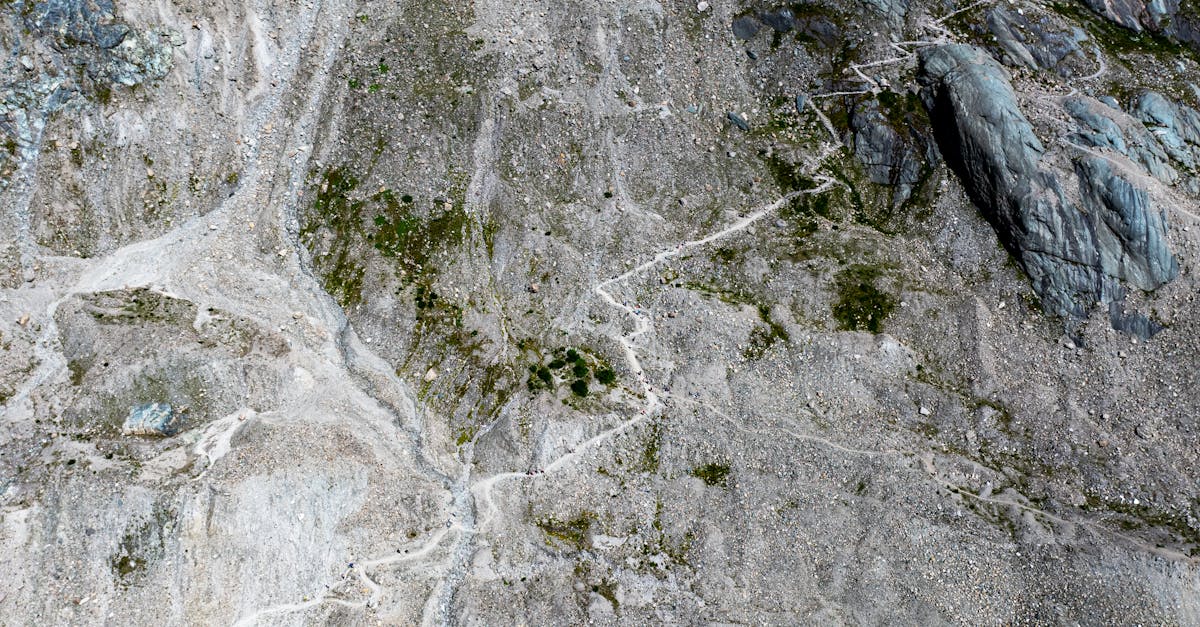
Just east of Dresden lies Saxon Switzerland, a breathtaking national park where the Elbe River has carved a labyrinth of towering sandstone pillars and deep valleys over millennia. Unlike typical mountain ranges, this unique geological wonderland features dramatic rock formations like the famous Bastei Bridge, which offers panoramic views that seem to defy gravity as you walk among ancient stone sentinels. Whether you are an experienced mountaineer navigating the rugged "Klettersteig" routes or a leisurely walker strolling along the well-marked trails through dense forests, the landscape constantly reveals new perspectives, from misty gorges at dawn to golden sunsets illuminating the jagged peaks.
The region's hiking culture is deeply intertwined with its history, having inspired generations of Romantic artists and writers who sought refuge in these wild, untamed surroundings. As you traverse paths that wind past historic castles perched precariously on cliff tops, such as the Königstein Fortress, you can almost feel the artistic spirit that once permeated this area. With its diverse flora, including rare orchids and old-growth beech trees, combined with the ever-changing light playing across the orange-hued rocks, Saxon Switzerland provides an immersive natural sanctuary that stands as the crown jewel of Saxony's hidden treasures, inviting every visitor to lose themselves in nature's grand design.
 This photo was taken by Alan Kabeš on Pexels.