Sustainable Tourism: Eco-Friendly Adventures in Germany
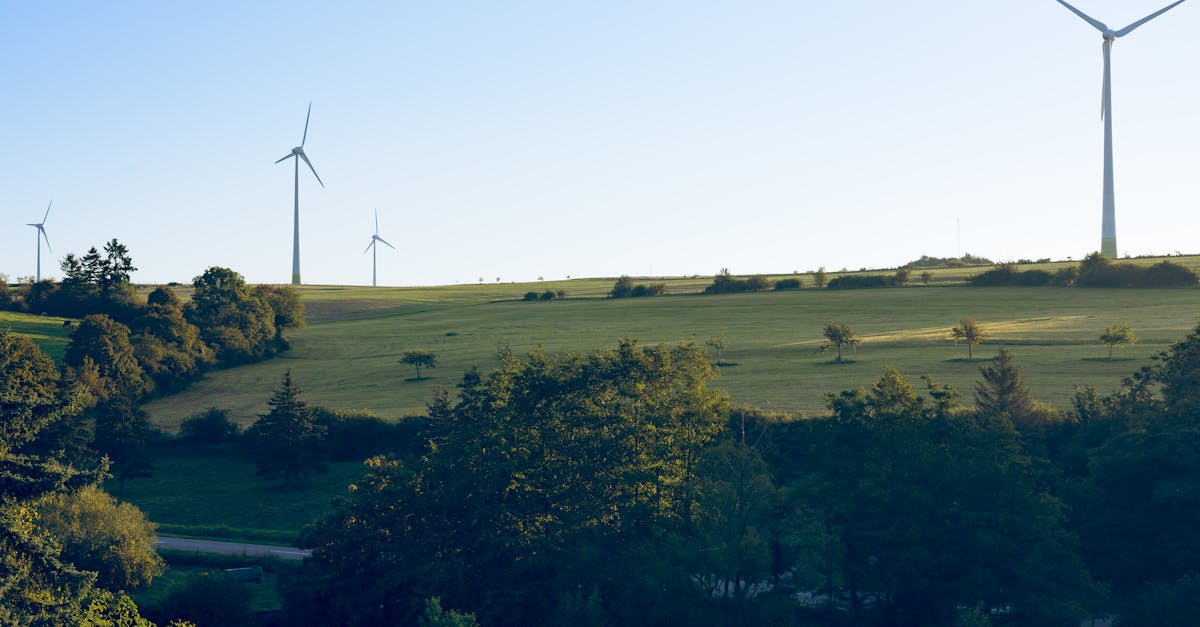 This photo was taken by Ad Thiry on Pexels.
Welcome to the heart of Europe, where lush forests meet cutting-edge sustainability! As your local guide, I am thrilled to introduce you to a Germany that is not only rich in history and culture but also deeply committed to preserving its natural beauty for future generations. In this post, we will embark on an eco-friendly journey through the country's pristine landscapes, showcasing how travelers can explore with minimal impact and maximum joy. From wandering through the protected wonders of our National Parks and Nature Reserves to navigating the seamless network of trains and bikes while staying in charming organic farmhouses, discover how sustainable tourism allows you to experience the true spirit of Deutschland. Let's dive into green adventures that leave nothing behind but footprints.
Exploring Germany's National Parks and Nature Reserves
Germany's commitment to preserving its natural heritage is evident in its 16 national parks, which offer visitors a chance to witness untouched landscapes ranging from the rugged cliffs of the Baltic Sea in the Jasmund National Park to the ancient beech forests of the Bavarian Forest. As a local guide, I recommend starting your eco-adventure here, where strict conservation zones ensure that wildlife like the brown bear and the wolf can thrive undisturbed, while designated hiking trails allow you to immerse yourself in these ecosystems without leaving a footprint. Whether you are trekking through the Wadden Sea's tidal flats or exploring the volcanic geology of the Eifel region, these protected areas provide a serene backdrop for reconnecting with nature while supporting Germany's rigorous environmental standards.
Beyond the national parks, the country boasts an extensive network of over 100 nature reserves and biosphere reserves that serve as vital sanctuaries for biodiversity and models of sustainable land management. In places like the Berchtesgaden National Park or the Schleswig-Holstein Wadden Sea, you will find opportunities to engage in low-impact activities such as guided bird-watching tours, canoeing on pristine rivers, and educational workshops focused on local flora and fauna. By choosing to visit these carefully managed regions, tourists not only enjoy breathtaking scenery but also contribute directly to the preservation efforts that keep Germany's green spaces vibrant for future generations, proving that responsible travel can coexist harmoniously with the protection of our planet's most precious resources.
 This photo was taken by Đạt Nguyễn on Pexels.
Sustainable Travel: Trains, Bikes, and Green Cities
Germany stands as a global leader in sustainable mobility, making the train network Deutsche Bahn an ideal backbone for your eco-friendly journey. With its extensive high-speed ICE lines connecting bustling metropolises like Berlin and Munich to quaint villages in the Black Forest, you can explore the country's diverse landscapes without the carbon footprint of flying or driving. Complementing this rail excellence is the nation's world-class cycling infrastructure, where dedicated bike paths often run parallel to rivers and through historic city centers, inviting travelers to discover hidden gems at their own pace. Whether you are pedaling along the Rhine or navigating the flat terrain of Hamburg, renting a bicycle offers an immersive way to engage with local culture while contributing to cleaner air.
Beyond transportation, Germany's commitment to sustainability is evident in its "Green Cities," which prioritize pedestrian zones, electric public transport, and ambitious urban greening projects. Cities like Freiburg im Breisgau exemplify this ethos, featuring solar-powered neighborhoods and car-free districts that encourage walking and community interaction. As you wander through these eco-conscious hubs, you will notice how historic architecture seamlessly blends with modern energy-efficient designs and abundant green spaces. By choosing to stay in certified eco-hotels and supporting local businesses that value environmental stewardship, tourists actively participate in preserving Germany's natural beauty and cultural heritage for future generations.
 This photo was taken by Thái Phát on Pexels.
Eco-Conscious Stays: From Eco-Lodges to Organic Farmhouses
Germany has emerged as a global leader in sustainable tourism, offering travelers an impressive array of eco-conscious accommodations that seamlessly blend comfort with environmental stewardship. From the solar-powered eco-lodges nestled deep within the Black Forest to the meticulously restored timber-framed houses in the Bavarian Alps, guests can experience nature without leaving a heavy footprint. These establishments often utilize renewable energy sources, implement rigorous water conservation systems, and prioritize locally sourced building materials, ensuring that your stay supports the preservation of Germany's diverse landscapes while providing a unique, immersive connection to the local ecosystem.
For those seeking a more hands-on approach to sustainability, organic farmhouses across regions like Mecklenburg-Vorpommern and Schleswig-Holstein offer a transformative agritourism experience. Here, visitors can wake up to the sounds of livestock, participate in harvesting seasonal produce for their breakfast, and learn about regenerative farming practices directly from the hosts. By choosing these family-run organic farms, tourists not only enjoy fresh, pesticide-free cuisine but also contribute directly to the rural economy and the protection of biodiversity, making every night's sleep a meaningful step toward a greener future.
 This photo was taken by 30Nudos Adicora on Pexels.