Sustainable Tourism: Eco-Friendly Adventures in the Harz Mountains
 This photo was taken by Markus Winkler on Pexels.
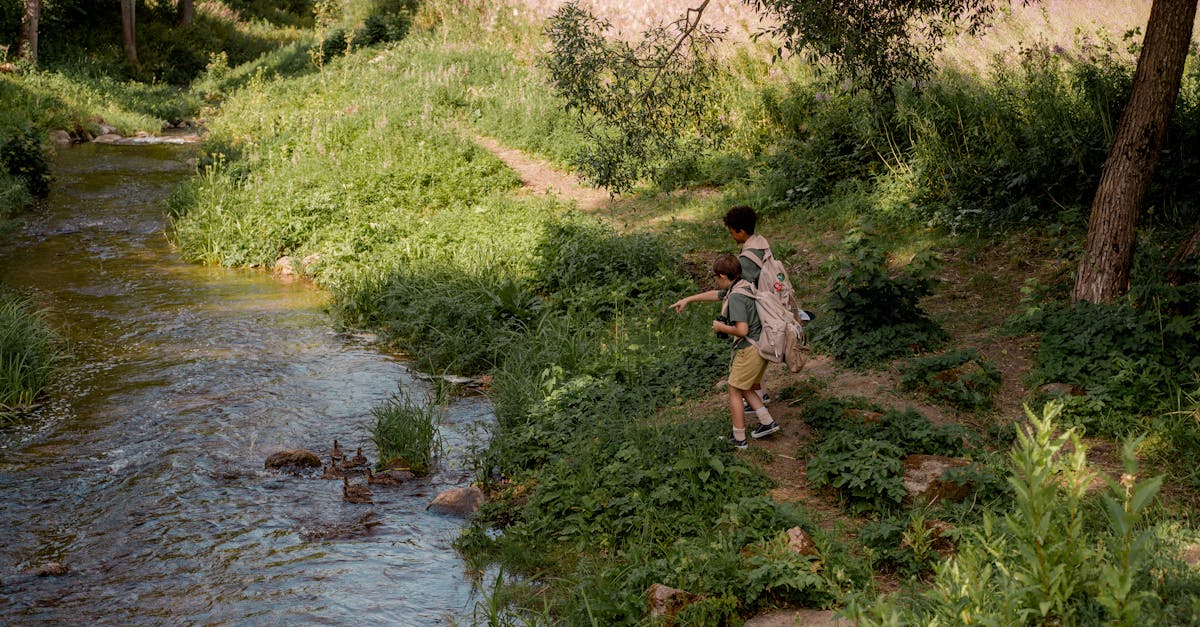
Exploring the Harz National Park on Foot and by Bike
Immerse yourself in the ancient mist-shrouded forests of the Harz National Park, Germany's oldest protected area, where sustainable exploration begins with a simple pair of sturdy hiking boots. As you traverse the well-maintained trails that wind past the iconic Brocken summit and through the dense beech stands, you will discover a landscape teeming with wildlife like red deer and lynx, all preserved under strict conservation guidelines. The park encourages visitors to leave no trace, ensuring that the pristine nature remains untouched for future generations while offering serene paths that connect historic mining villages with breathtaking panoramic viewpoints.
For those who prefer two wheels over walking, the region boasts an extensive network of eco-friendly cycling routes that seamlessly integrate with the national park's boundaries. Renting an electric bike or a traditional mountain bike allows you to glide effortlessly up the gentle slopes without emitting a single gram of CO2, making it the perfect way to cover more ground while respecting the environment. Whether you are following the scenic "Harz Cycle Path" or venturing onto dedicated forest tracks, every pedal stroke supports local economies by directing tourists toward family-run guesthouses and organic eateries, proving that active tourism can thrive hand-in-hand with ecological responsibility.
 This photo was taken by cottonbro studio on Pexels.
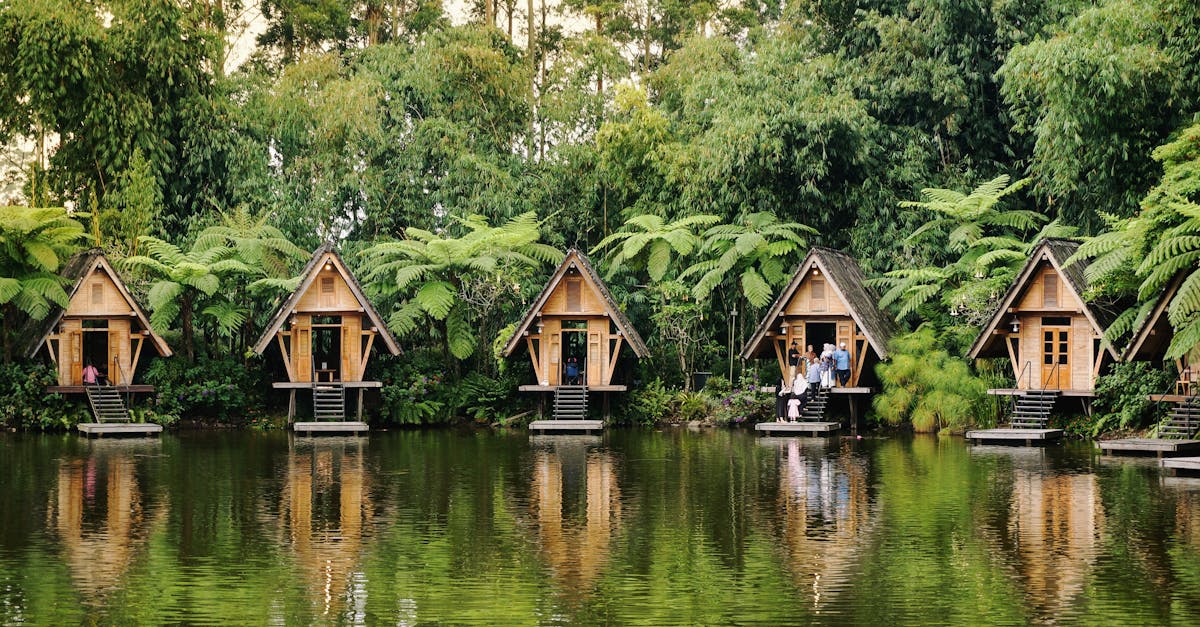
Eco-Friendly Accommodations in Traditional Half-Timbered Villages
Immerse yourself in the rustic charm of the Harz Mountains while staying true to your eco-conscious values by choosing a guesthouse nestled within a historic half-timbered village like Wernigerode or Quedlinburg. These carefully restored timber-frame structures, often centuries old, have been modernized with sustainable innovations such as geothermal heating systems and solar panels hidden behind traditional facades. Many family-run accommodations pride themselves on sourcing local organic produce for their hearty breakfasts and utilizing locally crafted furnishings made from reclaimed wood, ensuring that your stay supports both the preservation of architectural heritage and the regional economy without leaving a heavy carbon footprint.
Beyond mere accommodation, these eco-friendly lodgings serve as gateways to responsible exploration, offering guests curated maps for low-impact hiking trails and bicycle rentals powered by renewable energy. You can participate in guided nature walks led by certified rangers who share insights into the region's diverse flora and fauna, emphasizing the importance of conservation in this UNESCO World Heritage landscape. By selecting these green-certified stays, you contribute directly to initiatives that protect the ancient forests surrounding the villages, allowing you to experience the authentic atmosphere of German rural life while actively participating in the future of sustainable tourism in Germany.
 This photo was taken by Firman Marek_Brew on Pexels.
Supporting Local Conservation with Responsible Wildlife Watching
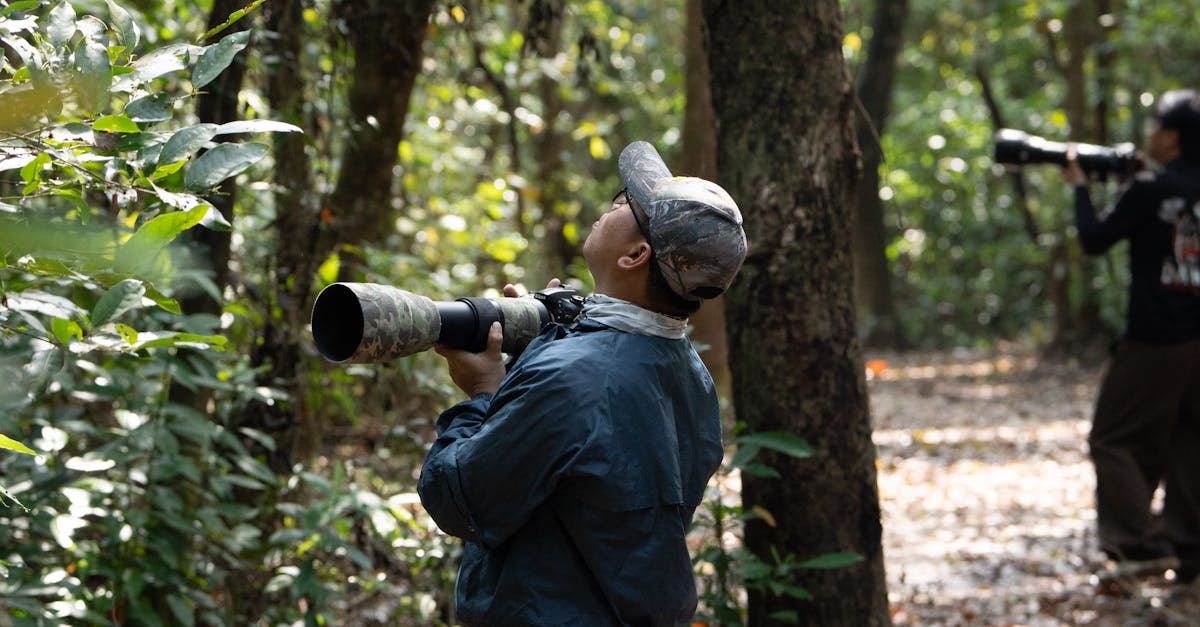
When exploring the ancient woodlands of the Harz Mountains, your presence can directly contribute to the preservation of iconic species like the Eurasian lynx and the black woodpecker. By choosing licensed tour operators who adhere to strict distance guidelines and minimize noise pollution, you ensure that wildlife remains undisturbed in their natural habitats. Many local conservation groups rely on the revenue generated from responsible eco-tours to fund anti-poaching patrols and habitat restoration projects, turning your visit into a vital financial pillar for protecting this UNESCO Biosphere Reserve.
Responsible wildlife watching also means respecting the delicate balance of the ecosystem by staying on marked trails and never feeding wild animals, which can alter their natural behaviors and make them dependent on humans. Engaging with knowledgeable local guides not only enhances your experience by revealing hidden ecological stories but also fosters a deeper appreciation for the region's biodiversity. Every ethical choice you make, from using binoculars instead of approaching too closely to participating in citizen science initiatives, helps sustain the Harz as a thriving sanctuary for nature while supporting the communities dedicated to its long-term care.
 This photo was taken by Tam Freemanfreemind on Pexels.