Sustainable Tourism: Eco-Friendly Travel in Germany
 This photo was taken by Ad Thiry on Pexels.
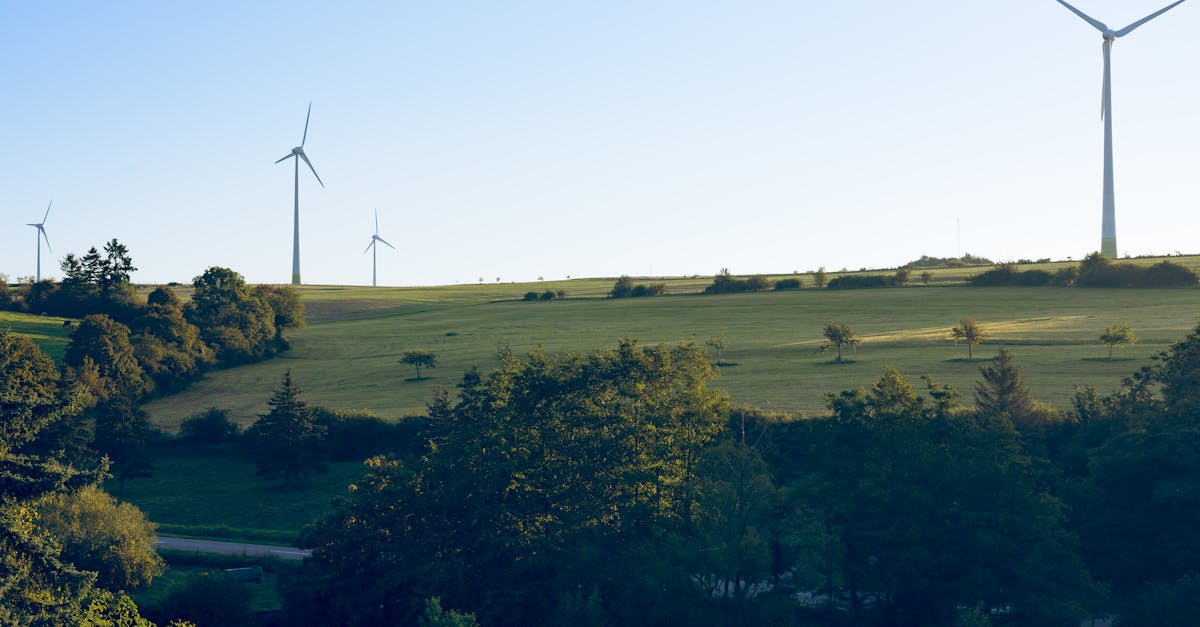
Welcome to the heart of Europe, where tradition meets innovation in a stunning display of environmental stewardship. As your local guide, I am thrilled to introduce you to a Germany that is not only rich in history and culture but also deeply committed to preserving its natural beauty for future generations. Sustainable tourism here isn't just a trend; it's a way of life woven into the fabric of daily living and travel. In this post, we will explore how you can immerse yourself in Germany's eco-friendly urban landscapes, experience the freedom of green transportation like our extensive rail network, and discover the magic of staying local while supporting conservation efforts in our world-class national parks. Get ready to embark on a journey that respects the planet as much as it celebrates the country.
Discover Germany's Green Cities: A Guide to Eco-Friendly Urban Exploration
Germany has emerged as a global leader in sustainable urban planning, offering travelers the unique opportunity to explore vibrant cities where nature and modernity coexist seamlessly. In places like Freiburg im Breisgau, often hailed as Germany's greenest city, you will find neighborhoods powered entirely by renewable energy, extensive cycling networks that rival car traffic, and the iconic Black Forest just on the city's doorstep. Similarly, Berlin transforms its industrial past into lush urban oases, such as the Tempelhofer Feld, a former airport now serving as a massive public park where locals fly kites and cycle under the open sky. By utilizing the efficient electric trams and bike-sharing schemes available in these metropolises, visitors can minimize their carbon footprint while immersing themselves in a culture that deeply values environmental stewardship.
Embracing eco-friendly travel in Germany goes beyond mere transportation; it involves engaging with local communities through initiatives that prioritize sustainability at every turn. Many German cities have adopted strict waste separation protocols and offer "Green City" certifications for hotels and restaurants that source ingredients locally and eliminate single-use plastics. As you wander through the tree-lined boulevards of Munich or the riverfront parks of Hamburg, you are encouraged to participate in guided ecological tours that highlight biodiversity hotspots within the urban fabric. This approach not only preserves the natural beauty of these destinations but also supports a tourism model that respects the environment, ensuring that Germany remains an inviting and responsible destination for future generations of explorers.
 This photo was taken by Виктория Слободян on Pexels.
Train, Hike, and Stay Local: The Heart of Sustainable German Travel
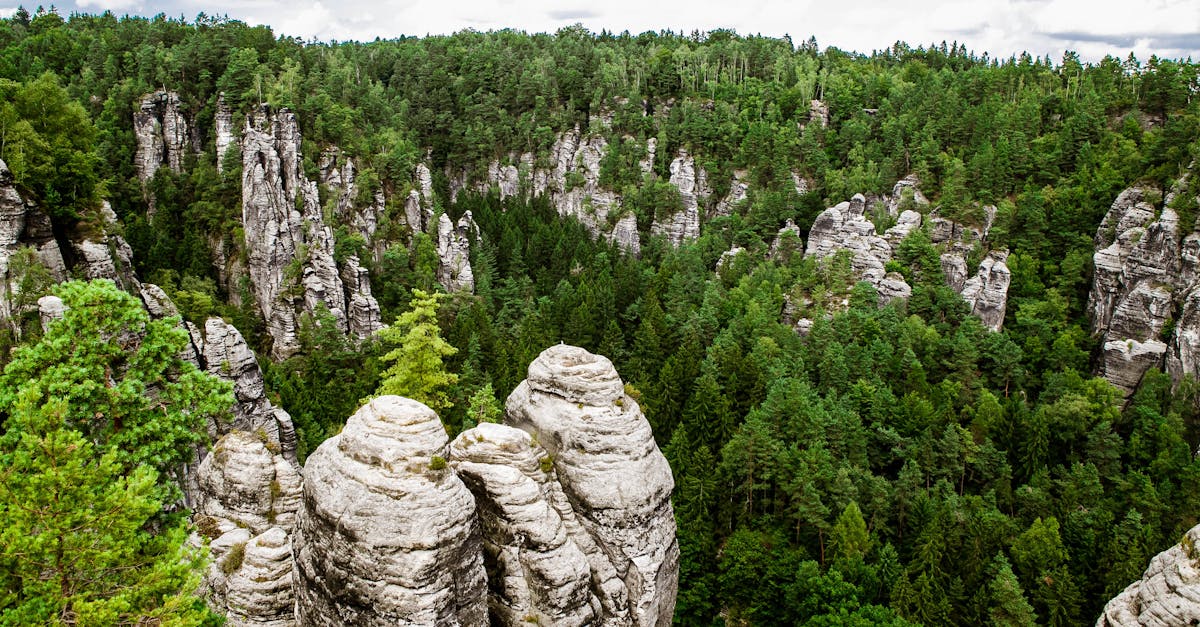
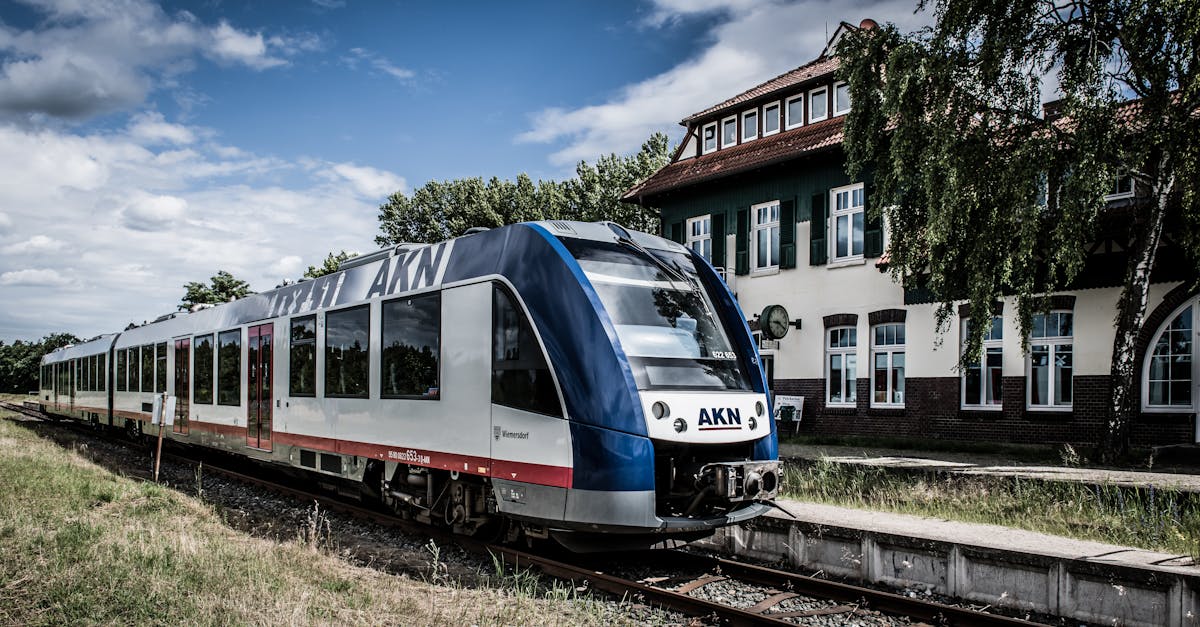
Germany's extensive and punctual rail network serves as the perfect backbone for an eco-conscious journey, allowing travelers to glide effortlessly from historic cities to remote natural landscapes without the carbon footprint of a car. By opting for the Deutschland-Ticket, you can explore the country on a single affordable pass, making it easy to hop off at quaint villages like those in the Black Forest or the romantic Rhine Valley to begin your adventure. This seamless integration of public transport encourages a slower pace of travel, where the rhythm of the train whistle sets the tone for a day spent hiking through pristine forests, navigating winding trails in the Bavarian Alps, or wandering along the Elbe River, all while immersing yourself in the local culture rather than rushing between tourist traps.
Once you have reached these serene destinations, the true spirit of sustainable German tourism comes alive by choosing locally owned guesthouses, family-run pensions, and eco-certified hotels that prioritize regional sourcing and energy efficiency. Staying with locals not only ensures that your money directly supports the community but also opens doors to authentic experiences, such as traditional farm-to-table dinners featuring seasonal produce or guided nature walks led by knowledgeable residents who know the hidden gems of their homeland. This approach transforms a simple vacation into a meaningful connection with the land, proving that traveling responsibly in Germany means leaving a positive impact on the environment and preserving the unique character of its diverse regions for future generations.
 This photo was taken by Wolfgang Weiser on Pexels.
Protecting Nature: Top National Parks and Conservation Efforts for Responsible Tourists
 This photo was taken by Jean-Paul Wettstein on Pexels.