Sustainable Tourism: Eco-Friendly Ways to Explore Germany
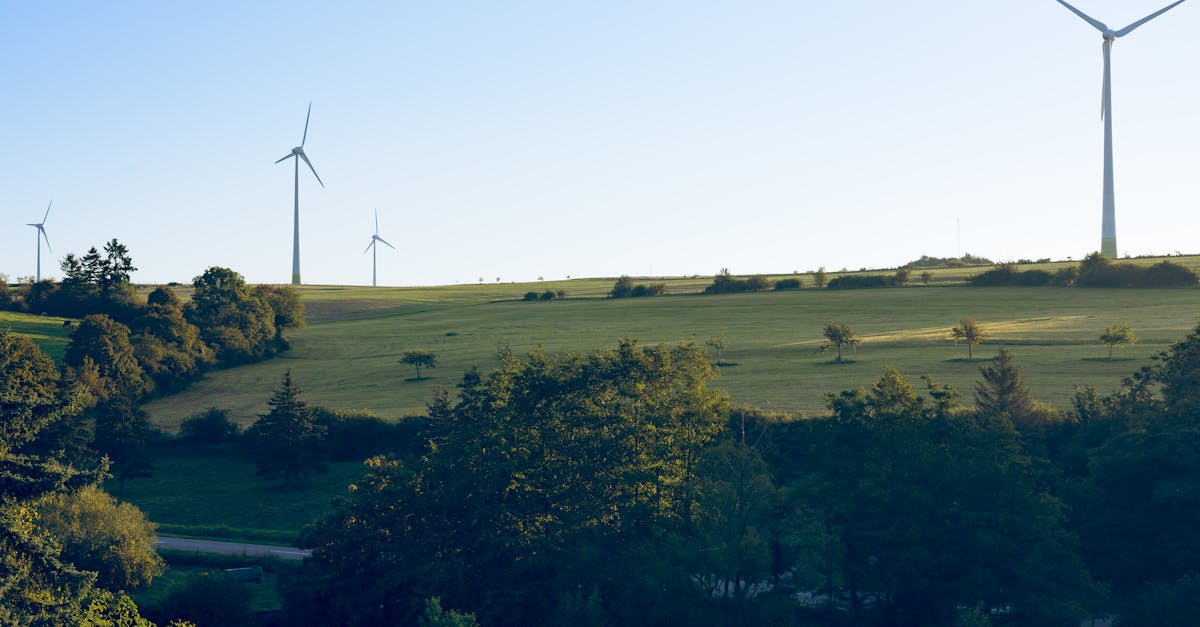 This photo was taken by Ad Thiry on Pexels.
Welcome to the heart of Europe, where lush forests meet modern innovation and a deep respect for nature. As your local guide, I am thrilled to introduce you to Germany's growing movement towards sustainable tourism—a journey that allows you to experience the country's rich culture while protecting its precious landscapes. In this post, we will explore how you can travel responsibly by navigating our eco-friendly cities and efficient public transport networks, unwinding in charming organic farm stays and eco-lodges nestled in the countryside, and hiking through our pristine national parks with a mindset of conservation. Get ready to discover a greener side of Germany that leaves only footprints and takes away nothing but unforgettable memories.
Discovering Germany's Green Cities and Public Transport Networks
Germany's urban landscape is a testament to the harmonious blend of nature and modern living, where cities like Freiburg, Munich, and Hamburg proudly wear their "green city" titles. These destinations are not merely defined by their iconic landmarks but by their commitment to preserving green spaces, with extensive parks, riverbanks, and urban forests that offer serene escapes from the bustling city life. From the sprawling Englischer Garten in Munich to the eco-districts of Berlin, visitors can explore vibrant communities where sustainable architecture meets lush vegetation, proving that high-density urban areas can thrive alongside environmental stewardship.
Navigating these eco-conscious metropolises is effortless thanks to Germany's world-class public transport networks, which serve as the backbone of sustainable tourism. With an integrated system of trams, buses, U-Bahn (subway), and S-Bahn trains, travelers can easily reach hidden gems without relying on private cars, significantly reducing their carbon footprint. Many cities offer affordable day passes or even free travel for children, encouraging tourists to hop between cultural sites, historic districts, and scenic viewpoints seamlessly while supporting a cleaner, quieter, and more efficient mode of exploration.
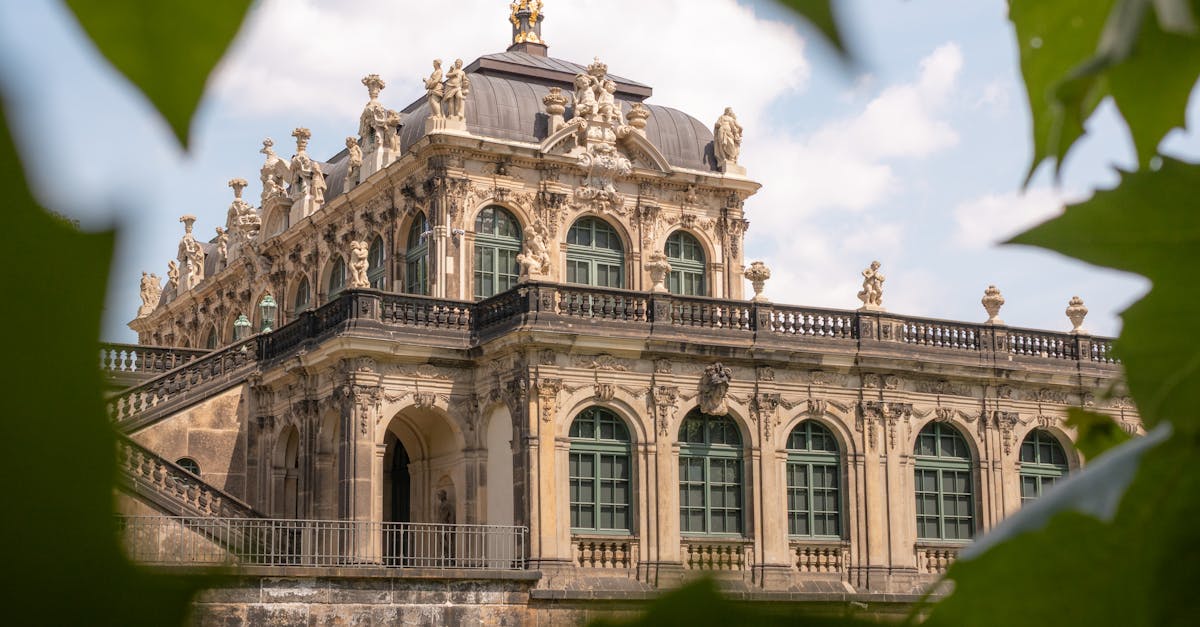 This photo was taken by Niklas Jeromin on Pexels.
Embracing Eco-Lodges and Organic Farm Stays in the Countryside
Immerse yourself in the serene beauty of Germany's countryside by choosing eco-lodges that harmonize with their natural surroundings, from the rolling hills of Bavaria to the misty forests of the Black Forest. These sustainable accommodations often feature passive solar design, rainwater harvesting systems, and locally sourced building materials like timber and stone, offering a guilt-free retreat where comfort meets conservation. Guests can expect warm hospitality rooted in regional traditions, enjoying organic breakfasts prepared from ingredients harvested just steps away on the property, all while contributing directly to the preservation of local biodiversity and rural communities.
For a deeper connection to the land, organic farm stays provide an authentic window into Germany's agricultural heritage, inviting travelers to participate in daily routines such as milking cows, gathering eggs, or tending to vegetable gardens. Many of these family-run farms are certified under strict ecological guidelines, ensuring that no synthetic pesticides are used and that animal welfare is prioritized above all else. By staying at these locations, tourists not only support the transition to regenerative agriculture but also gain a profound understanding of the "farm-to-table" philosophy that defines modern German cuisine, creating memories that are as nourishing for the soul as they are for the palate.
 This photo was taken by Quang Nguyen Vinh on Pexels.
Practicing Responsible Hiking and Nature Conservation in German National Parks
Practicing Responsible Hiking and Nature Conservation in German National Parks
When exploring Germany's breathtaking national parks, from the rugged cliffs of the Bavarian Forest to the pristine dunes of Schleswig-Holstein Wadden Sea, visitors play a crucial role in preserving these fragile ecosystems. The golden rule is simple yet vital: stay on marked trails to prevent soil erosion and protect sensitive undergrowth, as many species here are strictly protected by law. Whether you are trekking through ancient beech forests or walking along coastal paths, remember that leaving no trace means taking all your waste with you, including biodegradable items like fruit peels, which can disrupt local wildlife diets. By respecting the "leave it better than you found it" philosophy, tourists ensure that these natural sanctuaries remain thriving habitats for deer, lynx, and countless bird species for generations to come.
Beyond just trail etiquette, responsible hiking involves actively supporting conservation efforts and understanding the unique regulations of each park. In Germany, camping is generally prohibited outside of designated areas, and lighting fires is strictly forbidden to prevent forest fires, a significant risk especially during dry summer months. Many national parks offer guided tours led by certified rangers who provide valuable insights into local flora and fauna while reinforcing the importance of biodiversity; participating in these programs not only enhances your experience but also contributes directly to educational initiatives. By choosing eco-friendly gear, minimizing noise pollution, and adhering to seasonal restrictions designed to protect breeding animals, every hiker becomes an active guardian of Germany's natural heritage, embodying the true spirit of sustainable tourism.
 This photo was taken by Franco Monsalvo on Pexels.