Sustainable Tourism: Eco-Friendly Ways to Explore the Green Heart of Europe
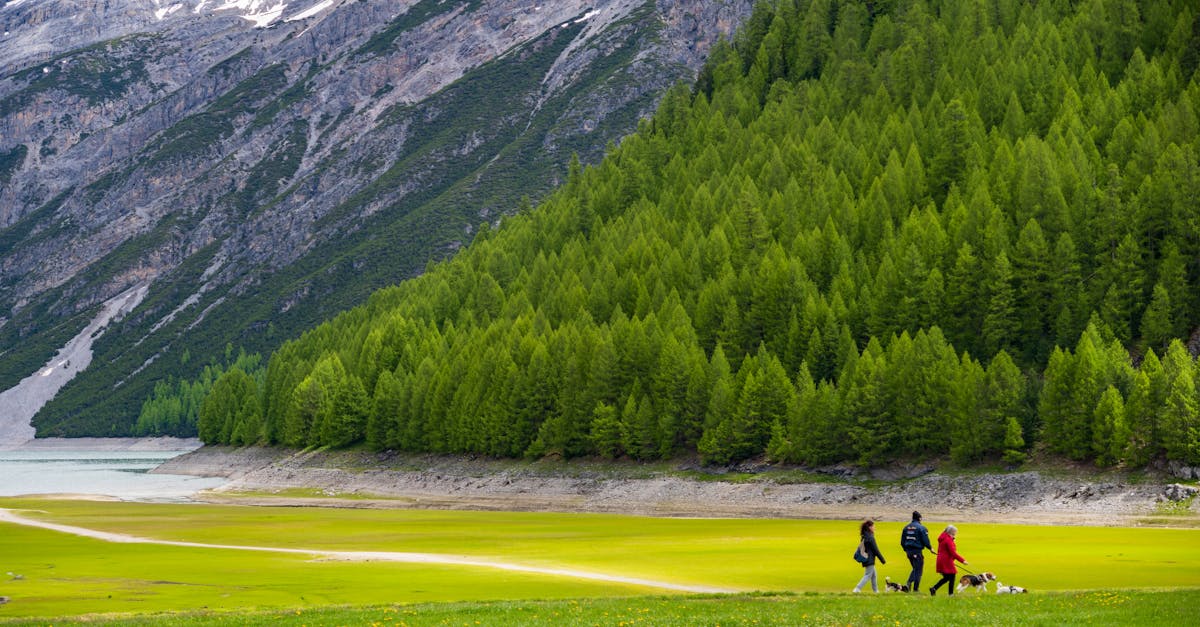 This photo was taken by Michał Robak on Pexels.
Welcome to the Green Heart of Europe, a land where ancient forests meet pristine rivers and where modern innovation harmonizes with nature. As your local guide, I am thrilled to invite you on a journey that goes beyond the postcard views, exploring how Germany is leading the way in sustainable travel. In this post, we will uncover hidden natural sanctuaries away from the crowds, share practical tips for eco-friendly transport ranging from scenic rail routes to bicycle paths, and highlight the vibrant local communities and hospitality providers who are dedicated to preserving our environment while offering authentic experiences. Let us embark together on a conscious adventure that respects our planet and enriches the places we visit.
Discovering Germany's Hidden Green Gems
While the bustling cities of Berlin and Munich often steal the spotlight, Germany's true ecological soul beats in its lesser-known national parks and biosphere reserves. Venture beyond the well-trodden paths to explore the pristine landscapes of the Bavarian Forest or the unique wetlands of the Schleswig-Holstein Wadden Sea, where sustainable practices are not just a policy but a way of life for local communities. Here, you can hike through ancient beech forests that have stood since prehistoric times or kayak silently across glassy lakes, all while supporting initiatives that prioritize biodiversity conservation and carbon-neutral travel options.
Embracing eco-friendly tourism in these hidden gems means engaging with nature respectfully and immersing yourself in the region's rich cultural heritage without leaving a heavy footprint. Many rural villages offer charming "green" accommodations like organic farm stays and eco-lodges built from local materials, providing travelers with an authentic taste of German hospitality while directly contributing to the local economy. By choosing slow travel methods such as cycling on dedicated greenways or taking electric ferries across the Rhine, you not only reduce your environmental impact but also discover the serene beauty of the countryside at a pace that allows you to truly connect with the Green Heart of Europe.
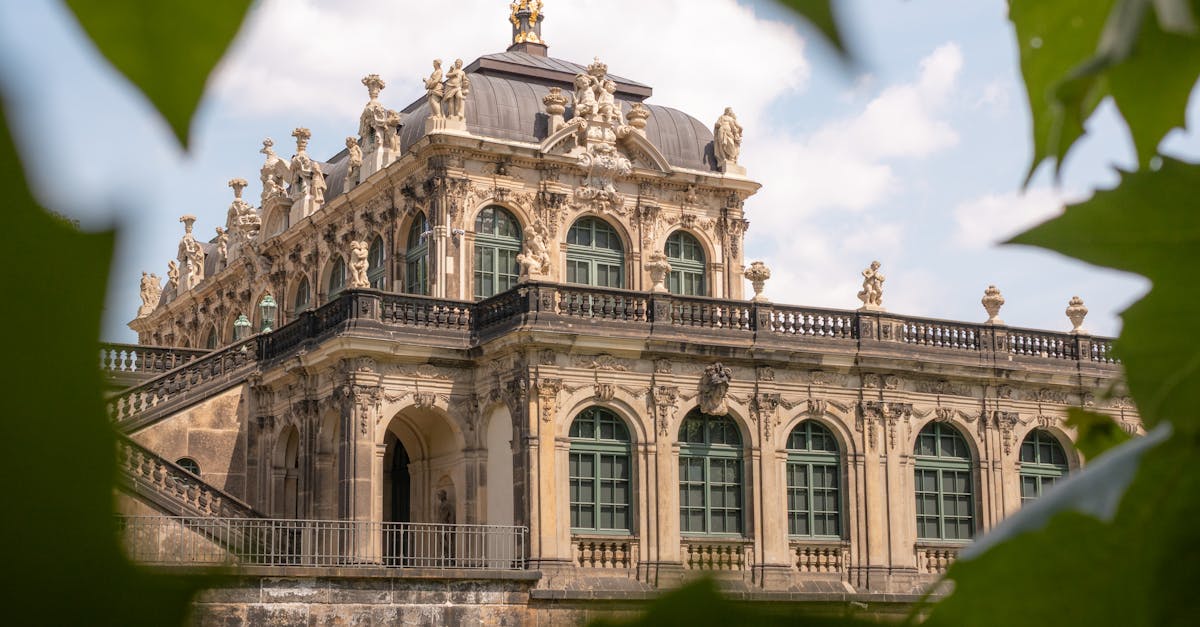 This photo was taken by Niklas Jeromin on Pexels.
Traveling with a Conscience: Eco-Friendly Transport Options
Germany boasts one of the most extensive and efficient public transportation networks in Europe, making it the perfect destination for travelers committed to reducing their carbon footprint. Instead of renting a car, you can seamlessly navigate from the bustling streets of Berlin to the serene Bavarian Alps using the Deutsche Bahn (DB) rail system, which frequently offers eco-friendly "Green Tickets" that offset emissions. For shorter distances or scenic routes between cities, regional buses and intercity coaches provide comfortable alternatives with significantly lower environmental impact than flying. By choosing these modes of transport, you not only minimize your travel-related pollution but also immerse yourself in the diverse German landscape, enjoying views of rolling vineyards and historic towns that are often missed when driving.
For those who prefer to explore at their own pace without relying on motorized vehicles, Germany's well-maintained cycling infrastructure offers an exhilarating way to engage with local culture while staying green. The country is crisscrossed by thousands of kilometers of dedicated bike paths, including renowned routes like the Rhine Cycle Path, where you can cycle past medieval castles and charming villages entirely under your own power. Many cities, such as Hamburg and Munich, have implemented extensive bike-sharing programs and car-free zones, encouraging visitors to pedal through urban centers. Embracing this active form of travel allows you to discover hidden gems, support local economies by stopping at small family-run bakeries, and contribute to a cleaner, more sustainable tourism model that preserves the natural beauty of the Green Heart of Europe.
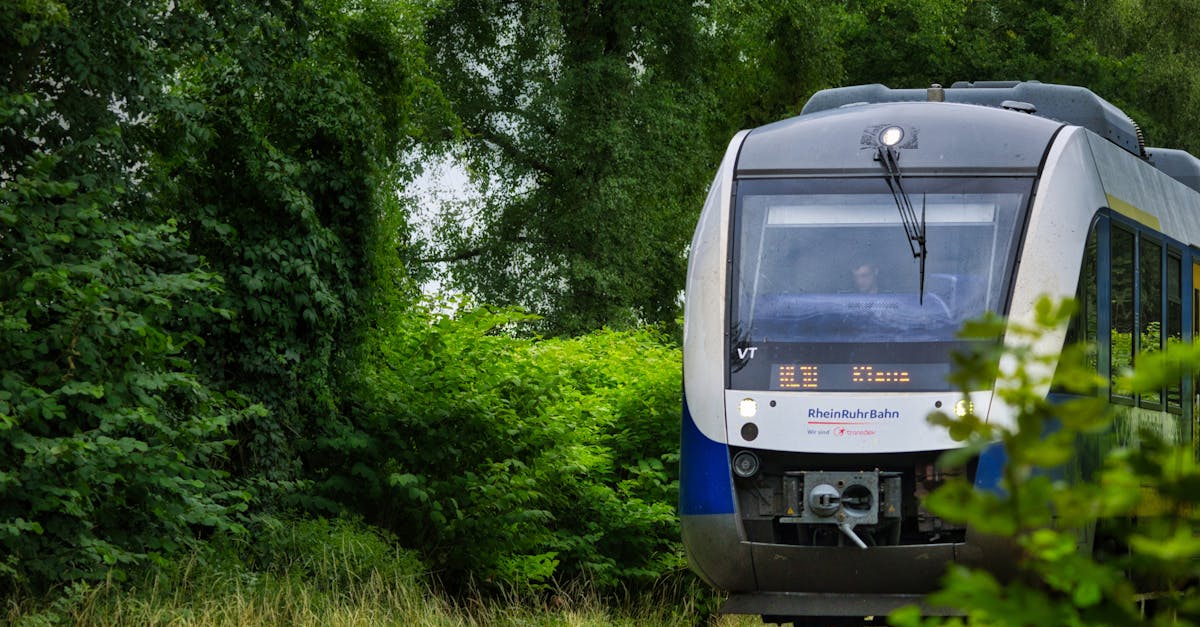 This photo was taken by Wolfgang Vrede on Pexels.
Supporting Local Communities and Sustainable Hospitality
Traveling through Germany's lush landscapes offers a unique opportunity to directly support local communities and preserve the cultural heritage that defines this region. By choosing family-owned guesthouses, known as Pensionen, or staying in eco-certified accommodations, visitors ensure that their spending remains within the local economy rather than flowing into international chains. This approach empowers rural villages from the Black Forest to Bavaria, allowing artisans to continue traditional crafts like clockmaking or pottery while providing residents with sustainable livelihoods. Furthermore, many German hospitality providers are actively engaging in community projects, such as maintaining local hiking trails or organizing regional food markets, creating a symbiotic relationship where tourists gain authentic experiences and locals thrive.
Sustainable hospitality in Germany goes beyond accommodation; it is deeply rooted in a philosophy of "Green Hospitality" that prioritizes environmental stewardship alongside social responsibility. You will frequently encounter establishments that source ingredients from nearby organic farms, reducing carbon footprints while offering travelers fresh, seasonal flavors true to their specific region. From zero-waste initiatives in Berlin hostels to solar-powered lodges in the Alps, these businesses demonstrate that luxury and sustainability can coexist harmoniously. As you explore the green heart of Europe, your conscious choices—such as patronizing businesses with recognized eco-labels like the European Ecolabel or the Green Key—act as a vote for a future where tourism protects rather than depletes the natural beauty that draws us all here.
 This photo was taken by MART PRODUCTION on Pexels.