Sustainable Travel: Eco-Friendly Tourism in Germany
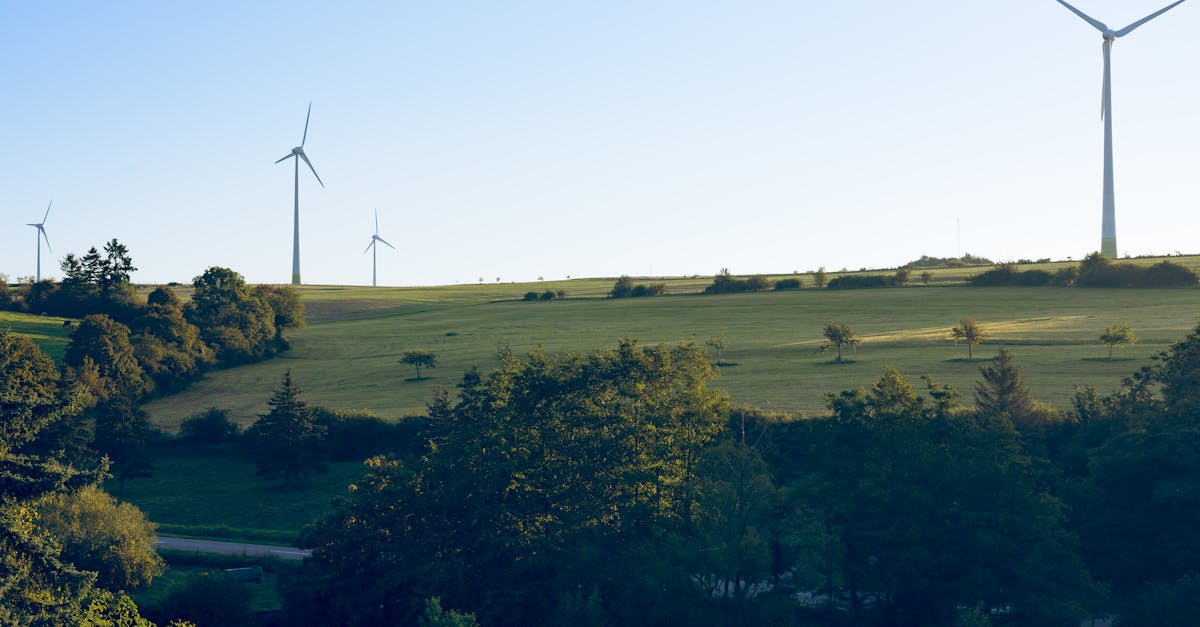 This photo was taken by Ad Thiry on Pexels.
Willkommen! As a local guide who has spent years exploring the diverse landscapes of my homeland, I am thrilled to share how Germany is leading the way in responsible tourism. Far beyond the fairy-tale castles and bustling beer halls, our country offers a profound commitment to preserving nature while welcoming visitors with open arms. In this post, we will journey through vibrant urban centers where green spaces meet efficient public transport networks, retreat into serene eco-lodges nestled within the Black Forest, and savor delicious meals that celebrate farm-to-table freshness from every region. Get ready to discover a Germany that travels lightly, leaving only footprints and fond memories behind.
Discovering Germany's Green Cities and Public Transport Networks
Germany has redefined urban living by seamlessly blending historic charm with modern sustainability, making cities like Freiburg, Munich, and Hamburg true paragons of eco-friendly tourism. In Freiburg, often hailed as Germany's greenest city, visitors can explore the vibrant Vauban district where car-free streets are paved for cyclists and pedestrians, while solar panels gleam on every rooftop. These urban oases offer more than just picturesque views; they provide a lifestyle where nature is woven into the fabric of daily life, allowing tourists to breathe in fresh air amidst lush parks and community gardens that double as social hubs.
Complementing these verdant landscapes is one of the world's most efficient public transport networks, which serves as the backbone of sustainable travel across the nation. With an extensive web of trains, trams, and buses operated by Deutsche Bahn and local providers, reaching any destination requires little more than a smartphone app and a valid ticket. The introduction of the Deutschland-Ticket further revolutionizes this experience, offering unlimited access to regional transport for a flat monthly fee, encouraging travelers to ditch their rental cars entirely. This seamless connectivity not only reduces carbon footprints but also grants tourists an authentic glimpse into German efficiency and a deep appreciation for the country's commitment to a greener future.
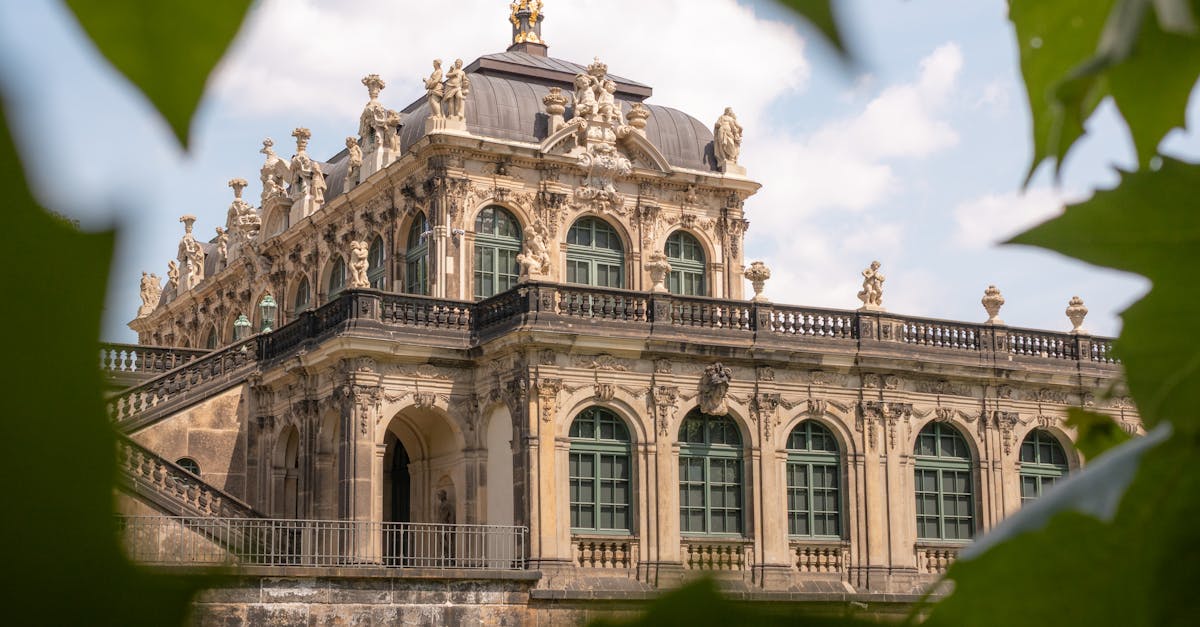 This photo was taken by Niklas Jeromin on Pexels.
Eco-Lodges and Nature Reserves: Sleeping Lightly in the Black Forest
Deep within the emerald canopy of the Schwarzwald, eco-lodges offer a sanctuary where modern comfort harmonizes seamlessly with ancient forest traditions. These sustainable accommodations, often constructed from local timber and powered by renewable energy sources like hydroelectricity or solar panels, invite travelers to disconnect from the digital world while reconnecting with nature. Guests can unwind in rooms featuring natural materials and organic linens, all designed to minimize their carbon footprint without sacrificing the warmth of a German welcome. Many lodges actively participate in conservation efforts, offering guided night walks to spot owls and deer, ensuring that tourism supports rather than disrupts the delicate ecosystem of this UNESCO-protected biosphere reserve.
Beyond the lodging itself, the Black Forest serves as a sprawling nature reserve where visitors can practice "sleeping lightly" through immersive experiences that prioritize preservation. Hiking trails here are meticulously maintained to prevent erosion, encouraging guests to explore on foot or by bicycle along the famous Black Forest High Trail. Local initiatives ensure that waste is strictly managed and water usage is optimized, allowing tourists to enjoy pristine streams and meadows knowing their presence contributes to the region's long-term ecological health. By choosing these responsible travel options, you not only experience the serene beauty of Germany's most famous woodland but also become an active partner in safeguarding its biodiversity for future generations.
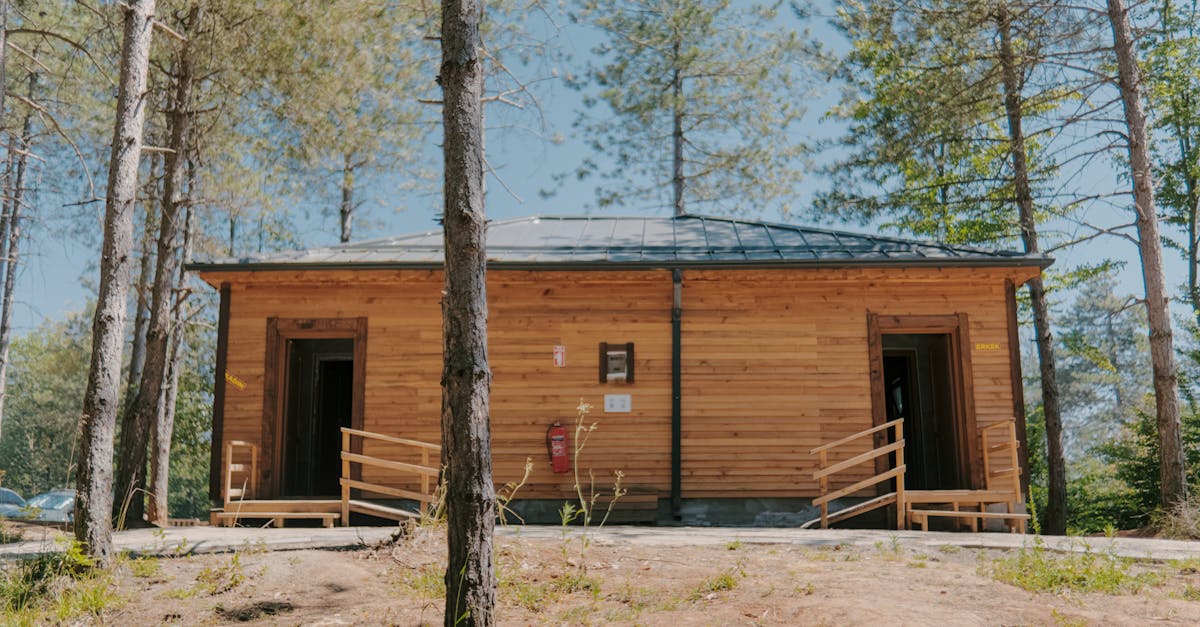 This photo was taken by Abdullah Öğük on Pexels.
Sustainable Gastronomy: Farm-to-Table Dining Across the Country
Germany has emerged as a global leader in sustainable gastronomy, where the concept of farm-to-table dining is deeply woven into the cultural fabric rather than merely serving as a trendy buzzword. From the rolling vineyards of the Mosel Valley to the alpine pastures of Bavaria, travelers are increasingly invited to experience meals that tell a story of local provenance and seasonal stewardship. Many restaurants have adopted rigorous certification standards, ensuring that ingredients are sourced within a short radius, often directly from family-run farms that practice regenerative agriculture. This approach not only minimizes the carbon footprint associated with food transportation but also supports rural economies and preserves traditional culinary heritage, allowing visitors to taste the authentic flavors of each region's terroir.
Embracing this eco-conscious ethos extends beyond the plate, influencing how tourists engage with Germany's diverse culinary landscape. You will find numerous "Gasthöfe" (country inns) and urban eateries offering zero-waste menus, utilizing every part of the vegetable or fish to reduce food waste, while others provide transparent sourcing maps on their websites so diners know exactly where their meal originated. For the environmentally conscious traveler, this means that every meal becomes an opportunity to support biodiversity and ethical farming practices. Whether you are enjoying a hearty regional stew made from locally foraged mushrooms or sipping wine produced using biodynamic methods, Germany offers a dining experience that satisfies the palate while aligning perfectly with the principles of responsible tourism.
 This photo was taken by Nataliya Vaitkevich on Pexels.