Sustainable Travel: Eco-Friendly Ways to Explore the German Countryside
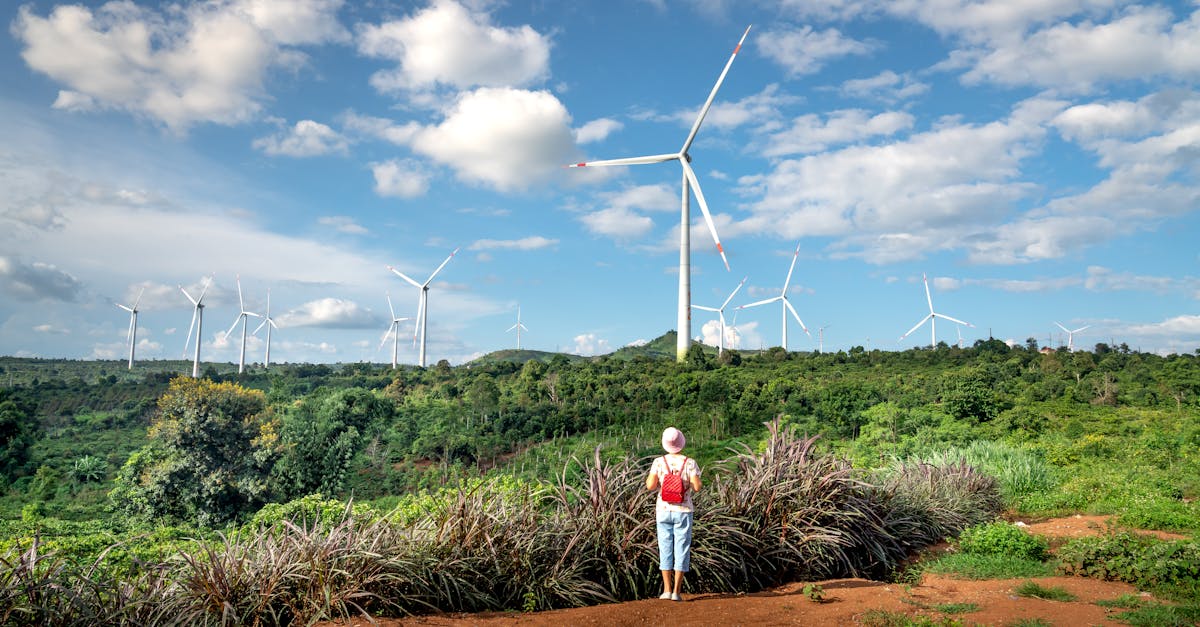 This photo was taken by Quang Nguyen Vinh on Pexels.
Welcome to the heart of Germany, where rolling hills, dense forests, and charming villages offer a sanctuary for travelers seeking connection with nature. As we navigate a world increasingly aware of our environmental footprint, the German countryside stands as a shining example of how tourism can thrive sustainably. In this post, we will guide you through eco-friendly ways to immerse yourself in rural life, from utilizing the country's exceptional rail network and cycling paths to discovering accommodations that prioritize green practices. Join us as we explore how savoring seasonal, farm-to-table cuisine not only delights your palate but also supports local farmers. Let's embark on a journey that honors the beauty of Germany while preserving it for generations to come.
Embracing Green Mobility: Trains, Bikes, and Walking Trails
Germany's commitment to sustainable travel is most evident in its world-class rail network, where the Deutsche Bahn offers seamless connections between bustling cities and serene rural villages. Beyond the convenience of frequent train services, the country has developed an extensive "Radfernwege" (cycling highway) system that invites visitors to pedal through picturesque landscapes like the Rhine Valley or the Black Forest. These dedicated paths are meticulously maintained and often feature clear signage in multiple languages, ensuring that whether you are a seasoned cyclist or a casual rider, you can navigate the countryside with confidence while leaving a minimal carbon footprint.
For those who prefer to explore at a slower, more immersive pace, Germany boasts thousands of kilometers of well-marked hiking trails known as "Wanderwege," which weave through ancient woodlands, rolling vineyards, and along pristine rivers. Many regions have integrated these walking routes with local public transport, allowing tourists to hop on a bus or train to start their hike and return without needing a car, effectively creating a zero-emission loop for the day. By embracing this green mobility trifecta of trains, bikes, and walking trails, travelers not only reduce their environmental impact but also discover hidden gems and authentic local experiences that remain inaccessible from the road.
 This photo was taken by Caique Araujo on Pexels.
Supporting Local Communities with Eco-Conscious Accommodations
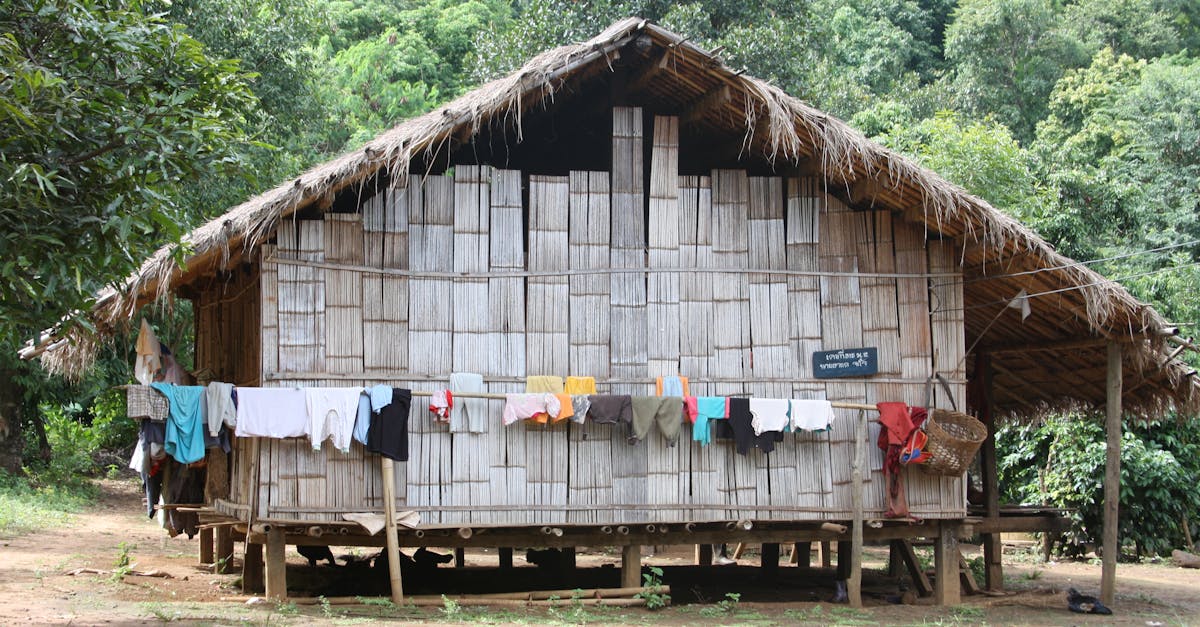
Choosing eco-conscious accommodations in the German countryside is a powerful way to directly support local communities while minimizing your environmental footprint. Many family-run guesthouses and certified "Bio-Hotels" prioritize sourcing ingredients from nearby farms, employing local staff, and preserving traditional architectural styles using sustainable materials. By staying at these establishments, travelers ensure that tourism revenue remains within the region, helping to maintain the unique cultural fabric of villages from the Black Forest to Bavaria's Alpine foothills.
Furthermore, these green lodgings often serve as educational hubs where guests can learn about regional conservation efforts and participate in activities like organic gardening or hiking with local naturalists. This immersive approach fosters a deeper connection between visitors and residents, promoting a sense of shared responsibility for the landscape. Whether you are sleeping in a solar-powered farmhouse in Saxony or a timber-fristed inn in Hesse, your choice helps drive a model of responsible tourism that protects Germany's natural beauty for future generations while revitalizing rural economies.
 This photo was taken by Luke Yanko on Pexels.
Savoring the Seasons: Farm-to-Table Dining in Rural Germany
In the rolling hills of Bavaria and the vine-draped slopes of the Mosel, sustainable travel truly comes to life on your plate. Rural Germany has embraced a farm-to-table philosophy that goes beyond mere trendiness, rooted instead in a deep cultural respect for regional produce and seasonal rhythms. Imagine starting your morning with fresh eggs from a nearby coop, followed by a hearty lunch featuring vegetables harvested just hours ago from a local bio-farm. By choosing restaurants that partner directly with small-scale producers, you not only savor flavors at their absolute peak but also ensure that your dining dollars support the preservation of traditional agricultural practices and the local economy.
This culinary journey is perfectly timed with the changing seasons, offering unique experiences that connect travelers intimately with the landscape. During autumn, forests yield wild mushrooms and game that feature prominently on menus, while spring brings an explosion of asparagus varieties known locally as "white gold." Many eco-conscious farms now offer guided harvest tours where visitors can pick their own ingredients before enjoying a meal prepared on-site. By dining this way, you become part of a circular economy that minimizes food miles and carbon footprints, proving that exploring the German countryside is as much about tasting its authentic soul as it is about witnessing its breathtaking beauty.
 This photo was taken by Rachel Claire on Pexels.