The Autobahn Experience: Driving Through Germany
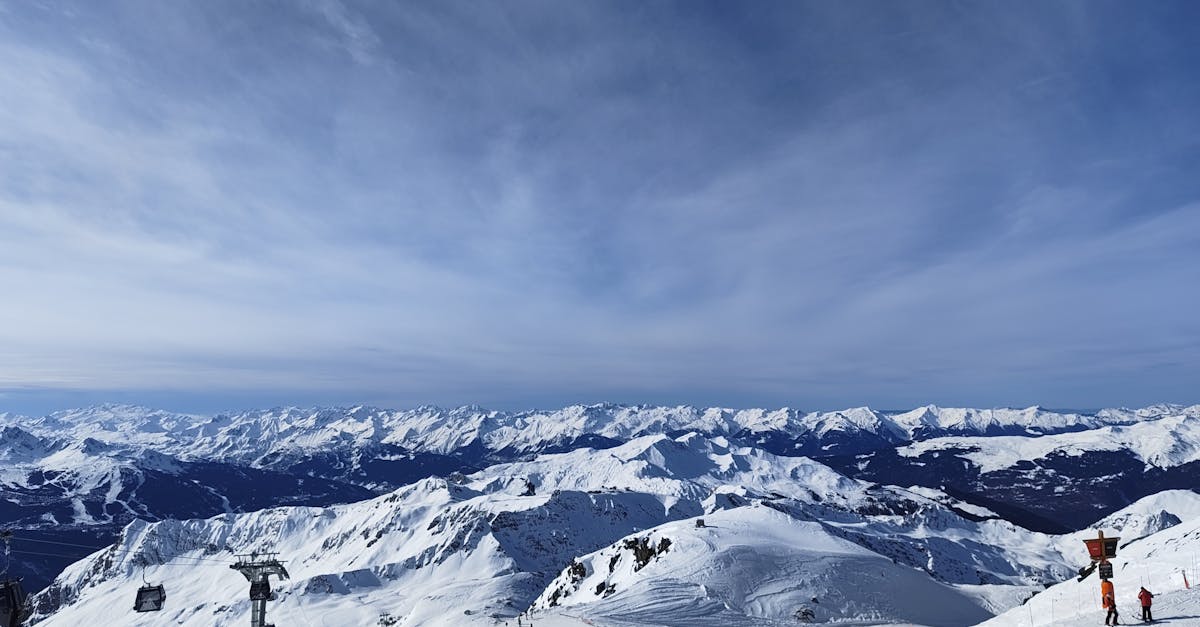 This photo was taken by Loic Van Montagu on Pexels.
There is a unique thrill in Germany that goes beyond its world-famous castles and bustling cities: the freedom of the open road. The Autobahn, often romanticized as an endless ribbon of asphalt where speed knows no bounds, offers an experience unlike any other in the world. Yet, this legendary network is about more than just velocity; it is a complex system woven with strict etiquette, breathtaking landscapes that unfold at high speeds, and specific logistical nuances for visitors. Whether you are an adrenaline seeker eyeing the unlimited sections or a leisurely driver planning to explore the rolling hills of the Black Forest, understanding how to navigate these roads safely is key to your adventure. In this post, we will guide you through the essential rules of the Autobahn, reveal stunning scenic routes waiting to be discovered, and provide practical advice on renting a car to ensure your journey across Germany is as smooth as it is memorable.
Navigating the Legend: Rules and Etiquette on the Autobahn
Driving on the German Autobahn is an exhilarating experience, but it requires a keen understanding of its unique unwritten laws and strict regulations. While the famous "no speed limit" sections are well-known, drivers must always adhere to the recommended advisory speed of 130 km/h (81 mph), as exceeding this can increase your liability in case of an accident. Furthermore, overtaking is strictly reserved for the left lane; lingering in the right lane at high speeds or using the shoulder as a passing lane is not only illegal but also considered highly disrespectful to other motorists. The golden rule of the Autobahn is simple yet vital: if you cannot maintain a safe following distance or if traffic ahead slows down significantly, you must yield and move to the right, ensuring a smooth flow of traffic for everyone.
Etiquette on the Autobahn extends beyond mere compliance with rules; it involves a culture of mutual respect and anticipation known as the "Rettungsgasse," or emergency lane. When traffic comes to a standstill, all vehicles must create a clear corridor between the leftmost and second-left lanes, allowing emergency services to reach accidents quickly—a maneuver that is legally mandatory and enforced with heavy fines if ignored. Additionally, signaling early before changing lanes is crucial, as German drivers value predictability above all else. By observing these norms, tourists not only ensure their own safety but also immerse themselves in the disciplined efficiency that makes driving through Germany a seamless journey across its diverse landscapes.
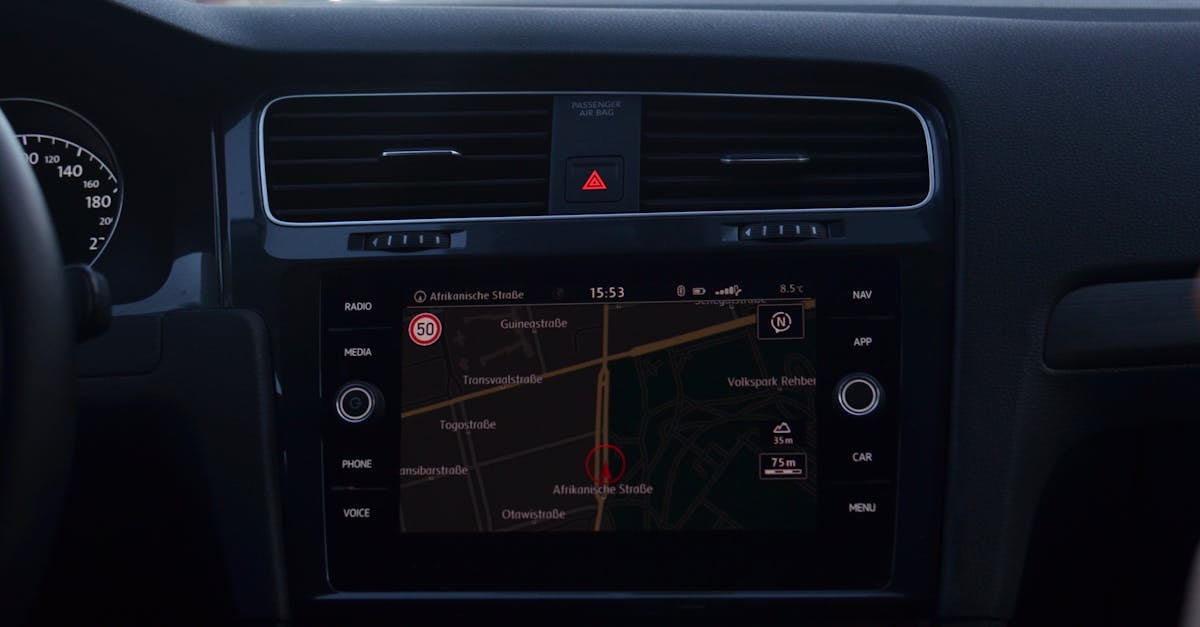 This photo was taken by Skylar Kang on Pexels.
Scenic Routes Beyond the Speed Limits
While the Autobahn is famous for its unrestricted speed zones, Germany offers a wealth of alternative driving experiences where the journey itself is the true reward. Routes like the Romantic Road (Romantische Straße) or the German Wine Route (Deutsche Weinstraße) invite you to slow down and immerse yourself in the country's picturesque landscapes, from rolling vineyards in the Rhineland to half-timbered towns nestled in the Black Forest. These scenic byways are meticulously maintained and lined with historic castles, charming villages, and local breweries, allowing travelers to savor the cultural depth of the region without the pressure of high-speed traffic.Beyond the major highways, the country's network of federal roads often reveals hidden gems that remain untouched by the rush of modern life. Driving through the Mosel Valley along winding river bends provides breathtaking views of steep slate slopes dotted with terraced vineyards, while the Alpine Pass Roads in Bavaria offer dramatic ascents past turquoise lakes and snow-capped peaks. These slower routes encourage spontaneous stops at overlooks, farmers' markets, and small family-run guesthouses, creating a more intimate connection with the German countryside and offering a peaceful counterbalance to the adrenaline-fueled reputation of the autobahn.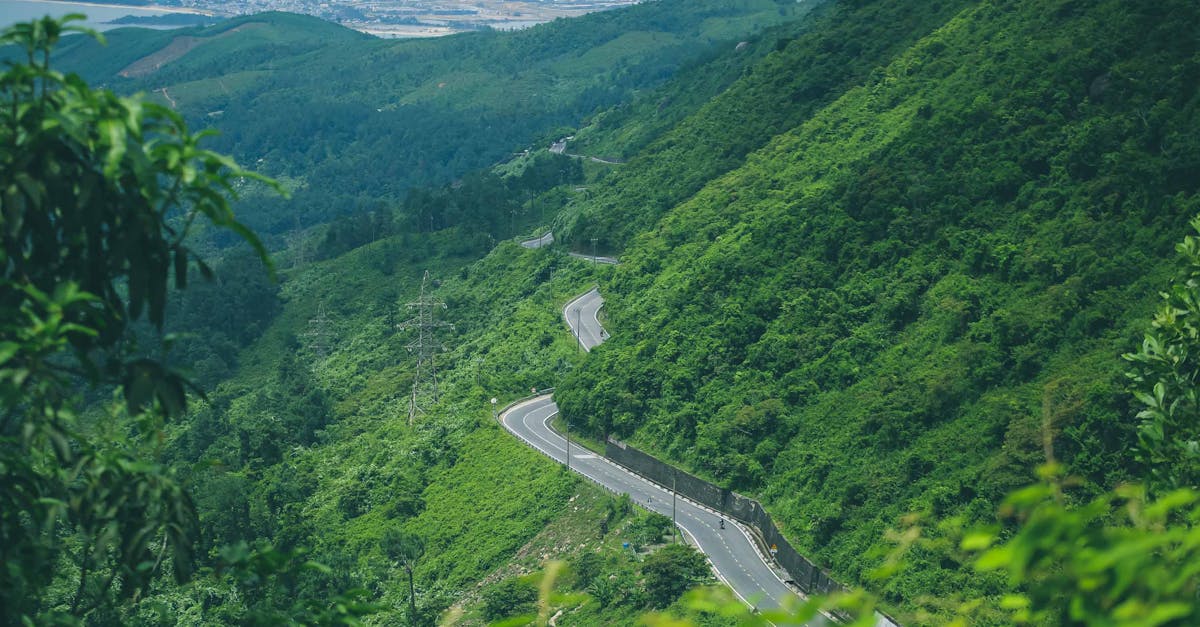 This photo was taken by Vietnam Photographer on Pexels.
Practical Tips for Renting a Car in Germany
Before you hit the legendary Autobahn, it is crucial to understand that Germany does not require a local driver's license for short-term visitors, but your home country's license must be valid and ideally accompanied by an International Driving Permit if it is not in German or English. When picking up your vehicle, look for the "Unlimited Mileage" option, as distances between German cities can be substantial, and be prepared for slightly higher fuel prices compared to some other European nations; filling up at major chains like Shell, Aral, or BP is generally more reliable than smaller independent stations. Additionally, always carry your passport and rental agreement with you while driving, as police conduct frequent random checks and fines for missing documentation can be steep.
Navigating German roads requires a keen awareness of specific traffic laws, particularly regarding speed limits on non-autobahn sections where they are strictly enforced via numerous cameras, and the absolute prohibition of using handheld mobile phones while driving. If you plan to drive into city centers, especially in metropolitan areas like Munich or Frankfurt, check beforehand if your destination is a low-emission zone (Umweltzone) requiring a green environmental sticker, which you can often obtain at the rental agency upon pickup for a small fee. Finally, remember that right-of-way rules differ slightly from what you might be used to; always yield to vehicles approaching from the right at unmarked intersections unless signage indicates otherwise, ensuring a smooth and safe journey through the German countryside.
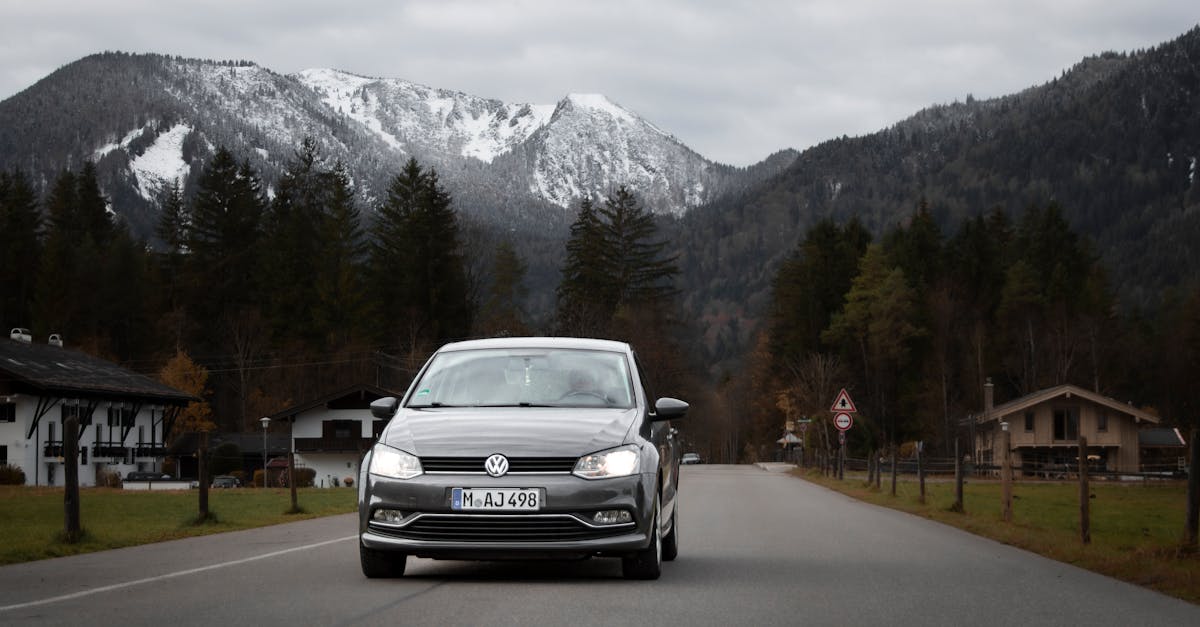 This photo was taken by Niclas Haritos on Pexels.