The Autobahn Experience: Driving Through Germany's Highways
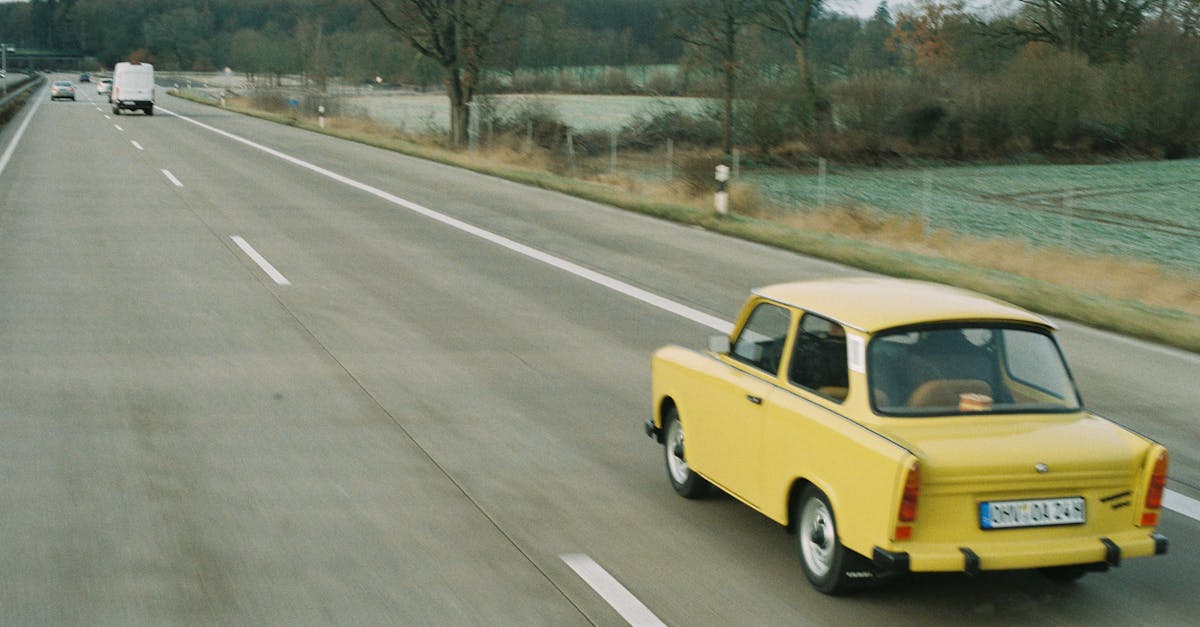 This photo was taken by Burcu Elmas on Pexels.
Welcome to the heart of Germany, where the journey is often as thrilling as the destination. There is a unique magic in behind the wheel of a car on German soil, particularly when you find yourself merging onto the legendary Autobahn. For many, this experience represents the ultimate blend of engineering prowess and open-road freedom, offering a driving adventure unlike anywhere else in the world. Whether you are drawn by the allure of sections without speed restrictions or simply wish to explore the country's breathtaking landscapes from a different perspective, understanding what lies ahead is essential for a safe and memorable trip. In this post, we will delve into the thrill of unrestricted driving, guide you through the specific rules and unspoken etiquette that keep these highways flowing smoothly, and reveal some of the most scenic routes that prove the Autobahn is about more than just getting from point A to point B.
The Freedom of the Unlimited Speed Limits
One of the most exhilarating aspects of driving in Germany is the legendary Autobahn, where sections of the network famously operate without a blanket speed limit. While many assume this means reckless speeding for everyone, it is actually a carefully regulated environment where drivers are free to push their vehicles to their limits on designated stretches, provided they possess the skill and confidence to do so. This unique freedom allows enthusiasts to experience the raw power of German engineering firsthand, feeling the road hum beneath them as they cruise at velocities that would be unthinkable elsewhere, all while adhering to strict rules regarding lane discipline and overtaking that keep traffic flowing smoothly even at high speeds.
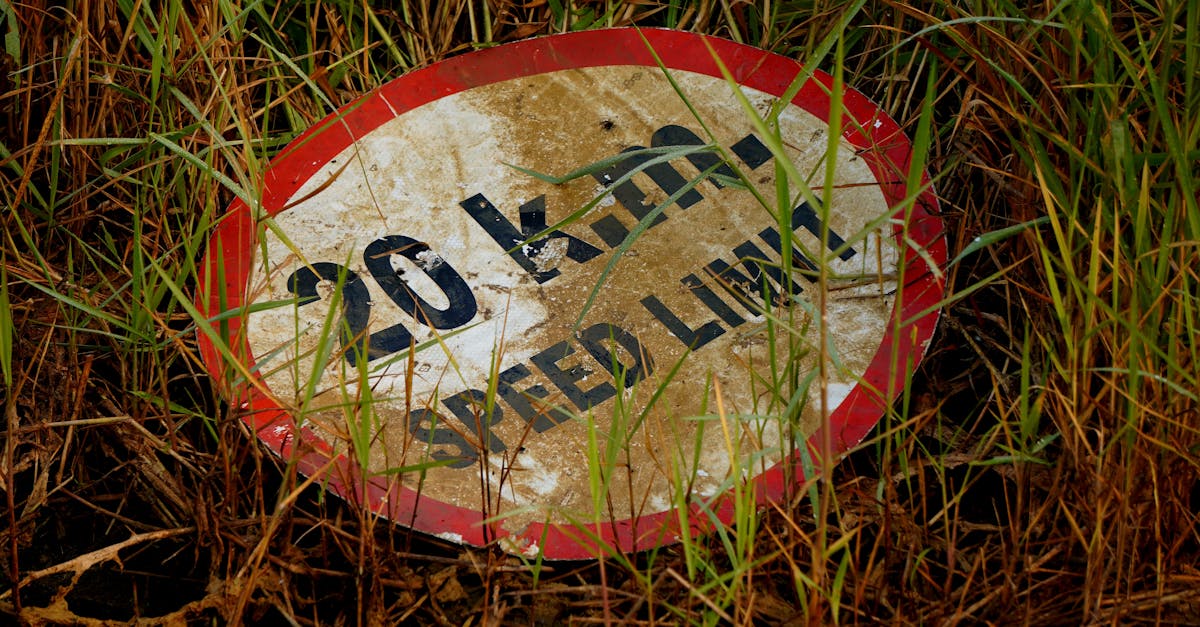
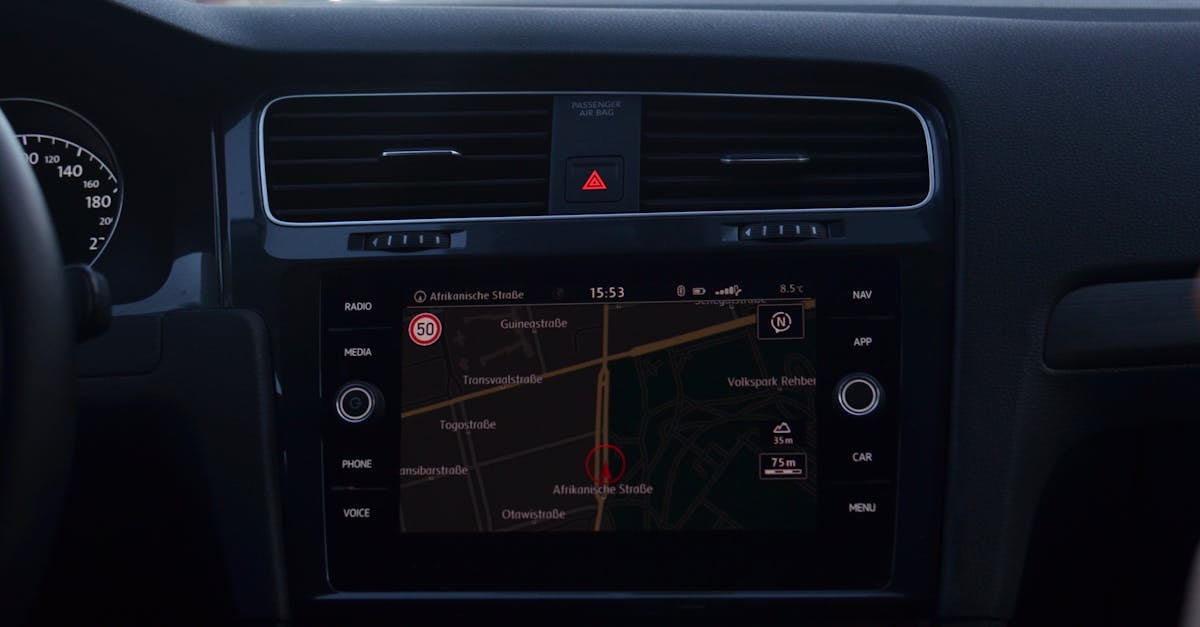
However, this sense of liberation comes with a heavy responsibility, as the absence of a posted limit does not equate to an absence of law; drivers must always travel at a "reasonable" speed considering weather, visibility, and traffic density. In reality, a significant portion of the Autobahn system features advisory speed limits, typically marked by blue signs suggesting 130 km/h, which serve as a strong recommendation rather than a hard cap. Whether you choose to embrace the thrill of unlimited acceleration or prefer to stick to these prudent guidelines, the experience remains a testament to Germany's trust in its drivers and its commitment to efficient, high-performance transportation infrastructure.
 This photo was taken by Nitish Kumar on Pexels.
Navigating Traffic Rules and Etiquette
Driving on the German Autobahn offers an unparalleled sense of freedom, but it comes with a unique set of unwritten rules and strict regulations that every visitor must respect. While famous stretches allow for unlimited speeds, caution is paramount; drivers are legally required to adapt their speed to road conditions, traffic density, and weather, meaning a "no limit" zone does not equate to "drive as fast as you want." A critical aspect of etiquette is the "right before left" rule at intersections without signs, though on highways, the golden rule is to keep right except when passing. If you find yourself driving in the left lane without overtaking another vehicle, you risk a significant fine and social stigma from locals who view this as a breach of highway courtesy.
Navigating the flow of traffic also demands heightened awareness of specific signage and emergency protocols. Unlike many other countries, there is no general obligation to pull over immediately for emergency vehicles if you cannot do so safely, but once you can, you must move to the shoulder while keeping your hazard lights on—a maneuver known as creating a "Rettungsgasse" or rescue lane. Furthermore, overtaking on the right is strictly prohibited unless traffic is moving slowly in queues, and using the horn is reserved exclusively for preventing accidents rather than expressing frustration. Mastering these nuances ensures not only your legal compliance but also a harmonious journey through Germany's world-renowned network of high-speed arteries.
 This photo was taken by Skylar Kang on Pexels.
Scenic Routes: Beyond the Concrete
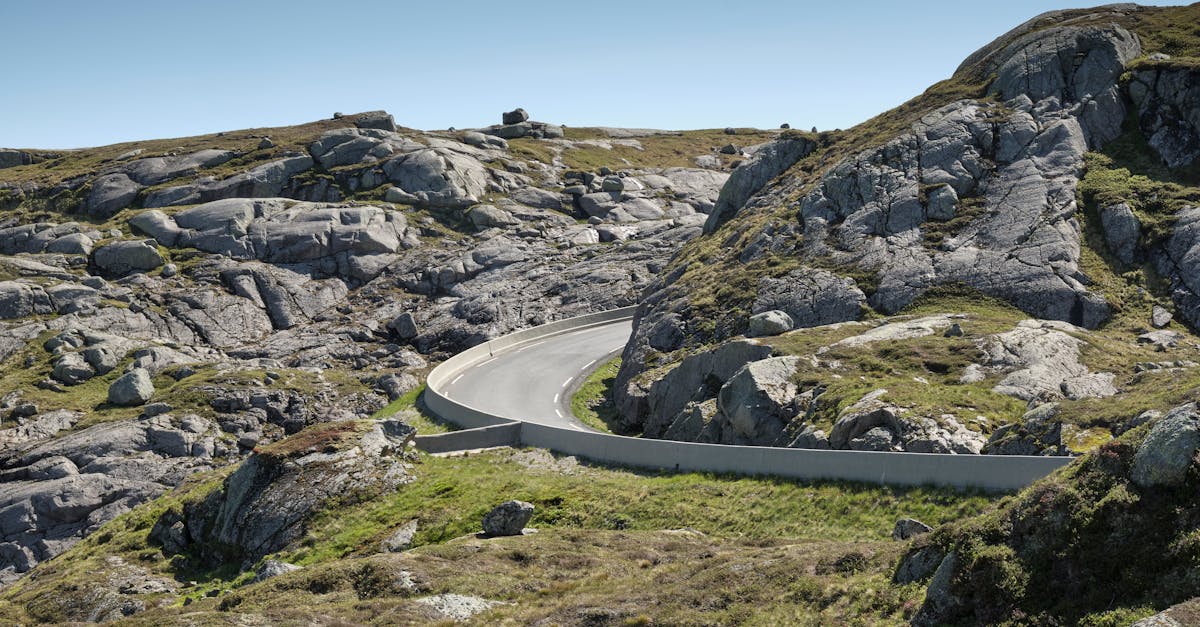
While the Autobahn is world-renowned for its speed limits and engineering, the true magic of a German road trip often unfolds on the designated scenic routes that branch off from these high-speed arteries. Known as "Deutsche Ferienstraßen," these curated paths weave through rolling vineyards in the Mosel Valley, past fairytale castles in Bavaria, and along the rugged cliffs of the North Sea coast. Unlike the concrete efficiency of the main highways, these roads invite you to slow down, offering panoramic overlooks where you can pause to photograph golden sunsets over the Black Forest or explore charming half-timbered villages that have remained unchanged for centuries.
Navigating these picturesque byways transforms your journey into an immersive cultural experience, connecting you with the diverse landscapes that define Germany's regional identities. Whether you are following the Romantic Road from Würzburg to Füssen, winding through medieval towns and alpine meadows, or driving the Wine Route through the Palatinate region, every turn reveals a new chapter of local history and tradition. These routes are meticulously maintained not just for traffic flow, but for tourism, featuring well-marked viewpoints, local signage explaining regional flora and fauna, and easy access to family-friendly attractions, ensuring that your drive is as enriching as it is breathtaking.
 This photo was taken by Barnabas Davoti on Pexels.