The Best Time of Year to Visit Germany
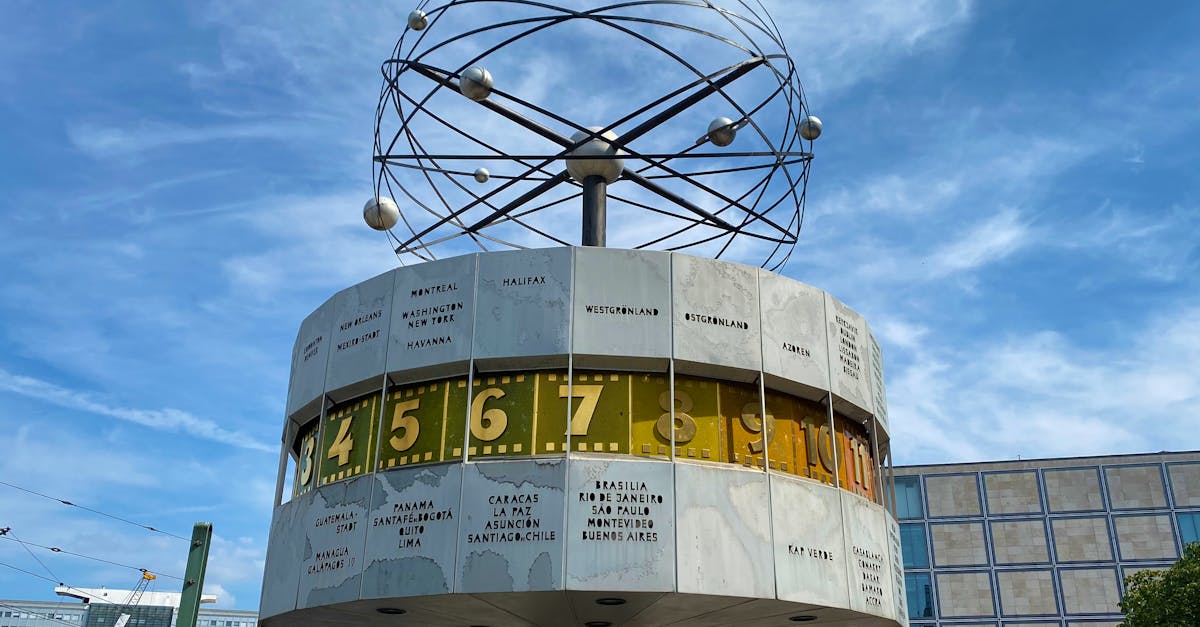 This photo was taken by Karina Badura on Pexels.
Guten Tag and welcome to the heart of Europe! Whether you are dreaming of wandering through fairytale forests, sipping crisp wine in sun-drenched vineyards, or getting lost in the enchanting glow of festive lights, Germany offers a unique experience for every season. But with such diverse landscapes and rich cultural tapestries, knowing when to visit can make all the difference in your journey. In this guide, we will explore the vibrant blossoms of spring, the lively energy of summer festivals, and the cozy charm of winter markets, helping you discover the perfect time to plan your unforgettable German adventure.
Spring Blooms and Easter Traditions
As the winter chill fades and the sun begins to linger longer in the sky, Germany transforms into a vibrant canvas of nature's awakening, making spring one of the most enchanting times to explore. From the cherry blossoms lining the banks of the Spree in Berlin to the daffodils carpeting the Black Forest valleys, the landscape bursts with color that invites leisurely walks and scenic hikes. This season offers the perfect balance of mild weather and fewer crowds compared to the summer peak, allowing visitors to fully immerse themselves in the blooming gardens of historic castles like Neuschwanstein or stroll through the meticulously manicured parks of Munich without the stifling heat.Intertwined with these natural wonders are the cherished Easter traditions that bring communities together across the country during this festive period. On Easter Sunday, families gather for lively egg hunts where decorated "Osterbäume" (Easter trees) stand as whimsical focal points in town squares, while children eagerly search for hidden chocolate eggs and sweets. In many regions, especially in Bavaria and Baden-Württemberg, you can witness the unique custom of the "Osterfeuer," massive bonfires lit on Easter Saturday to symbolize the end of winter, often accompanied by fireworks and local music. Whether you are enjoying a traditional Easter market filled with handcrafted ornaments or savoring a roasted lamb dinner with your host family, experiencing these customs provides a deep cultural connection to German heritage.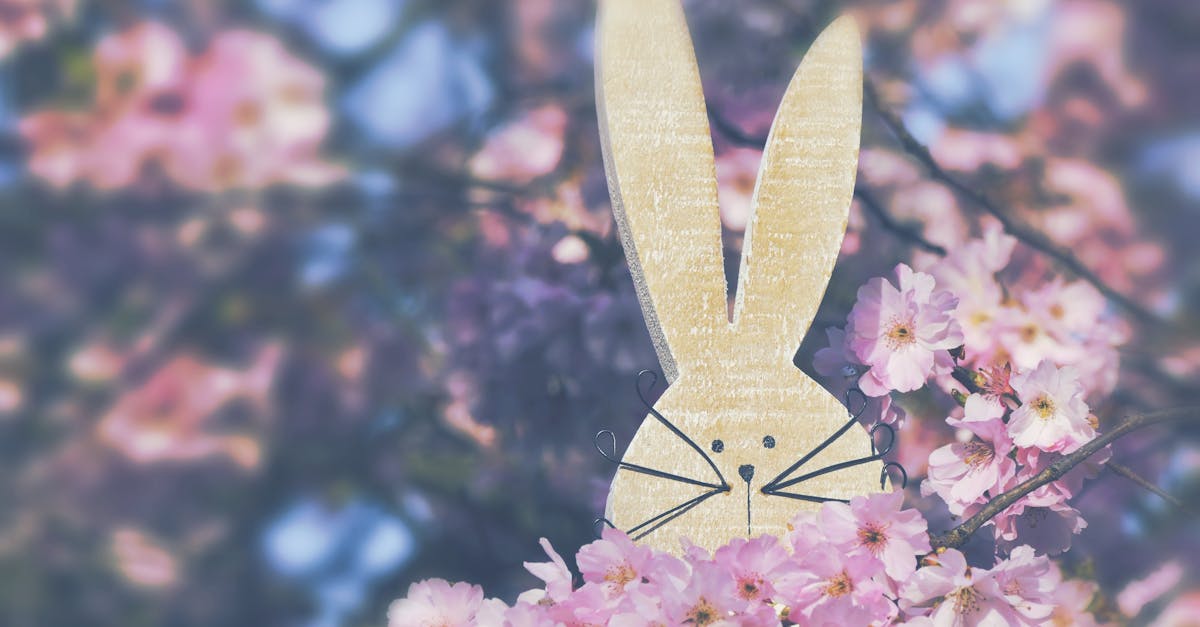 This photo was taken by Michaela St on Pexels.
Summer Festivals and Outdoor Adventures
When the sun finally breaks through the clouds, Germany transforms into a vibrant playground of festivals and open-air celebrations that define the summer spirit. From the world-renowned Berlin Festival of Lights, where historic landmarks are bathed in colorful projections, to the traditional beer gardens of Munich buzzing with locals singing along to folk music, the season offers an unparalleled cultural immersion. Families flock to the Rhine Valley for wine festivals, while music lovers descend upon cities like Hamburg and Cologne for massive open-air concerts that often last late into the night, creating an electric atmosphere that captures the essence of German hospitality.
Beyond the festivities, the warm weather invites travelers to explore Germany's breathtaking natural landscapes through a variety of outdoor adventures. Hikers can tackle the rugged peaks of the Bavarian Alps or meander along the scenic Danube Cycle Path, enjoying the lush greenery of the Black Forest as it reaches its full splendor. For those seeking water-based thrills, the countless lakes and rivers provide perfect spots for swimming, canoeing, and sailing, while the extensive network of well-marked trails makes cycling a delightful way to discover charming villages and vineyards. Whether you are climbing to a mountain hut for a panoramic view or simply picnicking by a tranquil lake, summer is the ideal time to connect with nature across the country.
 This photo was taken by Margo Evardson on Pexels.
Winter Magic and Christmas Markets
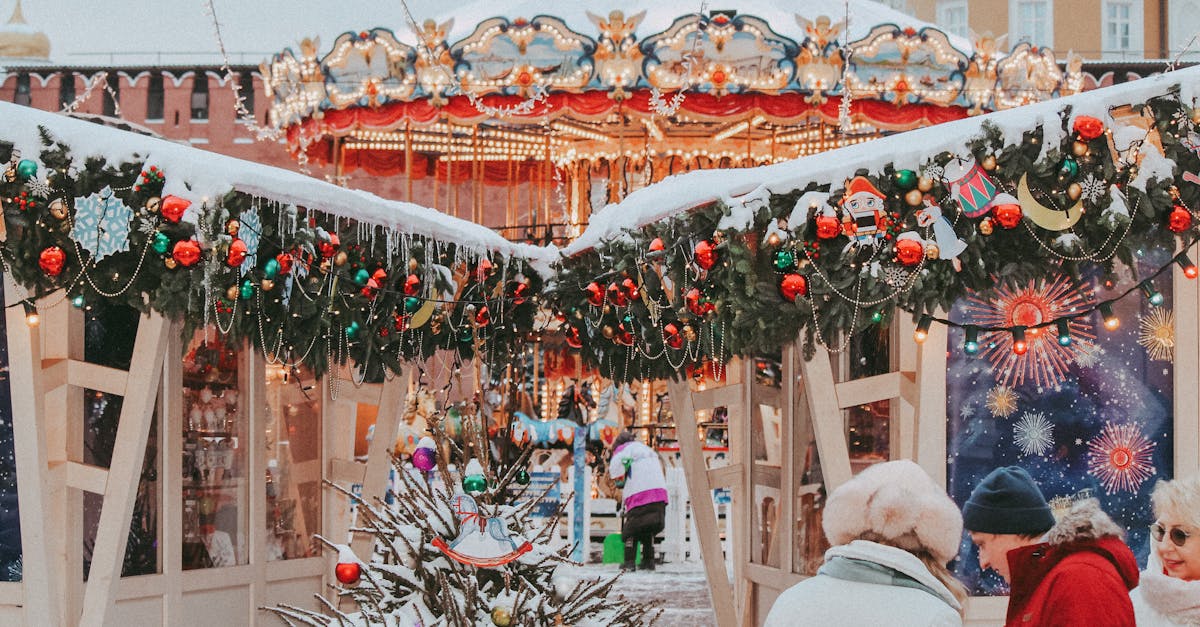
As the days grow shorter and the air turns crisp, Germany transforms into a winter wonderland that truly comes alive with the arrival of December. The country's most cherished tradition during this season is its enchanting array of Christmas markets, known as Weihnachtsmärkte, which have been delighting visitors for centuries. From the historic cobblestone squares of Nuremberg to the fairy-tale setting of Dresden's Striezelmarkt, these markets offer a sensory feast where you can sip on warm Glühwein, savor roasted almonds and gingerbread hearts, and browse handcrafted ornaments made by local artisans. The scent of cinnamon and pine fills the streets, creating an atmosphere of cozy warmth that perfectly captures the spirit of Gemütlichkeit, inviting travelers to slow down and immerse themselves in the festive cheer.
Beyond the bustling market stalls, winter offers a magical backdrop for exploring Germany's architectural beauty under a blanket of snow or ice. Imagine strolling through the illuminated Old Towns of Rothenburg ob der Tauber or the grand boulevards of Berlin, where Christmas lights reflect off frozen ponds and historic buildings glow against the twilight sky. For those seeking adventure, the snowy peaks of the Bavarian Alps provide excellent opportunities for skiing and snowshoeing, while the nearby towns host unique events like ice skating rinks set up in front of town halls. Whether you are watching a nativity play in a candlelit church or simply enjoying the quiet magic of a snow-covered forest, visiting Germany in winter ensures an unforgettable experience filled with timeless traditions and seasonal splendor.
 This photo was taken by Sveta K on Pexels.